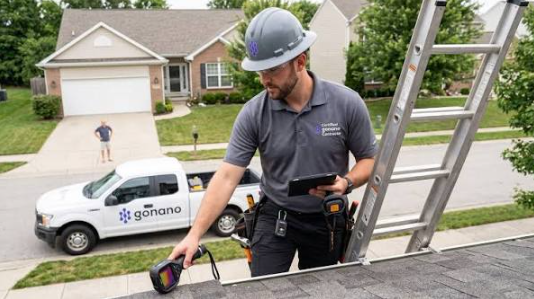
Hiring a roofing contractor is an important decision for any homeowner. Your roof protects your home from rain, wind, snow, and the changing weather conditions common throughout Southwest Ohio. When repairs or a full replacement become necessary, choosing the right contractor can make a significant difference in the quality, cost, and longevity of the work.
For homeowners comparing roofing companies in Hamilton, Ohio, asking the right questions is one of the best ways to identify experienced professionals, understand what you’re paying for, and avoid unnecessary complications.
Not every roofing company offers the same level of service, workmanship, or communication. Some specialize in residential roof replacements, while others focus on storm damage restoration, emergency repairs, or commercial roofing.
Before signing a contract, homeowners should take time to understand how a contractor operates and what protections are included in the project.
Here are 15 important questions to ask when evaluating roofing contractors in Hamilton and the surrounding Butler County communities.
1. How Long Have You Been Providing Roofing Services in Hamilton, Ohio?
Experience is an important consideration when choosing a roofing contractor.
A company that regularly works in Hamilton, Fairfield, West Chester, and nearby communities should understand the roofing challenges associated with Southwest Ohio’s climate.
Local roofs experience a combination of heavy rain, thunderstorms, strong winds, freezing temperatures, and seasonal temperature changes.
Ask prospective contractors how long they’ve worked in the area and what types of roofing projects they typically complete.
It’s also worth asking whether they’ve worked on homes similar to yours. Hamilton has a mix of older residential properties, traditional neighborhoods, and newer construction, each presenting different roofing considerations.
What to look for: A contractor who can discuss relevant local projects, explain common roofing problems, and provide examples of completed work.
See also: Regain Control of Your Life With Drug Addiction Treatment
2. Are You Properly Insured, and What Licensing Requirements Apply?
Before allowing a contractor to begin work, verify that the company carries appropriate insurance.
Roofing involves working at heights, handling heavy materials, and operating equipment around your property. Proper insurance helps protect homeowners when accidents or property damage occur.
Ask whether the company carries general liability insurance and workers’ compensation coverage as applicable.
Ohio does not have a universal statewide roofing contractor license for ordinary residential roofing work. However, local contractor registration, permit requirements, and other rules can apply.
Homeowners should verify current requirements with the City of Hamilton or the applicable building department.
Request documentation rather than relying entirely on verbal assurances.
What to look for: Current insurance certificates, compliance with applicable local requirements, and a contractor willing to explain how the homeowner is protected.
3. Can You Provide References From Recent Roofing Projects?
One of the most useful ways to evaluate a roofing company is to speak with homeowners who have already worked with them.
Ask for references from recent projects in Hamilton or surrounding communities.
When contacting references, ask about the contractor’s communication, punctuality, cleanliness, and overall workmanship.
It’s also helpful to learn how the company handled unexpected issues during the project.
Online reviews can provide additional perspective, but homeowners should look beyond the overall star rating.
Read detailed reviews that describe the actual experience, including whether the contractor completed the work as promised and responded to concerns after installation.
4. Will You Perform a Thorough Roof Inspection Before Providing an Estimate?
A reliable roofing recommendation should begin with an evaluation of the roof’s condition.
Before recommending repairs or replacement, a contractor should examine accessible roofing components and identify visible problems.
Depending on the roof and the concerns involved, an inspection can include:
- Missing, cracked, or deteriorating shingles
- Damaged flashing around chimneys and vents
- Signs of water intrusion
- Roof ventilation concerns
- Soft spots or damaged decking
- Storm-related damage
- Aging roofing materials
Homeowners should ask whether the contractor will provide photographs or documentation of identified problems.
A detailed inspection helps establish whether the roof needs a targeted repair, more extensive restoration, or complete replacement.
5. Do I Need Roof Repairs or a Complete Roof Replacement?
This is one of the most important questions homeowners should ask.
Not every roofing problem requires replacing the entire roof.
A relatively small area of damaged shingles, isolated flashing problems, or a localized leak can sometimes be addressed through professional repairs.
However, widespread deterioration, extensive storm damage, repeated leaks, or significant structural concerns can make replacement the more appropriate solution.
Ask the contractor to explain why they recommend one approach over another.
A trustworthy professional should be willing to discuss the condition of the existing roof, the expected benefits of each option, and the costs involved.
Homeowners should also ask whether a repair would provide a reasonable long-term solution or simply delay an unavoidable replacement.
6. What Roofing Materials Do You Recommend for My Home?
Roofing materials vary in durability, appearance, maintenance requirements, and cost.
Asphalt shingles remain a common choice for residential properties throughout Hamilton and Butler County. Metal roofing and other specialized systems are also available.
Ask the contractor which materials are appropriate for your home’s roof design, slope, and existing structure.
Discuss how different products perform during heavy rain, strong winds, snow, and changing temperatures.
A roofing company should explain the differences between available materials without automatically recommending the most expensive option.
It’s also important to understand whether the proposed system includes underlayment, ventilation components, flashing, and other materials necessary for proper installation.
7. Can You Provide a Detailed Written Roofing Estimate?
A written estimate is essential when comparing roofing companies in Hamilton, Ohio.
Homeowners should understand exactly what work is included before agreeing to a project.
A detailed estimate should identify the proposed scope of work, materials, labor, disposal costs, and other relevant expenses.
For roof replacements, ask whether the estimate includes removing existing materials, inspecting the roof decking, installing underlayment, replacing necessary flashing, and cleaning the property afterward.
It is particularly important to ask how unexpected damage will be handled.
For example, a contractor may discover deteriorated decking after removing old shingles.
Understanding how additional work is approved and priced helps prevent disputes.
What to look for: An itemized proposal that clearly explains the work being performed and identifies potential additional costs.
8. What Is Your Payment Schedule, and Are There Any Additional Fees?
Roofing costs depend on several factors, including roof size, complexity, material selection, labor requirements, and the condition of the existing structure.
When reviewing estimates, homeowners should ask how payments are structured.
Some contractors require a deposit, while others use progress payments or collect payment after completing agreed-upon milestones.
Ask whether the proposal includes delivery fees, disposal charges, permit expenses, and any other applicable costs.
Homeowners should also understand how changes to the original scope of work affect the final price.
Avoid signing agreements with unclear payment terms or paying the entire project cost upfront without appropriate protections.
A reputable roofing contractor should provide a written payment schedule that aligns with the contract.
9. Who Will Actually Be Performing the Roofing Work?
The person providing your estimate is not necessarily the person who will supervise the installation.
Some roofing companies use in-house crews, while others work with subcontractors.
Neither arrangement automatically determines the quality of the project. What matters is the company’s oversight, accountability, and workmanship standards.
Ask who will supervise the project, how experienced the installation crew is, and who homeowners should contact with questions.
It’s also worth asking whether the contractor has a process for inspecting completed work.
Clear responsibility helps prevent confusion and ensures homeowners know who is accountable throughout the project.
10. How Long Will the Roofing Project Take?
Project timelines are another important consideration.
A straightforward residential roof replacement can often be completed within a few working days, although larger or more complicated projects require additional time.
Weather, material availability, structural repairs, and scheduling can also affect completion.
Ask when the contractor expects to begin and how long the work should take under normal conditions.
Homeowners should also ask what happens if rain or severe weather interrupts installation.
For properties with existing leaks, understanding how the contractor will protect exposed areas during the project is especially important.
A realistic timeline should account for both the installation itself and the cleanup and final inspection.
11. What Warranties Come With the Roofing Work?
Roofing warranties generally fall into two categories: manufacturer warranties and workmanship warranties.
Manufacturer warranties address covered defects in roofing products, subject to their specific terms and exclusions.
Workmanship warranties address certain problems related to the contractor’s installation.
Homeowners should ask about both.
Find out how long each warranty lasts, what it covers, and what circumstances could void coverage.
Ask whether the workmanship warranty is provided in writing and who is responsible for addressing problems after the project is completed.
Understanding warranty terms before signing a contract is much easier than resolving confusion after a leak develops.
12. How Do You Handle Storm Damage and Insurance Claims?
Hamilton homeowners regularly deal with thunderstorms, high winds, and other weather events that can damage roofing systems.
If your roof was affected by a recent storm, ask whether the contractor has experience documenting storm-related damage.
A roofing company can help identify visible damage, provide photographs, prepare repair estimates, and explain the work necessary to restore the roof.
However, homeowners should understand that the insurance company determines coverage under the policy.
Contractors should not guarantee claim approval or promise that insurance will cover every expense.
Ask how the company coordinates its repair process with an insurance claim and whether it provides documentation that homeowners can share with their insurer.
Homeowners should also confirm their deductible responsibilities and avoid contractors who suggest misrepresenting damage or insurance costs.
13. How Will You Protect My Property During the Roofing Project?
Roofing work involves removing materials, moving equipment, and handling debris.
Without appropriate precautions, landscaping, driveways, siding, gutters, and outdoor belongings can be damaged.
Ask how the contractor protects surrounding areas before work begins.
Find out whether crews use protective coverings, establish designated material storage areas, and take precautions around vehicles and landscaping.
Cleanup is equally important.
Ask whether the company uses magnetic equipment to collect loose nails and how it handles old shingles and other debris.
Homeowners with children or pets should also discuss how the work area will be secured.
A well-organized job site reflects a contractor’s attention to safety and respect for the homeowner’s property.
14. Will You Handle Permits and Follow Applicable Building Codes?
Roofing work must comply with applicable building codes and local requirements.
Depending on the scope of work and the property’s location, permits or inspections may be necessary.
Ask the contractor whether the project requires a permit and who will be responsible for obtaining it.
For homes within Hamilton city limits, requirements should be confirmed with the appropriate local authority.
Properties in surrounding townships or municipalities can be subject to different administrative requirements.
Homeowners should also ask whether the contractor will arrange any required inspections.
Having these responsibilities documented in the contract helps prevent confusion and ensures the project follows the appropriate procedures.
15. What Happens If I Have a Problem After the Roof Is Completed?
A roofing company’s responsibility should be clearly defined beyond the installation date.
Even with careful workmanship, homeowners can have questions or discover concerns after a project is finished.
Ask how the company handles callbacks, warranty requests, and post-installation inspections.
Find out whom to contact if a leak appears or another issue requires attention.
It’s also helpful to ask about typical response procedures for urgent problems.
A dependable contractor should have an established process for reviewing concerns and determining whether repairs are covered under the workmanship warranty or another applicable agreement.
Clear post-project support provides homeowners with greater confidence in their investment.
How Should Hamilton Homeowners Compare Roofing Estimates?
After speaking with several contractors, homeowners should evaluate more than the final price.
Two estimates with similar totals can include substantially different materials, installation methods, warranties, and services.
Use the following comparison when reviewing proposals.
| Factor | What to Compare |
| Scope of work | Repairs, replacement, flashing, decking, and ventilation |
| Roofing materials | Manufacturer, product specifications, and system components |
| Pricing | Labor, materials, disposal, permits, and possible additional charges |
| Insurance | Current liability and applicable workers’ compensation coverage |
| Project timeline | Start date, expected duration, and weather contingencies |
| Warranty | Manufacturer coverage and workmanship protections |
| Communication | Project supervisor, updates, and customer support |
| Cleanup | Debris removal, nail collection, and property protection |
The lowest estimate is not always the best value.
A more complete proposal can reduce uncertainty and help homeowners understand exactly what they are purchasing.
The objective is to select a roofing company that offers appropriate materials, dependable workmanship, transparent pricing, and clear accountability.
What Are the Warning Signs of an Unreliable Roofing Contractor?
While comparing roofing companies in Hamilton, homeowners should pay attention to how each contractor communicates and conducts business.
Certain warning signs deserve additional scrutiny.
These include contractors who refuse to provide written estimates, cannot verify insurance coverage, pressure homeowners into signing immediately, or offer unusually vague warranty terms.
Homeowners should also be cautious of contractors who insist that every roof needs replacement without providing a reasonable explanation.
After major storms, be especially careful with unsolicited offers that promise immediate insurance approval or claim to eliminate a homeowner’s deductible.
A reputable contractor should be comfortable answering questions and allowing homeowners reasonable time to review an agreement.
Professionalism during the estimate process is an important indicator of how the company manages its projects.
Why Does Local Roofing Experience Matter in Hamilton, Ohio?
Hamilton’s combination of older homes, established neighborhoods, and newer residential developments creates a range of roofing needs.
Some properties have steep roof pitches, multiple roof sections, or aging flashing systems. Others have newer asphalt shingle installations that require targeted repairs following storms.
Southwest Ohio weather also places demands on roofing materials.
Heavy rain can expose weaknesses around flashing and penetrations. Strong winds can loosen shingles, while winter freezing and thawing can contribute to moisture-related problems.
Roofing contractors familiar with Hamilton, Fairfield, Liberty Township, and West Chester should understand these regional considerations.
Local experience is particularly valuable when evaluating ventilation, drainage, material selection, and existing roofing conditions.
Homeowners benefit from choosing a contractor who understands both the technical requirements of the roof and the environmental conditions it must withstand.
Frequently Asked Questions About Hiring Roofing Companies in Hamilton, Ohio
How many roofing estimates should I get before hiring a contractor?
Getting two or three written estimates is a practical starting point for most homeowners. Multiple proposals make it easier to compare pricing, materials, warranties, and the recommended scope of work.
Should I choose the cheapest roofing company?
Price should be considered alongside experience, insurance, materials, workmanship, and warranty coverage. A lower estimate that excludes important work can become more expensive once additional repairs are required.
How do I verify whether a roofing contractor is reputable?
Check current insurance documentation, applicable local registration requirements, recent customer reviews, references, and examples of completed projects. Ask for a detailed written contract and review the warranty terms.
Can a roofing contractor help with storm damage insurance claims?
Yes. Roofing contractors can inspect damage, document their findings, and prepare repair estimates. Insurance coverage and claim approval remain the responsibility of the insurer under the homeowner’s policy.
Is it better to hire a local Hamilton roofing company?
A local contractor offers practical advantages, including familiarity with regional weather, nearby project experience, and accessibility for inspections or follow-up service. However, homeowners should still verify qualifications and compare proposals.
What should be included in a roofing contract?
A roofing contract should identify the scope of work, materials, total price, payment schedule, estimated timeline, warranty provisions, cleanup responsibilities, and procedures for approving additional work.
When is the best time to schedule a roof inspection in Hamilton?
Homeowners should schedule inspections when they notice leaks, missing shingles, damaged flashing, or other signs of deterioration. An inspection after a significant storm is also appropriate when there is reason to suspect damage.
Final Thoughts: Choosing the Right Roofing Company in Hamilton, Ohio
Finding a dependable roofing contractor requires more than comparing prices or reading a handful of online reviews.
Homeowners should take time to understand a company’s experience, insurance coverage, inspection process, materials, warranties, and approach to customer service.
Asking these 15 questions helps establish clear expectations before work begins and reduces the risk of unexpected expenses or misunderstandings.
Whether your Hamilton home needs a minor roof repair, storm damage restoration, or a complete roof replacement, the right contractor should provide straightforward answers and a clear plan for protecting your property.
A well-informed hiring decision is one of the most important steps toward a roof that performs reliably for years to come.