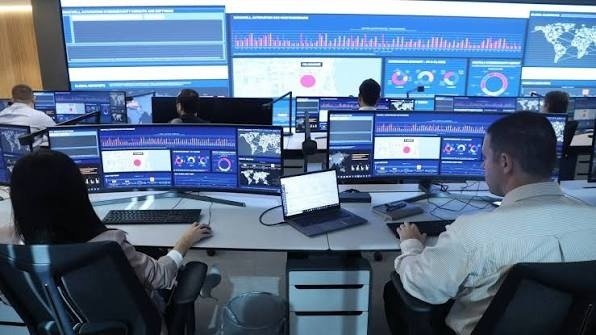
Modern security operations rely on more technology than ever before. Businesses, residential communities, warehouses, retail facilities, and other properties may use alarms, surveillance cameras, access-control systems, sensors, communication tools, and monitoring software to protect people and assets. While each technology can provide valuable information, managing disconnected systems can make security operations unnecessarily complicated.
System integration offers a solution by allowing different security technologies to communicate and work together. Instead of treating every device as a separate source of information, organizations can create a more coordinated security environment where alerts, data, and workflows are easier to manage.
Understanding Security System Integration
Security system integration involves connecting different technologies so they can exchange information or support shared workflows.
For example, an intrusion alarm could trigger an automated event in a monitoring system while simultaneously making relevant camera footage available to an authorized operator.
The goal is to create a more complete understanding of security events while reducing the need to manage multiple disconnected interfaces.
See also: Blake Huegel: How Technology Is Reshaping Elderly Care
Why Integration Matters
A security operation can become inefficient when information is spread across different platforms.
An operator may need to switch between separate applications to check an alarm, view video, identify a property, review access records, and document an incident.
Integrated systems can bring relevant information together, helping operators work more efficiently and make better-informed decisions.
Connecting Alarms With Video
One of the most useful forms of integration connects alarm systems with video surveillance.
When an alarm is triggered, associated cameras may provide visual information about what is happening at the location.
This can help authorized personnel assess whether an alert appears to represent a genuine security concern or another type of event.
Video can provide important context that an alarm signal alone cannot offer.
Improving Alarm Verification
Alarm verification is an important part of effective monitoring.
Not every alert represents an actual intrusion or emergency. Equipment issues, environmental conditions, or authorized activity can sometimes trigger alarms.
An integrated system can provide operators with additional information that helps them evaluate events more efficiently.
This can reduce unnecessary responses while helping legitimate incidents receive appropriate attention.
Centralizing Security Information
A centralized approach can make security data easier to access.
Instead of maintaining isolated records across multiple systems, organizations can use integrated platforms to organize information around properties, accounts, devices, and events.
Centralization can also simplify reporting and make it easier for managers to review security activity across multiple locations.
Supporting Faster Response
Time can be critical during a security event.
When operators have to search through several systems to find relevant information, valuable time may be lost.
Integration can streamline workflows by presenting important information within the same operational environment.
For example, an alarm event might display the property location, account details, relevant contact information, and associated security information in one workflow.
Reducing Manual Work
Manual data entry is another source of inefficiency.
When information must be copied between different applications, employees may spend significant time performing repetitive administrative tasks. Manual processes can also introduce errors.
Integrated systems can automate appropriate information exchanges, reducing duplication and allowing security professionals to focus on more important responsibilities.
Using an Alarm Monitoring Integration Platform
Organizations managing complex monitoring operations can benefit from technology designed specifically to connect different security systems.
An alarm monitoring integration platform can help coordinate alarm signals, video systems, access controls, communication tools, and monitoring workflows where compatible integrations are available.
By bringing these technologies into a more unified environment, such platforms can help monitoring teams manage information more efficiently while supporting consistent response procedures.
Improving Multi-Site Security Management
Businesses with multiple locations face additional challenges.
A company may operate offices, stores, warehouses, or facilities across different regions. Managing each site’s security systems independently can make it difficult to maintain consistent standards.
Integration can provide a centralized operational framework while still allowing individual properties to maintain their own security configurations. For organizations handling security information across multiple locations, cloud data pipeline consulting can also help design reliable ways to collect, organize, and move operational data between connected systems.
This makes it easier for security managers to oversee multiple locations and identify unusual activity or recurring problems.
Supporting Access Control
Access-control systems provide information about who is entering or leaving a facility.
When access data is connected with other security technologies, it can provide additional context during an event.
For example, an alarm triggered shortly after an authorized access event may require a different response from an alarm occurring when no authorized personnel are expected to be present.
Combining information sources can therefore help create a clearer picture of what happened.
Making Better Use of Security Cameras
Security cameras generate large amounts of information, but reviewing footage manually can be time-consuming.
Integrated systems can help operators connect camera information with specific alarms or events, making it easier to locate relevant footage.
This can be especially valuable when operators need to assess an incident quickly.
Creating Standardized Workflows
Integration also supports standardized security procedures.
Organizations can establish workflows for different event types. For example, an intrusion alarm might follow one process, while an environmental alert could follow another.
Standardized workflows help ensure that operators have clear procedures to follow and reduce the risk of important steps being overlooked.
Improving Reporting and Documentation
Security operations generate valuable operational records.
Integrated systems can help organize information about alarms, responses, notifications, and other events.
Accurate records can support incident reviews, management reporting, system maintenance, and long-term security planning.
Organizations can use historical data to identify recurring issues and determine where improvements may be necessary.
Supporting Scalability
A security system should be capable of adapting as an organization grows.
Adding new properties, cameras, alarms, or access-control devices can become increasingly difficult when systems are completely disconnected.
An integration-focused approach can make it easier to expand operations while maintaining consistent workflows.
Scalability is particularly important for monitoring centers and businesses managing large numbers of security devices.
Integration Can Improve Operational Efficiency
The main benefit of integration is not simply having more technology. It is making existing technology work together more effectively.
When information flows between systems, employees can spend less time switching between applications and more time analyzing events and making decisions.
This can improve productivity while reducing unnecessary administrative work.
Security and Privacy Considerations
Integration also introduces responsibilities around cybersecurity and data protection.
Connected systems may exchange sensitive information, including security events, video footage, access records, and customer details.
Organizations should use appropriate authentication, access controls, encryption, software updates, and monitoring practices to protect integrated environments.
Only authorized personnel should have access to sensitive security information.
Human Expertise Remains Important
Technology can make security operations more efficient, but it does not eliminate the need for trained professionals.
Human operators provide context, judgment, communication, and decision-making capabilities that automated systems cannot always reproduce.
The most effective security environments combine technology with experienced personnel who understand how to interpret information and respond appropriately.
Planning an Integration Strategy
Before integrating multiple security systems, organizations should evaluate their existing infrastructure and operational requirements.
Important considerations include:
- Current security technologies
- Compatibility between systems
- Data-sharing requirements
- Workflow objectives
- Scalability
- Cybersecurity controls
- Staff training
- Maintenance requirements
A carefully planned integration strategy is more likely to produce meaningful operational improvements than simply connecting technologies without a clear objective.
Conclusion
Better system integration can transform security operations by connecting alarms, cameras, access controls, monitoring tools, and other technologies into a more coordinated environment. By centralizing information and reducing manual processes, integration can help organizations improve response times, streamline workflows, and make better use of existing security investments.
The most effective approach combines integrated technology with standardized procedures, strong cybersecurity practices, and trained human oversight. As security environments become increasingly connected, organizations that focus on interoperability and intelligent workflows can build more efficient and responsive operations while remaining prepared for future technological changes.