Key Takeaways
- Dental implants need consistent home care and professional checkups.
- Bleeding, swelling, odor, a bad taste, pain, or gum changes should be evaluated.
- A loose crown or bridge does not always mean the implant itself is loose.
- Facial swelling, fever, pus, trouble swallowing, or breathing difficulty can require urgent care.
- Early attention may help limit damage to the gums and bone around an implant.
- Smoking, past gum disease, diabetes, and teeth grinding can raise complication risks.
Why Warning Signs Matter
Dental implants can look, feel, and function much like natural teeth, but the gum and bone supporting them still need attention. Changes may begin quietly, without major pain. Knowing when to seek failing dental implant treatment can help a dentist identify inflammation, infection, or a mechanical concern before it becomes more complex.
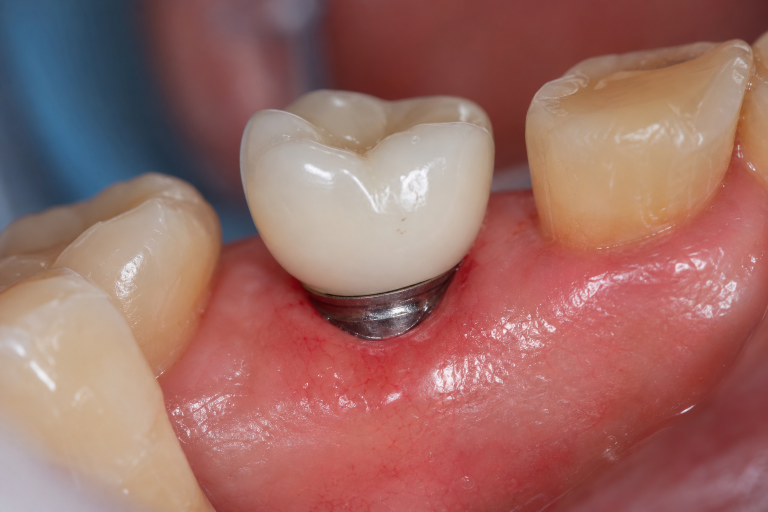
Inflammation around an implant can start in the soft tissue and may progress to involve the bone if left untreated. The warning signs described in guidance about dental implants and peri-implant diseases include bleeding gums, swelling, bad breath or taste, and loosening of an implant-supported restoration. These symptoms do not automatically mean an implant has failed, but they do justify a professional evaluation.
Normal Healing Versus Concerning Changes
Mild soreness, tenderness, and some swelling can be expected shortly after implant surgery or related treatment. Those symptoms should gradually improve as healing progresses. Swelling that increases, pain that worsens, or bleeding that continues warrants a call to the dental office.
New symptoms months or years after a comfortable implant restoration are also important to note. A bite that suddenly feels uneven, pain during chewing, or a crown that feels different should not be ignored. An online description cannot determine whether the issue involves the crown, abutment, screw, gum tissue, bone, or implant itself. An examination and imaging may be needed to find the cause.
Early Warning Signs Around An Implant
Schedule a dental appointment if you notice a persistent change around an implant, especially if it lasts more than a few days or keeps returning. Common early signs include:
- Red, darkened, puffy, or tender gums near the implant.
- Bleeding while brushing, flossing, or using an interdental cleaner.
- A recurring bad taste, odor, or discharge from one area.
- Tenderness or discomfort when chewing.
- Food repeatedly becomes trapped around the crown or bridge.
- Gum tissue that appears to be pulling away or shrinking.
- A crown, bridge, or denture that feels loose, high, or unstable.
Early gum inflammation may be more manageable than advanced disease involving bone loss. Prompt care is not about assuming the worst. It is about finding out what has changed and choosing the appropriate response.
Symptoms That May Need Urgent Care
Contact A Dental Office Promptly
Call promptly for increasing pain, persistent swelling, pus, bleeding that does not settle, or a restoration that feels mobile. A loose crown may sometimes be a repairable restoration issue, but an implant that feels loose needs timely assessment.
Seek Same-Day Help When Infection May Be Spreading
Same-day dental or medical care may be appropriate for facial swelling, fever, chills, swollen neck glands, or increasing difficulty opening the mouth. Do not wait for severe pain. Implants do not have the same nerve structure as natural teeth, so significant tissue changes may not always result in a strong toothache.
Seek Emergency Care For Breathing Or Swallowing Problems
Rapidly spreading facial or neck swelling, trouble breathing, trouble swallowing, or signs of severe illness require emergency medical attention.
Common Reasons Implant Problems Develop
Implant complications can have more than one cause, and they are not always the result of poor care. Plaque can build up in hard-to-clean areas around crowns and bridges. A history of periodontal disease, smoking, poorly controlled diabetes, certain medications, and reduced immune function can affect healing or infection control.
Mechanical stress matters, too. Teeth grinding or clenching can place repeated force on a crown, connector, or implant-supported bridge. A loose screw, a chipped crown, a bite imbalance, or an injury to the mouth can also affect how the restoration functions. A dentist can help separate biological concerns from mechanical ones.
What A Dentist May Check
An implant evaluation often includes a review of medical conditions, medications, smoking, and grinding habits. The dentist may inspect gum color, swelling, bleeding, tenderness, recession, and the ability to clean around the restoration. They may also check the bite and test the stability of the crown, bridge, abutment, and implant.
Dental X-rays or other imaging can help assess bone levels and supporting structures. Treatment depends on the findings. It may include improved home cleaning, professional maintenance, restoration and repair, bite adjustment, medication when appropriate, or periodontal and implant-focused treatment.
Daily Habits That Support Implant Health
Daily care helps protect both natural teeth and implant-supported restorations. General oral-care recommendations include brushing twice daily with a soft-bristled toothbrush, cleaning between teeth once a day, and keeping routine dental visits. Practical steps for caring for teeth and gums also emphasize avoiding tobacco and informing a dentist about any health conditions or medications that affect oral health.
- Use the brush, floss, interdental brush, or water flosser recommended for your restoration.
- Clean carefully beneath bridges and around implant crowns where plaque can collect.
- Wear a night guard if a dentist recommends one for grinding or clenching.
- Avoid smoking and ask a healthcare professional about quitting support.
- Report bleeding, swelling, odor, pain, or movement early.
Questions To Ask At An Implant Evaluation
- Is the concern affecting the crown, connector, gum, bone, or implant?
- Do the findings suggest inflammation, infection, mechanical stress, or trauma?
- Is imaging needed to assess the supporting bone?
- Can the implant and restoration remain in place?
- What could happen if treatment is delayed?
- How often should professional maintenance be scheduled?
- Which cleaning tools are best for this specific restoration?
Final Thoughts
An implant problem does not always mean the entire restoration has failed. Still, persistent or worsening changes should be checked rather than watched indefinitely. A timely examination can clarify the cause and help protect the gums and bone that support the implant.
This article is for general education and does not replace a dental examination, diagnosis, or individualized treatment plan.