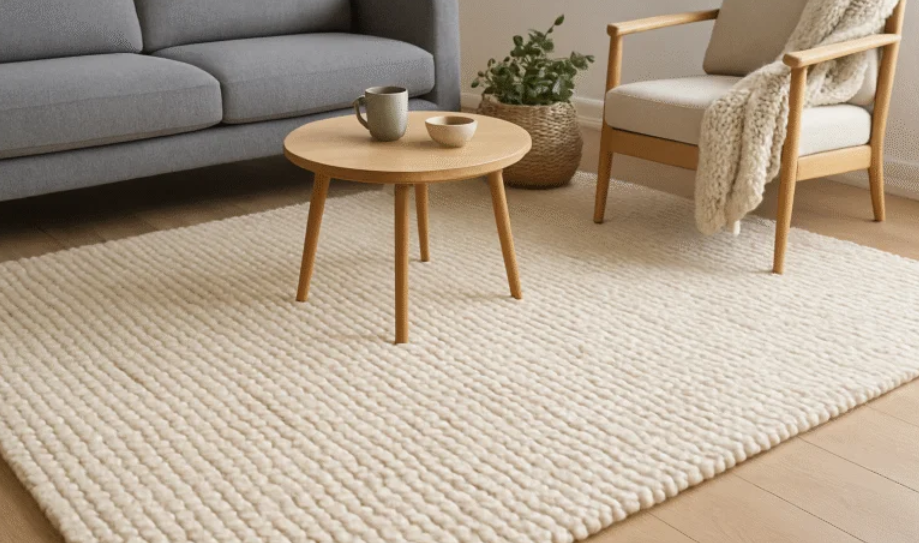
Wollmatten, or wool mats, are gaining global attention as a versatile, eco-friendly material used across industries such as construction, interior design, agriculture, and wellness. Made primarily from natural sheep’s wool, wollmatten are valued for their insulating properties, durability, moisture regulation, and sustainability. As consumers and businesses increasingly move toward natural and renewable materials, wollmatten have become a practical and environmentally responsible choice.
This article explores what wollmatten are, how they are made, their benefits, applications, and why they are becoming an essential material in modern sustainable living.
What Are Wollmatten?
Wollmatten are mats or sheets produced from natural wool fibers, typically sheep’s wool. The wool is cleaned, processed, and felted or bonded into dense mats that can be used for insulation, padding, protection, or comfort. Depending on the manufacturing process, wollmatten can vary in thickness, density, and softness, making them suitable for a wide range of uses.
Unlike synthetic mats made from plastic or foam, wollmatten rely on renewable raw materials and minimal chemical processing. This natural composition gives them unique functional advantages while reducing environmental impact.
How Wollmatten Are Made
The production of wollmatten generally follows these steps:
- Wool Collection
Wool is sheared from sheep, usually as part of routine animal care. High-quality wool fibers are selected for mat production. - Cleaning and Washing
Raw wool contains lanolin, dirt, and plant residues. It is thoroughly washed to remove impurities while preserving its natural structure. - Carding and Felting
The cleaned fibers are carded to align them, then felted or compressed using heat, moisture, and pressure. This process binds the fibers together without synthetic adhesives. - Shaping and Finishing
The felted wool is shaped into mats of specific sizes and thicknesses. Some wollmatten may be treated for added durability or fire resistance using natural or low-impact methods.
Key Benefits of Wollmatten
1. Excellent Thermal Insulation
One of the most important advantages of wollmatten is their natural insulating ability. Wool fibers trap air within their structure, reducing heat transfer. This makes wollmatten ideal for maintaining stable indoor temperatures in both hot and cold climates.
2. Natural Moisture Regulation
Wollmatten can absorb and release moisture without feeling wet. Wool can hold up to 30% of its weight in moisture, helping regulate humidity levels and prevent condensation or mold formation.
3. Eco-Friendly and Sustainable
Wool is a renewable, biodegradable material. At the end of its life cycle, wollmatten decompose naturally, unlike synthetic insulation or mats that contribute to long-term waste.
4. Fire Resistance
Wool is naturally flame-resistant. It has a high ignition temperature and tends to self-extinguish rather than spread flames, making wollmatten a safer option for insulation and interior use.
5. Sound Absorption
The dense fiber structure of wollmatten helps absorb sound, reducing noise levels. This makes them useful in residential, commercial, and industrial environments where acoustic comfort is important.
6. Durability and Longevity
High-quality wollmatten maintain their structure and performance over many years. Wool fibers are elastic and resilient, allowing mats to recover their shape even after compression.
See also: Can You Contest a Will After Probate in Queensland
Common Uses of Wollmatten
Wollmatten in Building and Construction
In the construction industry, wollmatten are widely used as natural insulation for walls, roofs, and floors. They provide thermal and acoustic insulation while allowing buildings to “breathe,” reducing the risk of moisture damage.
Wollmatten for Interior Design
Wollmatten are used under carpets, rugs, and wooden flooring to add comfort, warmth, and sound insulation. They are also popular in eco-friendly homes that prioritize natural materials.
Wollmatten in Agriculture and Gardening
In gardening, wollmatten are used as protective ground covers or plant insulation. They help retain soil moisture, protect roots from temperature extremes, and naturally suppress weeds.
Wollmatten for Furniture and Bedding
Wool mats are used as mattress toppers, seat cushions, and furniture padding. Their breathability and temperature-regulating properties enhance comfort while remaining hypoallergenic.
Wollmatten in Packaging and Protection
Some industries use wollmatten for protective packaging of delicate or valuable items. Wool’s shock-absorbing qualities and natural resistance to static make it an effective alternative to plastic packaging.
Wollmatten vs. Synthetic Mats
When compared to synthetic alternatives, wollmatten offer several clear advantages:
- Healthier Indoor Air Quality – Wool does not release harmful VOCs (volatile organic compounds).
- Better Moisture Control – Synthetic mats often trap moisture, while wool regulates it.
- Lower Environmental Impact – Wollmatten are biodegradable and renewable.
- Natural Performance – Insulation, fire resistance, and sound absorption occur naturally without heavy chemical treatment.
While synthetic mats may be cheaper initially, wollmatten often provide better long-term value due to durability and performance.
Maintenance and Care of Wollmatten
Wollmatten are relatively easy to maintain. Regular airing helps refresh the fibers, and light vacuuming removes dust. In most applications, they do not require frequent washing. If cleaning is necessary, gentle methods and wool-safe products should be used to preserve the fibers.
Thanks to wool’s natural resistance to dirt and odors, wollmatten stay fresh longer than many synthetic materials.
The Growing Demand for Wollmatten
As sustainability becomes a global priority, the demand for natural materials like wollmatten continues to rise. Architects, homeowners, and businesses are increasingly choosing wool-based products to reduce environmental impact without compromising performance.
Government incentives for eco-friendly construction and growing consumer awareness about plastic waste have further accelerated the adoption of wollmatten across multiple sectors.
Conclusion
Wollmatten represent a perfect balance between tradition and modern sustainability. Their natural insulating properties, moisture regulation, durability, and environmental benefits make them an excellent alternative to synthetic mats and insulation materials.
Whether used in construction, interior design, agriculture, or everyday comfort applications, wollmatten offer a reliable, eco-friendly solution that supports healthier living and a more sustainable future. As awareness grows, wollmatten are set to play an increasingly important role in natural building and sustainable material choices worldwide.