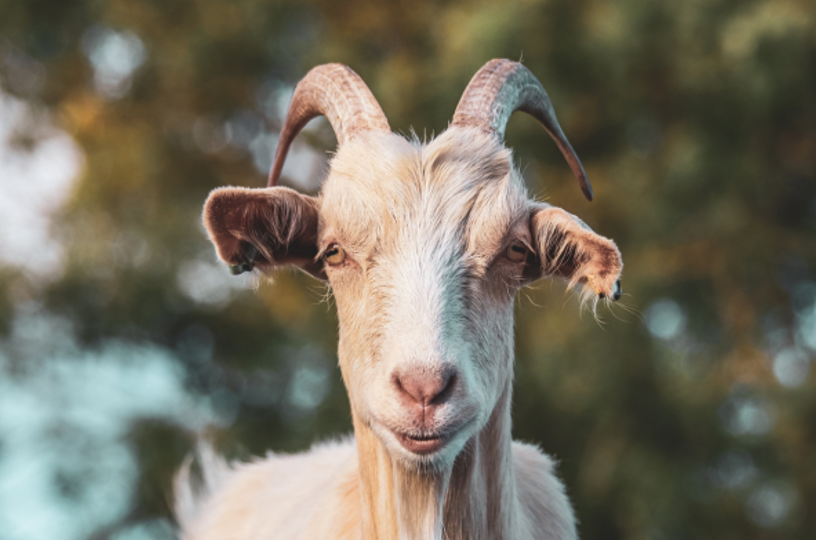
Limping in goats often raises immediate concern among livestock owners. Due to the inherent nature of goats being nimble and energetic animals, when there is a significant change in their movement, then it can be an indication that something is not right. Though one of the possible causes is joint problems, not all the limping is directly associated with joint problems. Knowing the potential causes can help farmers respond appropriately and maintain overall herd health.
Common Causes of Limping in Goats
The cause of limping in goats is not always joint-related, but it is often related to the problem of the hoof. Excessive growth of hooves, rotting of hooves, abscess, or tiny stones trapped in the hoof may change the manner in which the goat transfers weight. Even the slightest imbalance in the shape of the hooves can alter the posture and gait.
Environmental conditions are also of great importance. Floods and muddy ground, as well as rugged land, can predispose to the development of irritation or injury in the hooves. Goats that use tough or jagged terrain can have momentary strain, which comes in the form of limping.
Another common cause is injuries. Goats can often jump, climb, and interact with mates in the herd. A slip, a clumsy landing, or some minor collision may lead to straining of the soft tissues. Limping in such cases can be cured when the afflicted part has time to heal.
When Joint Trouble May Be a Factor
Though limping does not necessarily occur in connection with joints, there may be joint-related problems. It may be the normal structural changes of cartilage and connective tissue of aging goats. Heavy breeds and breeding males that gain extra weight can subject their joints to stress, more so in the long run.
The presence of limping with stiffness following rest, swelling around a joint, or unwillingness to move may be suspected of joint involvement. Goats having issues with their joints may not demonstrate any interest in climbing or jumping, which is their daily routine behavior.
Nevertheless, joint bothering should not be presumed without assessment. Similar signs can be achieved through tendons, ligaments, and even muscle strain. A veterinarian is able to give a proper examination to ascertain whether the joints are a cause of the limp.
The Role of Nutrition in Joint Health
Eating is a significant aspect of musculoskeletal integrity in goats. Normal structural functioning is associated with sufficient protein, mineral, and connective tissue building nutrients. Others who own livestock are known to incorporate a goat joint supplement in a balanced feeding program.
Collagen or glucosamine or some other substances found in connective tissues are often the ingredients of a goat joint supplement. These formulations are generally meant to supplement general nutrition and not to substitute the ushering of the proper herd management.
To support farmers investigating the helpful feeding strategies, such products as OptiWize 10-N-1 livestock supplements can become a part of a more comprehensive livestock nutrition system. Just like in any dietary supplement, it is advisable to talk to a veterinarian or livestock nutritionist to make sure that the supplement is appropriate to the needs of the herd.
Importance of Regular Hoof Care
Hoof-related problems are one of the most prevalent reasons for limping, and thus, it is necessary to trim the hooves regularly. The hooves of goats keep growing and need constant care so that they are not overgrown and uneven.
The early detection of cracks, soft spots, or infection can be done through regular inspection. Keeping the living environment clean and dry also minimizes exposure to bacteria that may destroy the integrity of the hoof.
Hoof care can also be promoted with the proper management of pasture and drainage. With the movement of goats that is comfortable and even, the pressure in the joints and support structures is decreased.
When to Seek Veterinary Advice
Although mild limping can be alleviated by simple modifications of the care, chronic or acute limping needs to be reviewed by a specialist. Veterinary examination is especially needed in case you observe:
- Swelling or warmth around a joint
- Refusal to bear weight
- Open wounds or discharge
- Fever or changes in appetite
- Limping that lasts more than a few days
Early examination can help in determining whether it was due to infection, trauma, hoof imbalance, or even joint involvement. Early intervention helps in enhancing good long-term mobility and minimizes the chance of secondary complications.
See also: What Does SHTF Really Mean and Why It Matters
Supporting Long Term Mobility in Goats
Mobility in goats needs to be an all-inclusive measure. Structural well-being is promoted by a balanced diet, regular trimming of the hooves, proper housekeeping, and a regular check-up.
In others, the feeding program can involve the addition of goat joint supplement to the diet. This kind of supplementation can be considered as one of the components of a more comprehensive strategy that involves environmental control and control of body conditions.
It is also necessary to monitor weight. Obesity has the potential to cause a greater mechanical load on the joints and hooves. The natural movement patterns and overall comfort are facilitated by ensuring goats are in the right body condition.
Final thoughts
Limping is not necessarily an indication of trouble of the joints in goats. Although there are some instances where joints may be involved, the causes of the problems with the hoof, the environment, minor injuries, and nutrition are frequent. Close monitoring and on-time veterinary advice would be necessary to establish the underlying problem.
A goat joint supplement can be part of a healthy feeding program in livestock owners trying to enhance the structural health of their livestock as a part of regular herd management. One of the products that may be included is the OptiWize 10-N-1 livestock supplements, besides the correct attention of the hoof, clean living conditions, and frequent health assessments. An active and holistic strategy offers the best baseline towards ensuring mobility and health among goats in later life.