There’s a reason a barefoot walk on the beach feels so calming. Something about direct contact with the Earth—cool grass underfoot, damp sand between your toes—shifts something inside you. That feeling has a name: grounding, or earthing. And while modern life keeps most of us insulated from the Earth’s surface, grounding products are making it easier to reconnect.
What Is Grounding, Exactly?
Grounding is the practice of physically connecting with the Earth’s surface to absorb its natural electrical charge. Humans have been doing this instinctively for thousands of years—long before rubber-soled shoes and insulated flooring cut us off from direct contact.
The Earth carries a mild negative electrical charge. When you make direct contact with it, free electrons transfer into your body, helping neutralize positively charged free radicals that contribute to inflammation and oxidative stress. Modern living makes this connection rare. Most of us spend our days on elevated floors, wearing insulating footwear, never truly touching the ground. Grounding products are designed to bridge this gap.
The Science Behind the Calm
Research published in the Journal of Inflammation Research found that grounding the human body reduced markers of inflammation and improved sleep, pain, and stress. The mechanism is straightforward: when your body absorbs free electrons, it supports electrical balance at the cellular level, creating a more stable internal environment.
This electrical stability has a ripple effect. Your nervous system calms down. Your heart rate variability improves. Your body spends less energy in a state of alert, and more time doing what it does best—repairing, restoring, and recovering.
Stress Relief and Cortisol Regulation
Chronic stress keeps your body stuck in “fight or flight” mode, flooding your system with cortisol. Over time, elevated cortisol disrupts sleep, weakens immunity, and contributes to anxiety. Grounding interrupts this cycle.
A small but notable study found that grounding during sleep normalized participants’ cortisol profiles, bringing their levels closer to a healthy 24-hour rhythm. The body’s shift from sympathetic (fight or flight) to parasympathetic (rest and digest) activity is one of the most reported benefits among regular users of grounding products. Think of it as a reset button for your nervous system.
Better Sleep, Less Tension
Sleep is where recovery happens—and grounding supports it in two key ways. First, it helps regulate circadian rhythms by syncing the body’s internal clock with the Earth’s natural electrical field. Second, it reduces inflammation and muscle tension, making it easier to fall asleep and stay asleep.
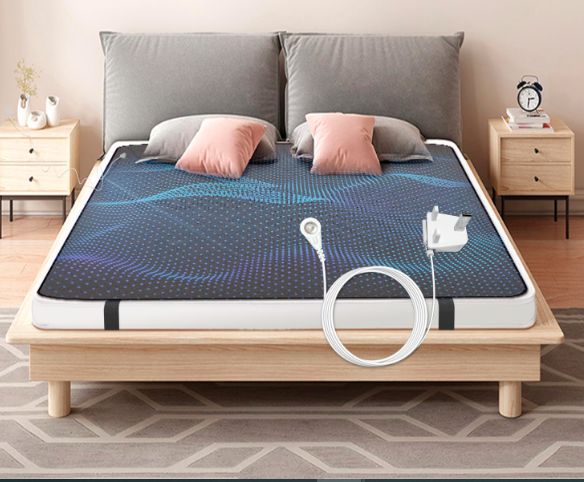
Grounding mats and grounding sheets are among the most popular tools for this purpose. Designed to be used while you sleep or rest, they connect to the grounding port of a standard electrical outlet, replicating the effect of sleeping on the Earth. Many users report waking with less stiffness and a more rested mind.
See also: How to Prepare Your Home for a Window Replacement Project: A Practical Homeowner’s Guide
How to Build Grounding Into Your Routine
You don’t need to overhaul your lifestyle. Small, consistent habits make a real difference:
- At home: Place a grounding mat under your desk or on your bedroom floor. Even 30 minutes of contact per day can add up.
- During sleep: Swap your regular fitted sheet for a grounding sheet to benefit passively overnight.
- At the office: A grounding mat under your feet while you work helps maintain connection throughout the day.
- Create a relaxation corner: Pair your grounding mat with soft lighting, calming sounds, or breathwork to create a dedicated space for unwinding.
Consistency matters more than duration. Regular, daily use of grounding products tends to deliver more noticeable benefits than occasional longer sessions
Reconnecting for the Long Haul
The long-term benefits of grounding extend well beyond a single relaxed evening. Sustained use supports reduced inflammation, more stable energy levels, improved sleep quality, and a calmer baseline state of mind. It’s one of the simplest interventions available—rooted in something as old as the Earth itself.
The goal isn’t to abandon modern life. It’s to stay tethered to something that’s always been there. Grounding products make that connection accessible, no matter where you live or how your day unfolds.