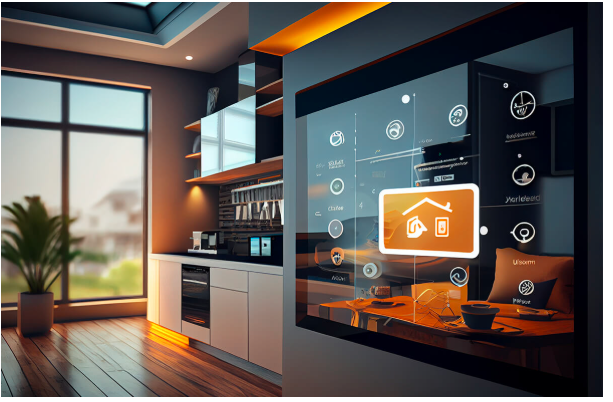
Upgrading to a smart home is exciting—but it can also feel overwhelming if you don’t know what to expect. What devices do you need? How long does it take? Will everything actually work together? These are common questions for anyone considering a professional home automation installation.
The good news: when done right, the process is smoother than most people expect. Here’s a clear breakdown of what happens from start to finish.
Pre-Installation Consultation
Every successful home automation installation begins with a conversation. Before any hardware is ordered or cables are run, a technician will sit down with you to understand your goals.
This consultation typically covers:
- Your priorities — security, lighting, climate control, entertainment, or all of the above
- Your home’s infrastructure — Wi-Fi coverage, electrical setup, and existing smart devices
- Your budget and timeline — so expectations are aligned from day one
Think of it as a blueprint session. The more specific you are about how you live and what frustrates you about your current setup, the better the final result will be.
Installation Day
When the technicians arrive, expect a structured and methodical process. This isn’t a one-size-fits-all job—every home is different.
A typical installation day includes:
- Mounting and wiring hardware (smart switches, sensors, cameras, thermostats)
- Setting up a central hub or controller
- Optimizing your home network to handle the increased device load
Depending on the size of your home and the complexity of the system, installation can take anywhere from a few hours to a full day. A good technician will keep disruption to a minimum and clean up as they go.
System Integration and Testing
Once the hardware is in place, the real work begins—getting everything to talk to each other. This is where home automation installation moves from individual devices to a unified smart home ecosystem.
Technicians will connect all devices to a central platform (such as Google Home, Amazon Alexa, Apple HomeKit, or a dedicated smart home controller) and run tests to confirm:
- Devices respond accurately to commands
- Automations trigger correctly (e.g., lights turn off when you leave the house)
- The network handles peak load without lag or dropouts
This stage is critical. Skipping thorough testing is one of the most common reasons smart home systems underperform after setup.
User Training and Walkthrough
A fully installed system is only as useful as your ability to operate it. That’s why a proper walkthrough is a non-negotiable part of any professional home automation installation.
Your technician will walk you through:
- Using the app or controller to manage your devices
- Setting up personalized automations and scenes (e.g., a “Good Morning” routine that adjusts lighting and temperature)
- Troubleshooting minor issues independently
Don’t be shy about asking questions here. The best installers want you to feel confident, not dependent on them for every small adjustment.
See also: How to Use a High Frequency Wand for Hair Growth
Embrace the Upgrade
A professionally completed home automation installation doesn’t just add convenience—it changes how you interact with your home every single day. Lights that adjust to your mood, a thermostat that learns your schedule, security cameras you can check from anywhere in the world.
The process, when handled by experienced professionals, is methodical and surprisingly straightforward. And once it’s done, most homeowners wonder how they ever managed without it.
If you’re ready to take the next step, start by reaching out to a certified smart home installer in your area for an initial consultation. A smarter home is closer than you think.