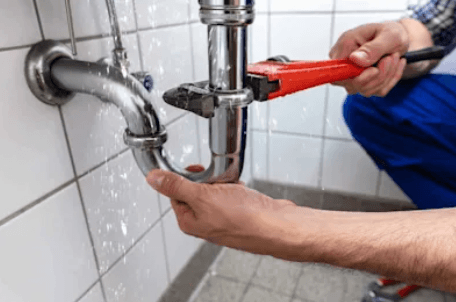
Most homeowners never think much about plumbing until the day plumbing thinks about them. A water-heater that fails on a Sunday evening. A sewer back-up two weeks before Thanksgiving. A frozen pipe in mid-January that bursts the moment temperatures rise. Plumbing emergencies have a way of finding the most inconvenient hour, and the hour before is exactly the wrong time to start vetting a plumber.
Across the United States, the residential plumbing trade has shifted in two directions over the last decade. National franchise operators have moved into suburban markets in numbers, offering scale, marketing presence, and consistent pricing. Independent local plumbers, often family-run with multiple decades of presence in a single community, have continued to operate alongside them, generally on the strength of relationships and reputation rather than advertising spend.
Choosing between the two is a more consequential decision than it sounds, particularly for homeowners in tight-knit Wisconsin communities like Sussex, where the difference between a long-established local operator and a national franchise reaches into pricing, scheduling, and the depth of local code knowledge.
What a long-established local plumber actually offers
Three things tend to separate the long-tenured local operators from the rest.
The first is local code fluency. Wisconsin plumbing code, Waukesha County permit requirements, and the specific quirks of municipal water and sewer authorities in towns like Sussex, Pewaukee, and Hartland are not learned from a national training manual. They are learned from doing the work in those jurisdictions over many years. The Wisconsin Department of Safety and Professional Services maintains the state plumbing code, and inspections are typically handled at the municipal level, where the inspectors and the long-standing plumbers know each other on a first-name basis.
The second is system memory. A plumber who has worked the same neighbourhood for fifteen years knows what kind of pipe runs through the 1970s tract houses, where the old galvanised lines tend to fail, which subdivisions have above-average groundwater issues, and how the local soil conditions affect sewer line depth. That memory shows up in the speed and accuracy of the diagnosis when something goes wrong.
The third is the response window. National operators dispatch from regional centres. A local plumber serving a specific town often gets to the door faster, particularly outside business hours, because the truck is already in the area.
The Sussex plumber Schoenwalder operation, for instance, is the kind of multi-decade local presence that homeowners in Waukesha County tend to identify with by name rather than by category, which is the test of whether a local plumber has actually become part of the community fabric.
What homeowners should keep on hand
A few items make plumbing emergencies materially less stressful.
The location of the home’s main water shut-off valve, tested at least once per year so it actually moves when needed.
The location of the gas shut-off valve to the water heater.
A photographed inventory of the basement plumbing, taken in good light, that any plumber can reference if the homeowner is not on site.
A plumber’s number saved in the phone, ideally with notes on which services they cover and what hours they offer emergency response.
What to ask before booking
A few questions cover most of the variation between operators.
Are the plumbers state-licensed and the company bonded and insured? In Wisconsin, individual plumbers are licensed by DSPS, and reputable companies maintain liability insurance.
Do they pull permits when permits are required? Honest answer here matters. Work that should have been permitted but was not surfaces during home sales and can cost more to remediate than the original job would have.
Is there a written estimate before work begins? Trust improves materially when the price is in writing.
What happens after hours? Every household needs to know the after-hours response window before the after-hours emergency arrives.
See also: What to Expect from a Complete Home Automation Installation Process
FAQ
Do plumbers need a state licence in Wisconsin? Yes. Individual plumbers are licensed by the Wisconsin Department of Safety and Professional Services.
When is a plumbing permit required? Most jurisdictions require permits for water heater replacements, sewer line work, gas line work, and most fixture installations. Cosmetic faucet swaps are usually exempt.
How often should a home’s plumbing be inspected? A general inspection every three to five years is reasonable for most homes. Older homes, well-water properties, and homes with a history of issues benefit from more frequent attention.