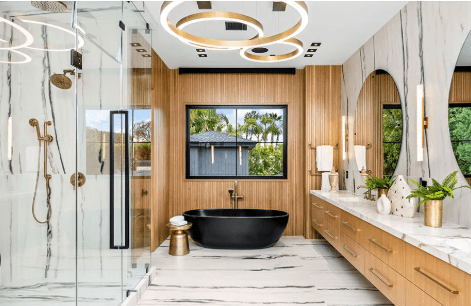
For most of the last century, the bathroom was the room people upgraded last. Kitchens got the renovations, living rooms got the furniture spend, and bathrooms got whatever was left. That hierarchy has flipped, and the data on home improvement spending in the UK and across Europe shows the bathroom now leading discretionary upgrade categories in many years, particularly the post-pandemic stretch.
This shift reflects a growing focus on comfort, wellness, and long-term home value. Homeowners are investing in premium fixtures, smart technologies, and reliable maintenance solutions. Products such as Kohler faucet replacement parts help extend fixture lifespan, improve performance, and support cost-effective bathroom upgrades.
The reasons are easy to identify if you look at how people now use the room. The bathroom is no longer purely functional. It is the place where the day starts, where exercise recovery happens, where personal care routines have expanded, and where a portion of the wellness habits that used to require a gym or a spa now happen at home. The fixtures and fittings have evolved to match.
Specialist suppliers like Insignia Showers sit in the part of the market that has grown fastest: high-specification shower enclosures, steam showers, hydromassage units, infrared saunas, and integrated wet rooms that bring spa-level features into ordinary domestic plumbing.
What the upgrade actually involves
The market has split into three tiers.
Standard shower replacement remains the largest segment, with conventional enclosures, mixer valves, and tray installations.
Specification shower upgrades sit one tier up, including thermostatic mixers, multi-jet panels, body sprays, fixed rainfall heads, and integrated valve sets. These are still recognisably showers but produce a different daily experience.
Wellness installations sit at the top, including steam showers, integrated saunas, hydromassage units, and shower-sauna combinations. The clinical and wellness literature has become more substantive on this category. Peer-reviewed work on the U.S. National Library of Medicine documents physiological effects of regular sauna and steam exposure including improved cardiovascular metrics, reduced stress markers, and benefits to recovery from physical exertion.
UK installation typically requires a competent plumber for water connection, a Part P qualified electrician for power, and confirmation that the floor structure, drainage, and ventilation can support the chosen unit. Building regulations apply to ventilation and electrical work in any wet zone.
What to consider before specifying
Three practical questions cover most of the planning.
How big is the available footprint, including any structural constraints? Steam showers and sauna combinations need more height clearance and better ventilation than standard cubicles.
What is the supply pressure? Multi-jet panels and rainfall heads need adequate flow and pressure. A pump may be required for older properties on gravity systems.
What is the realistic usage pattern? Daily steam users have different needs from weekend wellness users, and the unit complexity should match the household’s actual habits.
See also: What to Expect from a Complete Home Automation Installation Process
FAQ
Do steam showers and saunas require special ventilation? Yes. Both require dedicated extraction to manage moisture and prevent damage to surrounding rooms. Manufacturer specifications guide the requirement.
What floor construction do these units need? Most units sit on standard reinforced bathroom flooring, but the manufacturer’s load and drainage specifications must be verified before installation.
Are the wellness benefits real? The peer-reviewed evidence base for sauna and steam use is substantive, with documented benefits to cardiovascular health, stress, and recovery from exercise.