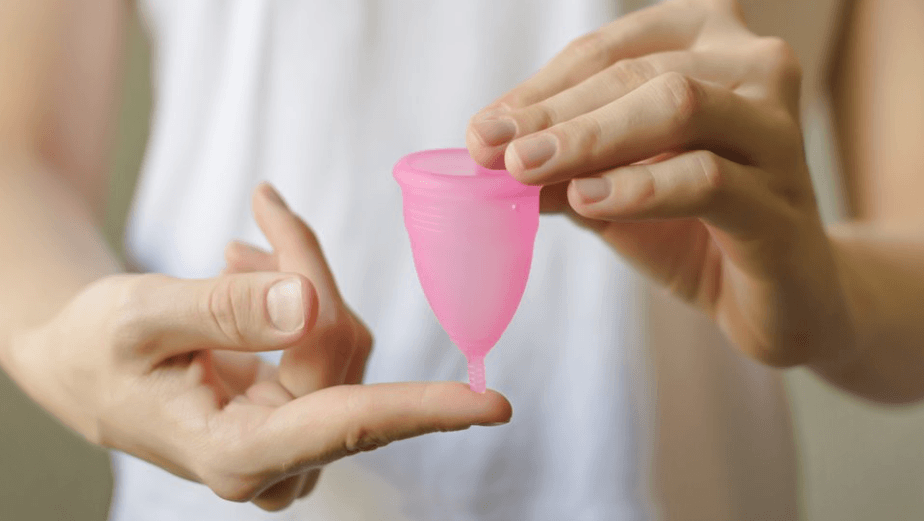
For most of the past century, the conversation about period products was a fairly closed loop. Tampons or pads. Disposable, expensive over time, and rarely questioned. That has changed quickly in the past few years. The reusable category has gone from a niche curiosity to a serious option that millions of women now use month to month. Menstrual cups and discs sit at the centre of that shift, and the reasons for the move say something interesting about how everyday wellness is evolving.
The simple version is that women are doing the math. Disposable products cost real money over a year, generate a meaningful amount of waste, and rarely match the comfort or capacity of a well-designed reusable alternative. Once the initial learning curve passes, the convenience tends to outweigh almost every objection. A single cup or disc replaces roughly two thousand disposable tampons over its lifespan. The cost difference compounds. The environmental footprint is dramatically smaller. And many users report fewer irritation issues compared to disposable products that contain fragrance, bleach, or other unnecessary additives.
What Makes a Cup or Disc Worth Using
The reusable category has matured a lot from the early models that arrived a decade ago. Modern cups and discs are made from medical-grade silicone, designed for direct skin contact, and shaped around real anatomy rather than the geometry of a tube of paper. The best designs come in multiple sizes to fit different cervix heights, flow patterns, and stages of life such as pre-birth, post-birth, and post-menopause. Some women prefer a cup, which sits lower in the vaginal canal and is removed by breaking the seal at the rim. Others prefer a disc, which sits at the base of the cervix and offers options like worn-during-intimacy use that a cup typically cannot.
The growing range of options has helped the category become mainstream. The best period cup for any given person is not the same as the best one for someone else, which is why brands like Saalt offer a range of sizes and shapes in both cup and disc formats so that women can find the right fit without trial and error across multiple competing brands. The right size is usually based on flow volume, cervix height, and personal comfort rather than age or body size alone.
Sustainability and the Quiet Wins
The environmental argument for switching has only grown stronger. The average woman uses several thousand disposable period products over her lifetime, and the resulting waste sits in landfills for centuries. A single reusable cup or disc made of medical-grade silicone can last for many years with proper care. Multiply that across a generation of users, and the cumulative reduction in waste is substantial. Sustainability is rarely the only reason someone switches, but it tends to be a quiet confirmation that the decision was the right one.
There are also less visible practical wins. A reusable cup or disc can hold significantly more fluid than a standard tampon, which means longer stretches without checking. Travel becomes easier because there is no need to pack disposable supplies for a long trip. Costs become predictable rather than recurring.
The Switching Process
For new users, the most common piece of advice is to start at home for the first couple of cycles. The insertion technique takes a few attempts to master, and learning at home with no time pressure is the easiest path. Most users report that by the third cycle the process is automatic, and the time spent worrying about leaks or supplies drops to almost zero. Cleaning between cycles is simple. Most cups and discs are boiled or soaked in a cleaning solution, then stored in a small cotton bag until the next use.
A Category That Is Not Going Back
The shift toward reusable period products is one of those quiet wellness trends that does not get the marketing budgets of supplements or skincare but produces some of the most meaningful changes in daily life for the women who try it. The combination of cost savings, environmental benefit, and physical comfort makes the switch sticky in a way that few wellness changes are.
See also: How Everyday Moments Can Impact Our Future Health
FAQ
How long does a period cup or disc last? Most reusable cups and discs last for several years with proper care. The exact lifespan depends on the brand and how the product is cleaned and stored.
Is a period cup safe to use? Yes when used as directed. Cups and discs made from medical-grade silicone have been used safely by millions of women worldwide. Cleaning between cycles and replacing the product when worn out are important.
How do I choose between a cup and a disc? A cup sits lower in the vaginal canal and is removed by breaking the seal at the rim. A disc sits at the base of the cervix and offers options such as worn-during-intimacy use. Personal preference, anatomy, and lifestyle all play a role.
What size do I need? Size is usually based on flow volume, cervix height, and personal comfort rather than age or body size alone. Most brands offer multiple sizes and provide a sizing guide.
Is it normal to need a few cycles to get used to it? Yes. Most new users find the first one or two cycles a learning curve, and the process becomes automatic by the third cycle for most people.