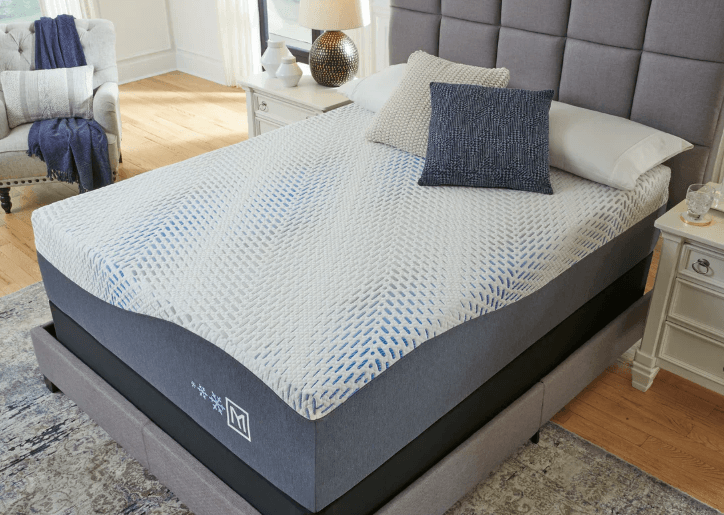
The mattress market has become genuinely complex. A category that once offered a straightforward choice between firm and soft now spans memory foam, latex, innerspring, hybrid, and combinations of all four, each with internal variations in density, coil count, foam composition, and cooling technology. For anyone trying to make a well-informed purchase, the terminology can obscure rather than clarify the decision.
Understanding what is hybrid mattress design, specifically, and how it differs from each alternative, is one of the most useful frameworks for narrowing the choice to what actually suits a specific sleeper.
The Core Architecture
A hybrid mattress combines two elements that have historically been separated into distinct product lines. The base is an innerspring coil system, typically using individually pocketed coils that move independently of one another. Above the coils sit one or more foam layers that provide contouring, pressure relief, and temperature management.
Neither element alone delivers what the combination achieves. All-foam mattresses contour well and isolate motion effectively, but they trap heat, and their all-foam composition can feel unsupportive for heavier body types or stomach sleepers who need a firmer surface to prevent the hips from sinking. Traditional innerspring mattresses offer airflow and responsive support, but provide minimal pressure relief at the hips and shoulders, which makes side sleeping uncomfortable over time.
The hybrid format resolves both limitations simultaneously. The coil core provides support and ventilation. The foam layers provide contouring and pressure management. The result is a sleep surface that suits a wider range of positions and body types than either format manages independently.
Why Quality Varies So Dramatically
The word hybrid is not regulated in the mattress industry. Any mattress with a coil base and foam on top can use the label, regardless of the density of the foam, the gauge of the steel, or the sophistication of the ventilation design. This means the variation in performance between an entry-level hybrid and a premium one is enormous.
Budget hybrids typically use low-density foam over continuous-wire coils. The foam compresses relatively quickly, the coils transfer motion across the surface, and the mattress tends to sleep warmer than the hybrid category’s reputation suggests it should.
Premium hybrids like the Tiami take a different approach. They use individually pocketed coils as the foundation, with Energex performance foam pods wrapped individually above the coil layer to create what Tiami calls a double cushion effect. A high-density memory foam recovery layer sits beneath the comfort zone to support muscle and joint recovery through the night. Ventilation channels run through the foam layers to encourage airflow without the adhesive seals that block ventilation in lower-quality builds. Reinforced perimeter coils maintain edge support edge to edge.
The practical difference between these two construction approaches shows up across the life of the mattress in how the surface holds its shape, how evenly it distributes weight, how cool it sleeps, and how well it supports the body after years of use.
Who Benefits Most
Hybrid mattresses are among the most versatile options available because the coil and foam combination addresses sleep needs that are otherwise in tension with each other. Side sleepers need enough softness in the comfort layer to cushion the shoulders and hips while maintaining lateral spinal alignment. Back sleepers need enough support in the coil core to prevent the hips from sinking too deeply. Stomach sleepers need firm resistance from the coil system to prevent lower back strain.
Hot sleepers represent another group where the hybrid format has a structural advantage. The coil system creates natural airflow pathways through the interior of the mattress. No amount of gel infusion or cooling cover can fully replicate the ventilation that comes from air physically circulating between coils.
Couples benefit from the motion isolation that pocketed coils provide. Because each coil responds independently, movement on one side of the bed creates less disturbance on the other than an interconnected innerspring system would.
See also: Common Corporate Tax Mistakes Small Businesses Make
FAQ
What is the practical difference between a hybrid and a memory foam mattress? A hybrid uses a coil support core with foam comfort layers. A memory foam mattress uses foam throughout with no coils. Hybrids sleep cooler due to airflow through the coil system, have stronger edge support, and provide a more responsive feel with less of the deep body-conforming sink associated with memory foam. Memory foam mattresses offer superior body contouring and very low motion transfer.
How long do hybrid mattresses typically last? A quality hybrid mattress with dense foam and well-constructed coils lasts seven to ten years on average. Premium models built with high-gauge coils and high-density foam can last ten to fifteen years with proper care, including periodic rotation and a supportive foundation that provides even slatted support.
What firmness level is right for a hybrid mattress? Firmness choice depends on sleep position and body weight. Side sleepers generally need a softer comfort layer. Back and stomach sleepers generally need a medium to firm surface. Some premium hybrids use adaptive materials that respond differently to different weights, which reduces the need to choose a single firmness level.
Can a hybrid mattress work for two people with different sleep preferences? Yes. The pocketed coil system minimizes motion transfer, reducing disturbance between sleep partners. Some premium hybrids use materials that respond adaptively to different body weights and sleep positions, making them particularly well-suited for couples with different needs.
Is a box spring required for a hybrid mattress? Most modern hybrid mattresses are designed for platform frames, adjustable bases, or slatted foundations. A box spring is generally not needed. The key requirement is even support, with slats spaced no more than three inches apart to prevent the coil system from wearing unevenly over time.