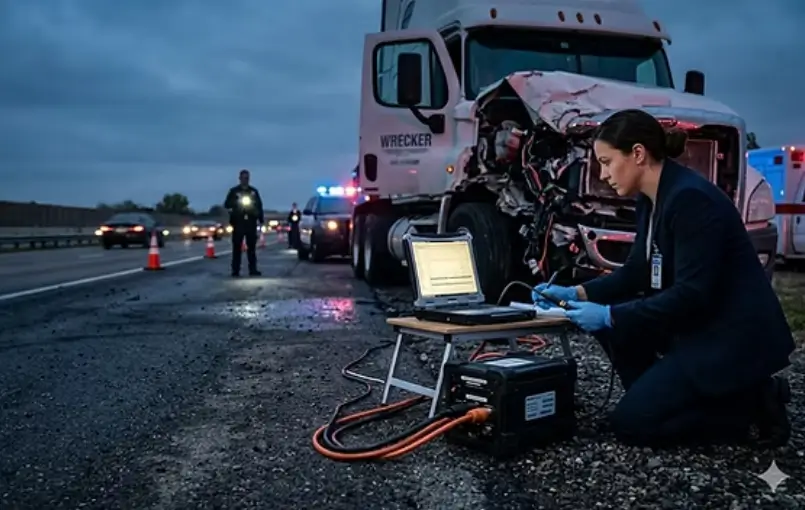
A serious truck crash leaves behind damaged metal, scattered cargo, and frightened witnesses, yet the clearest evidence may sit inside the cab. Many commercial vehicles are equipped with recorders that track speed, braking, throttle input, and engine activity before impact. Those entries can confirm timing, driver response, and mechanical performance. Delay creates risk because electronic files may be overwritten, corrupted, or lost during repairs, storage, or routine fleet use after the collision.
Why Early Legal Action Matters
Time matters after a commercial collision because trucks often return to service quickly, and electronic records can disappear during that process. For that reason, families and injured people may speak with a Las Vegas truck accident lawyer soon after the wreck, so preservation requests can go out before repairs, downloads, or routine use alter critical information about speed, braking, or driver conduct.
What Black Box Data Can Show
Most heavy trucks contain an event data recorder or similar onboard system. These devices may capture vehicle speed, brake application, cruise control status, engine load, and sudden deceleration. Some units also preserve steering input or seat belt use. That material helps investigators reconstruct the final seconds with greater precision. Human memory often fragments after trauma, while machine records can preserve a cleaner sequence of events.
Data Can Test Driver Statements
Early statements after a wreck may differ in meaningful ways. One driver may report sudden traffic congestion, while another person recalls no visible braking at all. Black box entries can help sort those accounts. If the recorder shows no brake input, that fact carries weight. If speed fell sharply before impact, investigators gain a different clue—objective measurements often narrow disputes that memory alone cannot settle.
Hours of Service Questions
Fatigue remains a common factor in heavy truck collisions. Long driving periods can slow reaction time, reduce attention, and impair judgment. Black box records may help show movement patterns before impact, which can support review of logbooks and dispatch records. That comparison matters because a drowsy driver may drift across lanes, miss slowing traffic, or press the brakes too late to avoid a crash.
Mechanical Trouble May Leave Clues
Some crashes stem from equipment failure rather than solely driver behavior. Worn brake components, tire separation, steering defects, or engine problems can change how a truck responds under stress. Recorder data may reveal delayed deceleration, abnormal engine readings, or sudden loss of control. Those signs guide investigators toward maintenance files and inspection histories. Together, the sources can show whether the vehicle was reasonably safe to operate.
Carrier Conduct Also Matters
Liability can extend beyond the driver. A trucking company may set unrealistic delivery times, ignore repeated safety warnings, or postpone needed repairs. Black box data can reveal patterns, such as chronic speeding or frequent hard braking, across trips. Those trends may suggest pressure from management rather than one isolated lapse. A broader review helps determine whether the company’s practices contributed to the collision.
Preserving Evidence Requires Speed
Electronic evidence can vanish quietly. Some systems overwrite old entries once a truck resumes regular service, and others store only limited crash data. Prompt preservation letters help reduce that risk. Quick action may also protect inspection reports, driver logs, route details, maintenance invoices, and dispatch messages. Each document adds context, allowing experts to compare the recorder timeline with operational records from the same period.
See also: How Do Cerebral Palsy Claims Work in Injury Law
Insurers Often Study the Same Data
Insurance carriers know how persuasive onboard records can be. Adjusters may review downloaded information early, then use it to frame liability discussions or challenge injury claims. Injured people need equal access to that evidence, or the factual picture may tilt in one direction. A fair review depends on shared facts. When one side controls the best technical record, dispute resolution becomes less reliable.
Black Box Data Supports Safer Roads
Preserved data serves a public safety purpose beyond any single legal claim. Repeated speeding, delayed braking, or extended driving periods can point to preventable hazards inside fleet operations. Careful review helps identify weak training, poor supervision, or ignored maintenance needs. Lessons drawn from real collision data can inform safer policies. Better preservation today may reduce severe injuries for other families tomorrow.
Conclusion
Black box data can capture facts that disappear from memory within hours and from electronic systems within days. Speed, braking effort, engine response, fatigue clues, and equipment performance all matter after a truck collision. Preserving those records helps investigators, families, and injured people evaluate what truly happened. Reliable evidence also supports fair accountability and safer trucking practices, which can reduce future harm on busy roads.