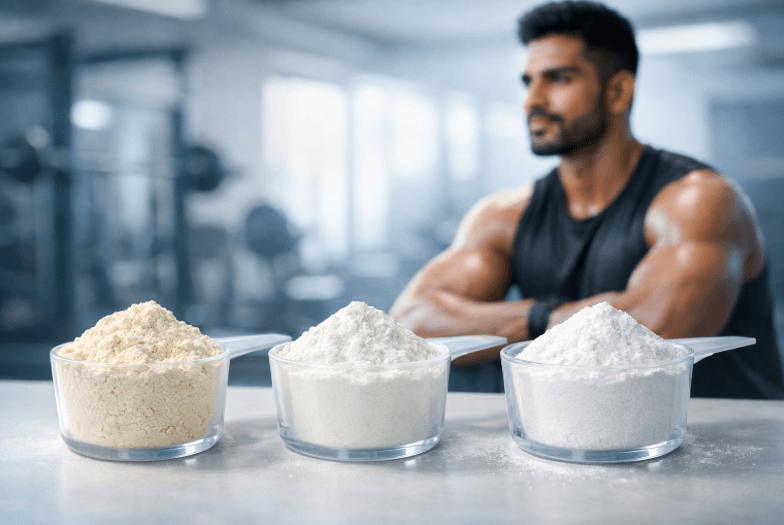
Protein supplementation has become a standard part of training routines for athletes, gym-goers, and active individuals. Among the range of protein supplements available, whey protein isolate stands out for its purity, absorption rate, and effectiveness in supporting muscle recovery and growth. Understanding what whey isolate is, how it differs from other protein sources, and why product quality matters helps fitness-focused individuals make better decisions about their supplementation.
What Is Whey Protein Isolate?
Whey protein is derived from milk during the cheese-making process. It is separated into two primary forms: concentrate and isolate. Whey concentrate contains a moderate protein percentage along with varying amounts of fat and lactose. Whey isolate undergoes additional filtration to remove most of the fat and lactose, resulting in a product that is typically 90 percent or more protein by weight.
This higher purity profile makes whey isolate particularly suitable for individuals who are lactose-sensitive, those following strict macronutrient targets, and anyone who wants a fast-digesting protein source with minimal additional calories from fat or carbohydrates.
Why Absorption Speed Matters for Recovery
After exercise, muscle fibres that have been broken down during training require amino acids to begin the repair and growth process. The speed at which protein is digested and amino acids enter the bloodstream determines how quickly this recovery process can begin.
Whey protein isolate is one of the fastest-digesting protein sources available, making it particularly well-suited to post-workout consumption. Consuming a high-quality whey protein isolate powder within 30 to 60 minutes of completing a training session provides the amino acids needed during what many athletes consider an important recovery window.
Key Benefits of Whey Protein Isolate
The primary benefit of whey isolate is its amino acid profile. It contains all nine essential amino acids, making it a complete protein source. It is particularly high in leucine, an amino acid that plays a key role in triggering muscle protein synthesis.
For those tracking macronutrients carefully, the low fat and carbohydrate content of a quality isolate means it contributes primarily protein calories to daily intake, making it easier to hit protein targets without overshooting calorie goals.
The digestibility of whey isolate also means it tends to cause less gastrointestinal discomfort than lower-quality protein sources, including whey concentrates that retain more lactose.
What Distinguishes a High-Quality Isolate
Not all whey protein isolate products are created equal. The filtration method used affects the purity and the preservation of bioactive peptides. Cross-flow microfiltration and ion exchange are the two most common methods, each with different effects on the final protein profile.
Ingredient transparency is another quality indicator. A high-quality isolate will list whey protein isolate as its primary or only protein source rather than blending it with cheaper concentrate. Third-party testing for banned substances is particularly important for competitive athletes who need confidence that the product contains what the label states.
Flavour and mixability also matter for consistent use. A product that mixes easily and tastes good in water or milk is more likely to be used regularly, which ultimately determines whether supplementation delivers its intended results.
How to Incorporate Whey Isolate Into a Training Programme
Post-workout is the most widely recommended time for consuming whey isolate, as the body is in an active recovery state and amino acid uptake is prioritised. However, it can also be used at other points in the day to help reach daily protein targets.
Adding it to smoothies, mixing with milk or water, or incorporating it into recipes such as overnight oats and protein bars are all practical ways to use isolate without relying on shakes alone.
Recommended protein intake for individuals engaged in regular strength training is generally around 1.6 to 2.2 grams per kilogram of body weight per day. Supplementation with whey isolate is most effective as part of a diet that already includes adequate protein from whole food sources.
FAQ
Q: What is the difference between whey concentrate and whey isolate? A: Whey isolate is more highly filtered, resulting in higher protein content per serving and lower fat and lactose levels compared to concentrate.
Q: Is whey protein isolate suitable for lactose-intolerant individuals? A: Many people with lactose sensitivity tolerate whey isolate well due to its very low lactose content, though individual responses vary.
Q: When is the best time to consume whey protein isolate? A: Post-workout is the most commonly recommended timing, though it can also be consumed throughout the day to support overall protein intake.
Q: How much whey protein isolate should I consume per day? A: This depends on overall dietary protein intake and training goals. Most people use one to two servings per day as part of a broader high-protein diet.
Q: Can women use whey protein isolate? A: Yes. Protein requirements and the benefits of supplementation apply equally regardless of gender.
Q: Does whey protein isolate cause weight gain? A: Whey isolate does not cause weight gain on its own. Weight changes are determined by total caloric intake. Isolate supports muscle recovery and can be used effectively in both muscle gain and fat loss phases.