You’ve spent hours perfecting the logo for your woodworking business. Now you want to have that same logo placed on every product you make – cutting boards, furniture pieces, gift boxes, etc. This is where a branding iron becomes a powerful tool, so you can stamp your logo directly onto the piece of wood and give your work a professional, long-lasting identity.
But here’s the question: Will a complex logo work on every type of wood? In this blog, we’ll break down how wood type, grain, and logo detail can affect the final result – and what you should know before branding your designs.
Let’s get into it…
Does Every Type of Wood Work for Complex Logos?
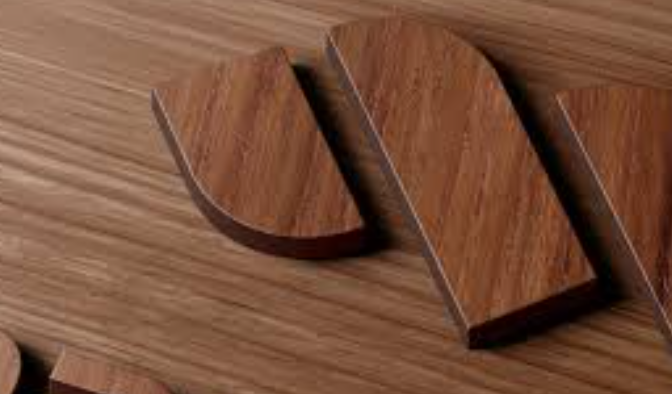
Well, the type of wood you use can make or break your logo branding. Why? Since all wood does not burn the same, though. Some woods are smooth and predictable while others may be rough or even have cracks in them. For this reason, it is harder for your branding press to make a clear mark on the wood
Woods That Work Best
Some woods are just perfect for the job. They’re smooth… consistent…. and make your logo look professional every single time. Here’s a list of all the woods you can rely on:
- Maple: Smooth and even, so it burns cleanly. The tight grain helps heat spread evenly, which keeps fine lines sharp and clear.
- Birch: Also smooth and easy to work with. Its light color creates a strong contrast, so your logo stands out clearly.
- Cherry: Burns into a deep, rich mark. The wood holds detail well, giving your logo a more premium look.
- Poplar: Simple and reliable. With very little grain variation, your branding tool makes even contact across the surface.
- Basswood: Soft and uniform, great for detailed designs. It heats quickly and needs less pressure, making it ideal for intricate logos.
Woods That Cause Problems
Now, here’s where things get a bit challenging. Not all woods are logo-friendly. Some are too rough and resinous. Here are a few types to approach with caution:
- Oak: The grain is uneven, so your logo can come out patchy. Some parts burn darker than others.
- Pine: It has soft and hard spots, so it doesn’t burn evenly. This can make your logo look blotchy.
- Reclaimed Wood: It may look nice but old finishes, nail holes and rough spots make it difficult to get a clean, even mark.
- Resinous Woods: The resin heats differently from the wood, which can affect the burn and leave a sticky layer on your branding iron over time.
If your logo has a lot of small details, stick to woods like maple or birch.
How Logo Complexity Affects Your Wood Branding?
Branding a complex logo on wood is definitely possible. But the level of detail does matter. Because a branding press uses heat and pressure to burn the design, extremely thin lines or tiny text may sometimes appear less defined. The wood grain can also be a factor in how well everything goes across.
With a good-quality branding press that applies even heat and pressure, most logos can turn out beautifully. For best results, try slightly thicker lines or simplify tiny details – this helps your logo look sharp and professional without changing its original design.
Why Businesses Use Branding Irons for Logos
Let’s talk about why a branding iron is such a game-changer. Imagine your customer grabs a wooden product you’ve worked so hard on. They turn it over, and your logo is burned right into the back. What do they think? “Wow, this is something special.” It shows your craft isn’t just about making something, it’s about quality and pride in what you do.
For woodworkers…. furniture makers… and gift sellers… a branding press is like your signature. Stickers and labels peel off or fade, but a burned logo? That’s there for good. It’s unique, professional, and helps people remember your brand long after they’ve left your store.
How to Adjust Your Logo for a Clean Burn
Here’s something a lot of people don’t think about: your logo might need a little tweaking before it works well with a heat stamp. A design that looks amazing on your website doesn’t always work well with wood. Here’s how to get it right:
- Thicker lines burn more clearly than thin ones.
- Tiny elements like intricate patterns or fine text might not show up well. Simplify them.
- If your design is too compact, spread things out a little. That extra breathing room makes a big difference.
Thin, fancy fonts can disappear in the burn. Go for something thicker and bolder.
How the Branding Iron Affects Results
So, now, let’s talk about the branding press. All irons are not created equal, as the quality of your iron is something that can massively affect your final result.
Some of the features of a high-quality branding press include:
- The iron should heat uniformly throughout the design. If some of the parts are hotter than others, then your logo may burn unevenly.
- A well-made iron has clean, crisp edges that create a clear transfer of your logo. Blunt edges are unappealing and give an unclear impression.
- Electric branders are very useful for detailed logos as they provide a constant temperature during the process.
If your branding press is just not well-made, the best logo and wood combination is not going to save you.
Your Logo Should Outlast the Product
The right wood, a well-adapted logo, and a quality branding press – get all three right, and every piece you make carries a mark that truly lasts. That’s what turns a wooden product into something people actually remember.
If you’re looking for custom branders that perfectly capture fine logo details, Short Order Products is worth checking out. Their branding irons are designed for precision and high-quality results. Don’t settle for uneven or faded marks; choose a tool that’s up to the quality of your work.