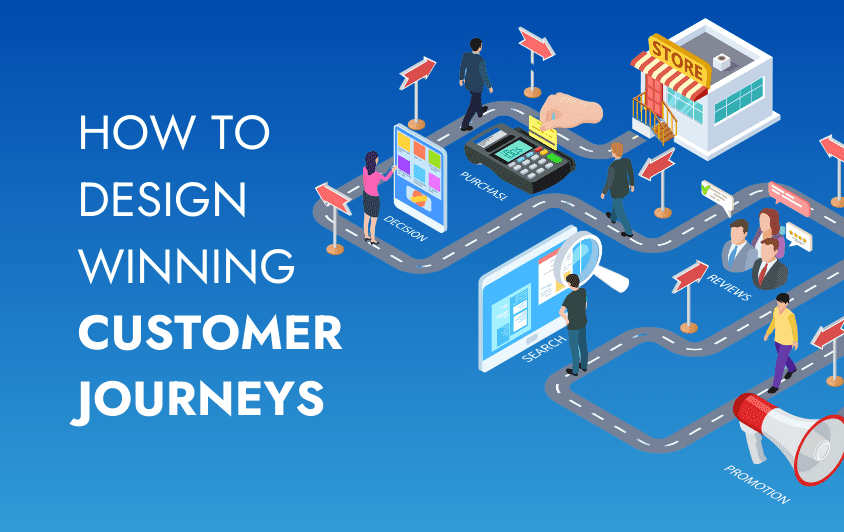
The modern retail customer journey is no longer linear. Shoppers don’t simply walk in, browse, and buy. They pause at the window, compare online, return days later, interact with staff, leave without purchasing, and come back again. Understanding this fragmented journey is essential for turning casual visitors into loyal customers.
This is where data becomes transformative. By capturing in-store behavior through a footfall counter and interpreting it using retail analytics software, retailers can map the entire customer journey with clarity identifying where interest begins, where intent grows, and where loyalty is built.
Why the Customer Journey Has Changed
Today’s customers are informed, selective, and experience-driven. Physical stores are no longer just transaction points, they are brand touchpoints. Shoppers may enter without intent to buy but leave with intent to return.
Traditional metrics like sales alone fail to capture this complexity. A footfall counter provides visibility into how many people engage with a store, while retail analytics software helps interpret what those visits truly mean.
Retailers who understand the journey outperform those who only measure the destination.
Stage 1: Capturing Attention at the Window
The journey often begins before a customer steps inside. Window displays, signage, and store frontage determine whether a passerby becomes a visitor.
A footfall counter helps retailers measure:
- How many people pass by versus enter
- Conversion from window interest to store entry
- Impact of display changes on walk-ins
With retail analytics software, retailers can correlate footfall changes with visual merchandising updates, validating what actually attracts attention.
Stage 2: First Entry and Exploration
Once inside, customers begin exploring. Some browse quickly, others linger. Understanding this behavior is critical.
Using data from a footfall counter, retailers can track:
- Entry patterns by time and day
- Repeat visits from the same periods
- Traffic peaks versus quiet hours
Retail analytics software helps identify whether increased footfall leads to deeper engagement or quick exits, signaling whether the in-store experience matches expectations set outside.
Stage 3: Engagement Without Immediate Purchase
Not every visit ends in a sale and that’s not a failure. Many customers use their first visit to evaluate products, pricing, and service quality.
By combining footfall data with sales data, retail analytics software reveals:
- Browse-to-buy ratios
- High-traffic, low-conversion periods
- Opportunities for staff engagement improvements
A footfall counter ensures these insights are grounded in real visitor behavior, not assumptions.
Stage 4: Decision Moments and Conversion
Conversion is the most visible part of the journey but it’s influenced by everything before it. Timing, staffing, layout, and product placement all play a role.
Retailers using a footfall counter can identify:
- Peak conversion windows
- Traffic surges that don’t convert
- The impact of promotions on entry volume
With retail analytics software, these insights help optimize store operations to support purchase decisions at the right moments.
Stage 5: Post-Purchase Experience and Return Visits
The journey doesn’t end at checkout. Post-purchase satisfaction determines whether customers return and return visits are a key indicator of loyalty.
A footfall counter helps track:
- Repeat visitation trends
- Changes in visit frequency over time
- The long-term impact of service quality
Retail analytics software allows retailers to see how operational improvements influence retention, turning one-time buyers into regular visitors.
Stage 6: Building Loyalty Through Consistency
Loyalty is built through consistent, positive experiences not just rewards programs. Customers return when stores feel familiar, efficient, and aligned with their needs.
By analyzing long-term data from a footfall counter, retailers can:
- Identify loyal customer visit patterns
- Understand preferred shopping times
- Align staffing and inventory with repeat behavior
Retail analytics software ensures loyalty-building decisions are based on patterns, not guesswork.
Connecting Online and Offline Journeys
Modern customer journeys often cross channels. Customers may discover products online but experience them in-store. While footfall data focuses on physical visits, retail analytics software helps bridge the gap by aligning traffic trends with marketing activity.
Retailers can:
- Measure in-store impact of digital campaigns
- Track traffic uplift after online promotions
- Understand how awareness translates into visits
A footfall counter provides the physical proof of digital influence.
Read Also: What Is Switchgear in Industrial Power System
Mapping the Journey Across Multiple Locations
For multi-store retailers, customer journeys vary by location. Centralized retail analytics software allows brands to compare journeys across stores using consistent footfall data.
Benefits include:
- Identifying high-performing locations
- Replicating successful customer experiences
- Adjusting strategies for local behavior
- Creating a cohesive brand journey
The footfall counter ensures accurate, comparable data across all touchpoints.
Measuring What Matters in the Journey
Not every metric matters equally. Mapping the customer journey helps retailers focus on indicators that signal progress toward loyalty.
Key journey metrics include:
- Entry-to-engagement ratios
- Visit frequency trends
- Traffic growth without sales decline
- Conversion improvements over time
With a footfall counter capturing behavior and retail analytics software interpreting it, retailers gain a complete view of customer evolution.
Conclusion
From the moment a shopper pauses at the window to the point they become a loyal customer, every interaction matters. Mapping the modern customer journey requires visibility, context, and consistency.
By leveraging a footfall counter and unlocking insights through retail analytics software, retailers can understand not just who buys, but who visits, who returns, and who stays loyal. In today’s retail landscape, loyalty isn’t accidental. It’s mapped, measured, and intentionally built.
Frequently Asked Questions (FAQs)
1. How does a footfall counter help map the customer journey?
A footfall counter tracks store visits and traffic patterns, helping retailers understand how customers move from awareness to repeat visits.
2. Can retail analytics software track non-buying visitors?
Yes. Retail analytics software analyzes footfall data to provide insights into browsing behavior and engagement beyond sales.
3. Why are repeat visits important in the customer journey?
Repeat visits indicate trust and satisfaction, serving as early signals of loyalty before long-term purchasing patterns form.
4. How often should retailers analyze customer journey data?
Retailers should review footfall counter data weekly and conduct deeper journey analysis monthly using retail analytics software.
5. Does mapping the customer journey improve loyalty?
Absolutely. Understanding customer behavior allows retailers to optimize experiences that encourage repeat visits and long-term loyalty.