You might be doing all the right things. You schedule checkups with a Sunnyvale dentist, you listen carefully when the dentist talks about brushing, flossing, and snacks, and then you go home only to face the real challenge, which is getting a tired child to brush well at the end of a long day. That gap between the dental chair and daily life is where many parents feel stuck. The good news is that small, steady habits at home can make dental advice stick, and they often matter more than one perfect routine.
When people talk about how parents can support kids’ oral health at home, they are usually talking about consistency, not perfection. If your child resists brushing, forgets to floss, or seems to live on crackers and juice, you are not alone. What helps most is turning professional advice into simple routines your child can repeat without a fight every day.
Why Is Reinforcing Dental Advice at Home So Hard for Families?
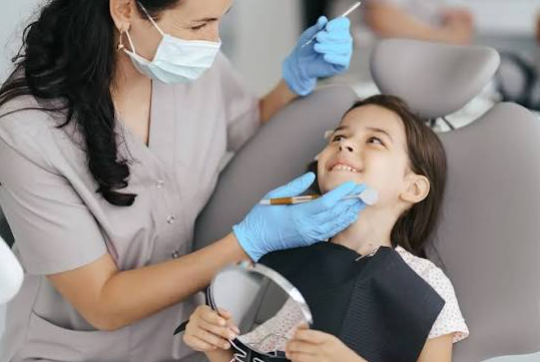
Most dental visits are short, but family life is not. A dentist may explain the best brushing method in a few minutes, and it makes sense in the office. Then real life takes over. Mornings get rushed. Bedtime gets late. One child is easygoing, another gags on toothpaste, and a third insists they already brushed when they barely touched the back teeth. Because of this tension, you might wonder whether the effort is even working.
It is working, even if progress feels slow. Children learn through repetition. They also learn by watching you. If dental care sounds like a lecture, they often push back. If it becomes part of the rhythm of the house, they tend to accept it over time. That is why reinforcing dental advice between visits is less about one talk and more about building cues your child can follow again and again.
There is also the money side of things. Preventing cavities at home is usually much easier on your budget than treating them later. Fillings, extra visits, and missed school or work add up quickly. According to the CDC, families can lower risk by following practical oral health tips for children, including regular brushing with fluoride toothpaste and healthy eating habits. Those home choices may seem small in the moment, but they often shape what happens at the next appointment.
See also: Regain Control of Your Life With Drug Addiction Treatment
What Does Good Follow Through Look Like Between Dental Visits?
It helps to think in layers. First comes brushing twice a day with fluoride toothpaste. Then flossing once teeth touch. Then food and drink choices that do not keep sugar on the teeth all day. Then regular checkups with your family dentist. None of these steps works as well alone as they do together.
Fluoride is one area where parents often have questions. You may have heard mixed messages, or you may not be sure how much toothpaste your child should use. The CDC explains how fluoride helps prevent tooth decay by making teeth more resistant to acid and helping repair early damage. For many families, using the right amount of fluoride toothpaste is one of the simplest ways to support what the dentist recommends.
So, where does that leave you on a busy Tuesday night? Usually with a child who wants to skip brushing and a parent who is tired. This is where systems help more than willpower. A stool at the sink, a two minute song, a sticker chart, and brushing at the same time every day can make oral care feel less like a battle and more like a habit.
Which At Home Habits Actually Reinforce a Dentist’s Advice?
Some habits have a bigger payoff than others. The goal is not to do everything at once. The goal is to choose the few actions that protect teeth day after day.
| At Home Habit | Why It Helps | What It Can Look Like in Real Life |
|---|---|---|
| Brush twice a day with fluoride toothpaste | Removes plaque and lowers cavity risk | Brush after breakfast and before bed, with a parent helping younger children |
| Floss once a day | Cleans between teeth where brushes miss | Use floss picks at bedtime if regular floss feels too hard |
| Limit frequent sugary snacks and drinks | Reduces repeated acid attacks on teeth | Offer water between meals instead of juice or sports drinks |
| Use routines and visual reminders | Turns advice into habit | Post a bathroom checklist with brush, spit, floss, rinse if advised |
| Keep up regular dental visits | Spots issues early and reinforces home care | Schedule the next appointment before leaving the office |
If you want a clear guide to the basics, the National Institute of Dental and Craniofacial Research offers helpful oral hygiene guidance that covers brushing, flossing, and everyday care. Sometimes parents just need a trusted reference to confirm that the simple things really do matter.
What Three Steps Can You Take Right Now to Support Better Oral Health?
1. Make brushing non negotiable, but keep the mood calm.
Children respond better to routine than to pressure. Pick the same times each day, keep supplies easy to reach, and help with brushing longer than you think you need to. Many kids do not have the hand control to brush well on their own for several years. You can let them start and then you finish.
2. Change the environment, not just the conversation.
If your child snacks constantly, it is hard for teeth to recover. Try setting snack times instead of grazing all day, and keep water visible and easy to grab. If flossing gets skipped, put floss picks where bedtime happens. A habit is easier to keep when the setup does part of the work.
3. Repeat the dentist’s message in simple words your child understands.
You do not need a speech. Try short phrases like, “We brush sugar bugs away,” or, “We clean between the teeth too.” The best parenting dental tips are often the simplest ones, because children remember what is short, clear, and repeated often.
How Can You Keep Going When Progress Feels Slow?
Some weeks will go smoothly, and some will not. That does not mean you are failing. It means you are raising a child, and children test routines before they accept them. What matters is that you return to the habit without turning it into shame. A missed night is a missed night. The next brushing still counts.
Over time, these small choices become part of your child’s normal. That is the real power of reinforcing advice between visits. Your family dentist can guide the plan, but home is where the plan becomes real. If you stay steady, keep the routine simple, and focus on progress instead of perfection, you give your child a strong foundation for healthy teeth that lasts well beyond the next appointment.