Key Takeaways
- The right caster depends on load weight, floor type, travel distance, speed, and working conditions.
- Wheel material affects rolling effort, noise, traction, floor protection, shock absorption, and durability.
- Load ratings need a safety margin because weight is not always shared evenly by every caster.
- Brakes, swivel locks, and directional locks improve control when equipment must stop or track straight.
- Routine inspections reduce the risk of wobbling, excess push force, damaged floors, and unexpected failure.
Table Of Contents
- Why Caster Selection Matters
- Start With The Load
- Match The Wheel To The Floor
- Compare Common Wheel Materials
- Choose The Right Caster Style
- Know When Brakes And Locks Help
- Connect Caster Choice To Ergonomics
- Build A Simple Inspection Routine
- Use A Final Selection Checklist
- Conclusion
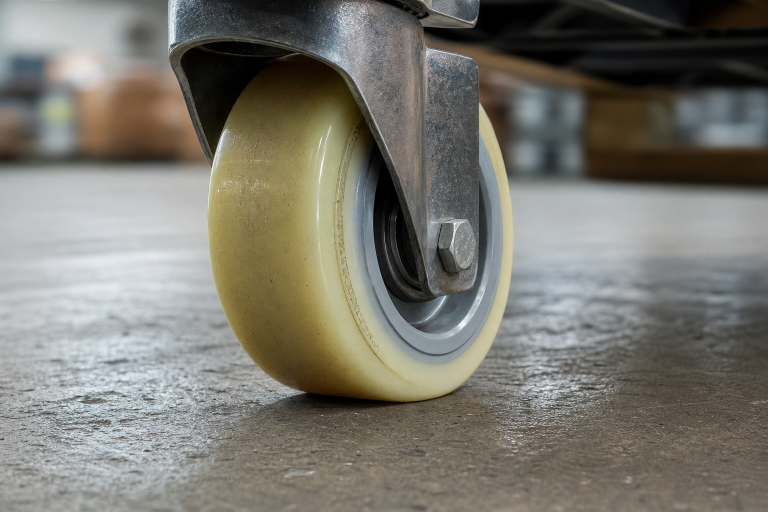
Casters may look like small components, but they have a major effect on how safely carts, racks, worktables, bins, and mobile equipment move through a facility. Choosing the wrong wheel can make a manageable task noisy, difficult, unstable, and physically demanding. Choosing the right 5 inch caster wheels or another appropriate size can improve clearance, reduce rolling resistance, and help equipment move more predictably.
A good selection starts with the actual job, not simply the caster’s appearance or advertised capacity. Consider what the equipment carries, where it travels, how often it moves, who uses it, and whether it must remain stationary during work. Those details determine whether a quiet polyurethane wheel, a cushioned pneumatic wheel, a rigid industrial wheel, or another design is the better fit.
Why Caster Selection Matters
Poorly matched casters can create loud travel, floor marks, unstable loads, difficult steering, and unnecessary strain. A wheel that is too small may catch in cracks, thresholds, debris, or floor gaps. A wheel with worn tread or a damaged swivel can also increase the effort needed to start, stop, and guide a cart. OSHA identifies forceful exertion, awkward posture, and poorly functioning wheels as important material-handling concerns in its guidance on pushing and pulling loads.
Start With The Load
Before comparing caster models, calculate the total working weight. Include the cart or equipment frame, installed tools, product, packaging, shelves, batteries, and accessories. Then identify the heaviest realistic load, not just the normal daily load.
- Record the standard operating weight.
- Estimate the maximum loaded weight.
- Allow for impacts from thresholds, uneven floors, and sudden stops.
- Choose casters with enough capacity to provide a practical safety margin.
Do not assume four casters always provide four times one caster’s rating. Floors may be uneven, frames can flex, and a load can shift during travel. In practice, one caster may temporarily carry more weight than the others, so conservative capacity planning is essential.
Match The Wheel To The Floor
The same wheel can perform very differently on smooth concrete, tile, textured epoxy, rough pavement, metal grating, or outdoor ground. Larger wheel diameters usually roll over small obstacles more easily, while softer treads can reduce vibration and protect finished flooring.
- Smooth indoor floors: Prioritize low rolling resistance, quiet operation, and floor protection.
- Rough concrete: Consider larger wheels and tread materials that provide cushioning.
- Finished floors: Select non-marking materials that limit abrasion, dents, and scuffs.
- Outdoor routes: Plan for moisture, debris, uneven surfaces, and changing temperatures.
Compare Common Wheel Materials
No wheel material is best for every application. Compare the strengths and limits of each option against the real operating environment.
- Polyurethane: Often offers quiet travel, good floor protection, and useful resistance to many common workplace conditions. It may be less suitable for severe heat or highly broken surfaces.
- Rubber: Provides shock absorption, traction, and quiet movement. It can wear faster under heavy loads or harsh industrial exposure.
- Phenolic: Supports heavier loads and can work well in certain elevated-temperature settings. It is often louder and less forgiving on delicate floors.
- Steel or cast iron: Delivers high capacity for demanding industrial uses, but may create noise and damage softer floors.
- Pneumatic or no-flat: Helps equipment cross rough outdoor terrain with added cushioning. Check tire condition, clearance, and stability requirements.
Choose The Right Caster Style
Wheel material is only part of the decision. The caster frame, mounting method, and swivel design must also match the equipment and its path of travel.
Common Configurations
- Swivel casters: Allow equipment to turn and change direction in tight spaces.
- Rigid casters: Support straight-line tracking where frequent turning is unnecessary.
- Mixed configurations: Combine rigid and swivel units to balance maneuverability with control.
- Plate-mounted and stem-mounted casters: Must match the available frame attachment points and mounting pattern.
- Leveling casters: Let equipment roll when needed, then stand securely for stationary work.
- Spring-loaded casters: Can reduce vibration and help maintain wheel contact on uneven surfaces.
Know When Brakes And Locks Help
Braking features should match the type of control the job requires. A wheel brake stops rolling, while a swivel or directional lock limits turning. A total-lock design generally secures both the wheel and swivel action. Use wheel brakes when stopping movement is the main goal, directional locks for straight travel, and total locks when equipment must remain still and aligned. Brake pedals should be reachable without placing feet near pinch points or moving wheels.
Connect Caster Choice To Ergonomics
Caster selection affects the force required to start a load, keep it moving, and steer it around corners. Larger wheels, suitable tread materials, quality bearings, correct alignment, and balanced loading can all reduce resistance. NIOSH explains that ergonomics involves designing work tasks and equipment around workers’ capabilities, including risks connected to pushing, pulling, vibration, and awkward posture.
A lightly loaded supply cart on smooth indoor flooring may work well with quiet, non-marking wheels. A heavily loaded production cart crossing cracked concrete may need larger, more durable wheels, added cushioning, and stronger braking control. Casters are only one part of the solution. Also, review handle height, route condition, load visibility, turning space, and worker training.
Build A Simple Inspection Routine
Regular checks can catch minor problems before they create injuries, equipment damage, or expensive floor repairs.
- Inspect wheels for flat spots, cracks, tread separation, and uneven wear.
- Check for wobbling, loose hardware, bent forks, and damaged mounting plates.
- Test swivel movement and listen for grinding or unusual noise.
- Confirm brakes and locks engage fully and release correctly.
- Remove string, plastic wrap, hair, and debris from axles and swivel sections.
- Replace damaged casters promptly instead of working around the problem.
Use A Final Selection Checklist
- What is the heaviest total load?
- What floors, gaps, ramps, and thresholds will the equipment cross?
- Will it operate indoors, outdoors, or both?
- Are moisture, chemicals, heat, food service, or washdown involved?
- How much turning space is available?
- Are brakes, directional locks, or leveling support needed?
- Will the wheel diameter clear debris and floor imperfections?
- Can the existing mounting pattern safely accept the replacement caster?
Conclusion
The safest caster choice balances capacity, floor conditions, wheel material, mobility needs, braking, ergonomics, and maintenance. Take time to evaluate the actual route and the heaviest likely load before ordering. That short review can help equipment move with less effort, better control, and fewer interruptions over its service life.