SHTF, an abbreviation increasingly common in the survivalist community, encapsulates a sense of urgency and preparedness. It refers to those unforeseen situations that test resilience and readiness. Whether facing a natural disaster or an economic downturn, understanding what SHTF means can change how we plan for the unexpected. This term is more than just a buzzword; it highlights the importance of being ready for anything life might throw at us. The phrase serves as a catalyst for developing an emergency strategy that safeguards your well-being and enhances your ability to cope with crises. With this guide, delve into the roots of SHTF and discover its vital role in survival culture today.
Understanding the Real Meaning of SHTF
What Does SHTF Stand For?
SHTF stands for “Shit Hits the Fan,” and understanding the shtf meaning helps clarify its strong impact. It vividly describes situations where things suddenly go wrong. This term resonates powerfully in survivalist culture, painting a picture of chaotic times when our structured world’s usual rules and norms break down. SHTF is about those unpredictable moments when stability is shaken, requiring swift adaptation, resilience, and immediate response. By understanding this acronym and its broader implications, we prepare ourselves mentally and physically for potential large-scale disruptions or emergencies.
Where Did the Term SHTF Originate?
The phrase “Shit Hits the Fan” likely emerged from military jargon during the 20th century. It illustrates moments of crisis and disorder when plans crumble. Over time, the term migrated into civilian vernacular, resonating with those inclined towards preparedness and self-reliance. Its roots suggest scenarios far beyond everyday dilemmas, emphasizing events where rapid reaction and concise planning prove crucial. This term’s historical journey underscores its lasting relevance as a practical reminder for readiness in any emergency.
How People Use SHTF in Modern Survival Culture
In modern survival culture, SHTF represents more than impending disaster scenarios. Survival enthusiasts and preppers widely use it to identify and discuss strategies for dealing with potential crises. Online communities thrive on sharing insights and resources related to SHTF planning. This term forms the backbone of survival forums, YouTube channels, and blogs. It’s used to exchange practical advice, create support networks, and inspire a proactive approach to unforeseen challenges, ensuring preparedness becomes part of the everyday mindset.
What Counts as an SHTF Scenario?
Natural Disasters and Severe Weather Events
Natural disasters like hurricanes, earthquakes, and floods exemplify classic SHTF scenarios. These events strike with little warning, leaving communities grappling with immediate threats to safety and resources. Preparation involves understanding regional risks, implementing effective communication plans, and gathering life-sustaining supplies. The challenge lies in the unpredictable nature of the weather, which requires adaptive strategies and flexible planning for survival.
Economic Collapse, Social Unrest, and Grid Failures
Economic collapse and social unrest represent large-scale SHTF situations that disrupt societal function. History tells us the impact of financial systems failing, leading to shortages, inflation, and chaos. Social unrest can escalate these scenarios, straining law enforcement and community resources. Similarly, grid failures cut off access to essential services. In such times, survival hinges on community cooperation, foresighted planning, and self-sufficiency, restoring stability amidst chaos.
See also: Which Portable Power Station Do You Really Need?
Personal Emergencies That Feel Like SHTF Moments
Personal emergencies can mimic SHTF scenarios on a smaller, yet equally significant scale. Job loss, severe illness, or the sudden loss of a loved one present life-altering challenges, requiring quick adjustments. Preparing for these personal crises involves building a financial safety net, maintaining strong social support, and fostering emotional resilience. Recognizing these situations as potential SHTF moments empowers individuals to navigate adversity with confidence and control.
Why SHTF Matters for Everyday Preparedness
Building a Practical Emergency Plan That Works
Creating a robust emergency plan is essential for daily preparedness. Begin by identifying potential risks and devise plans for evacuation, communication, and first-aid. Involving family members in planning ensures everyone understands their roles in a crisis. Regular drills and updates refine your strategy, keeping it effective over time. An actionable emergency plan fosters peace of mind, proving invaluable when SHTF moments occur.
Essential Supplies: Food, Water, and Medical Gear
Maintaining essential supplies guarantees sustenance and safety during an SHTF situation. Stockpiling non-perishable food, clean water, and comprehensive medical kits mitigates the impact of a crisis. Prioritize items with long shelf-life and reliability. Consider individual health needs and dietary restrictions when assembling supplies. This proactive approach can buffer against the uncertainty of chaotic events.
Reliable Backup Power with Anker SOLIX Portable Power Stations
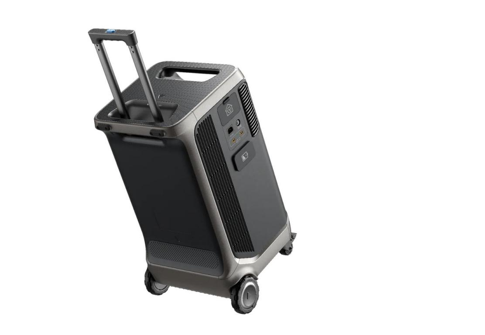
Anker SOLIX portable power stations provide reliable backup, crucial in SHTF situations where grid power is unavailable. These portable units offer efficient energy solutions for powering essential devices and equipment. Lightweight and versatile, they charge through solar panels or conventional means, ensuring consistent power access. By incorporating Anker SOLIX into your preparedness strategy, you enhance resilience against electrical outages, keeping critical operations running smoothly.
Conclusion
Understanding SHTF’s meaning and implications prepares us for life’s unpredictable challenges. Awareness of potential scenarios and preparation empowers us to face adversity head-on. Whether through developing emergency plans, stockpiling essentials, or ensuring reliable backup power, proactively meeting these demands strengthens resilience. As we navigate a complex world, embracing a survival mindset enhances our capacity to thrive amid uncertainty. This guide serves as a starting point for creating a comprehensive preparedness strategy, equipping individuals to handle whatever comes their way.