In a car accident claim, responsibility is determined by identifying the parties whose negligence or actions caused or contributed to the collision. Liability may extend beyond just the driver and can include vehicle owners, employers, manufacturers, or even government entities, depending on the circumstances of the accident.
Understanding who can be held legally responsible is essential for recovering compensation for damages, injuries, and losses. Determining liability is not always straightforward, as multiple parties may share fault under comparative negligence laws followed in many U.S. states.
In many cases, pursuing compensation may involve suing a car insurance company when claims are denied, undervalued, or delayed. Knowing your legal options and the range of responsible parties can significantly impact the outcome of your claim.
Below is a detailed look at how liability works and who may be held accountable in a car accident case.
How Liability Works in Car Accident Claims
Liability in car accident claims is based on negligence, which means proving that a party failed to act with reasonable care, resulting in harm to others. To establish negligence, four elements must typically be proven:
- Duty of care
- Breach of duty
- Causation
- Damages
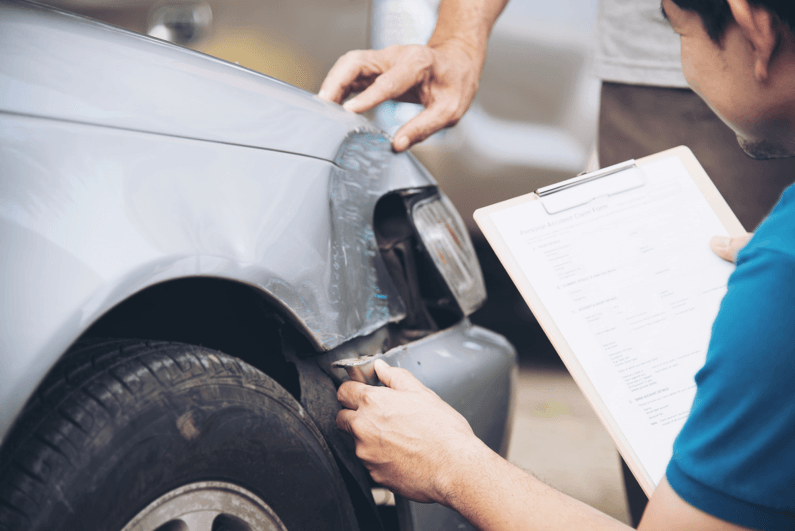
For example, drivers have a duty to follow traffic laws and operate vehicles safely. If a driver runs a red light and causes a collision, they may be held liable for breaching that duty. Evidence such as traffic camera footage, accident reports, and expert testimony is often used to determine fault.
In many states, comparative negligence rules apply, meaning that multiple parties can share responsibility. Compensation may be reduced based on the percentage of fault assigned to each party.
5 Parties Who Can Be Held Responsible in a Car Accident
1. The At-Fault Driver
The most common party held responsible in a car accident is the driver whose negligence caused the crash. This may include reckless driving, speeding, distracted driving, or driving under the influence.
When a driver violates traffic laws or fails to exercise reasonable care, they are typically held liable for resulting damages.
2. The Vehicle Owner
In some cases, the owner of the vehicle may be held responsible, even if they were not driving at the time of the accident. This can occur if the owner knowingly allows an unfit or unlicensed driver to use their vehicle.
Laws regarding owner liability vary by state, but ownership can play a significant role in determining responsibility.
3. Employers of Commercial Drivers
If the at-fault driver was operating a vehicle as part of their job duties, their employer may also be held liable under the legal doctrine of vicarious liability.
For example, trucking companies or delivery services can be responsible for accidents caused by their employees while performing work-related tasks.
See also: Does the Job Demand a Neat Look? Try a Skin Laser Treatment!
4. Vehicle Manufacturers or Parts Suppliers
If a defect in the vehicle or one of its components contributed to the accident, the manufacturer or parts supplier may be held liable under product liability laws. This includes issues such as brake failure, defective airbags, or tire blowouts caused by manufacturing defects.
5. Government Entities
Government agencies responsible for road design, maintenance, or traffic control devices may be held liable if unsafe conditions contributed to the accident.
Examples include poorly maintained roads, missing traffic signs, or malfunctioning traffic signals. Claims against government entities often involve special procedures and shorter filing deadlines.
Key Takeaways
- Liability in car accident claims is based on proving negligence and identifying all responsible parties.
- The at-fault driver is usually the primary party held accountable for damages.
- Vehicle owners and employers may also share responsibility under certain legal conditions.
- Manufacturers can be liable if a vehicle defect contributed to the accident.
- Government entities may be responsible for accidents caused by unsafe road conditions.
- Legal action, including claims against insurers, may be necessary to secure fair compensation.