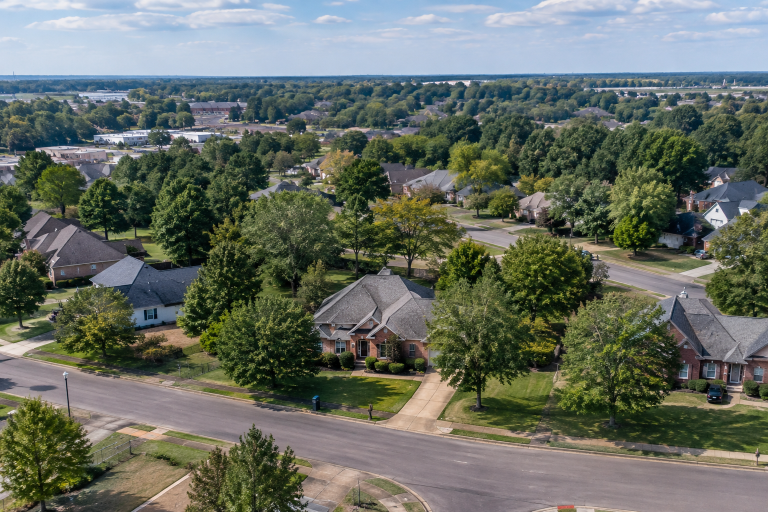
Olive Branch homeowners who need a quicker sale often have more than one path forward. Whether the goal is to relocate, settle an inherited property, reduce repair responsibilities, or simply sell house cash in Olive Branch, MS, the best choice depends on the home’s condition, the deadline, and the amount the seller expects to keep after all costs are paid.
Fast does not automatically mean best. A higher offer can lose its advantage if it requires expensive repairs, months of mortgage payments, repeated showings, or buyer financing that later falls apart. Comparing the complete written terms helps sellers make a clearer decision.
What Makes Olive Branch Different?
Olive Branch is part of the broader Memphis-area economy, but a home sale still follows Mississippi property rules and local closing practices. Buyer interest can vary between newer subdivisions, established neighborhoods, larger-lot properties, and homes near busy roads or commercial growth. A clean, move-in-ready home may appeal to a different group of buyers than a property with visible deferred maintenance.
Before choosing a list price or a closing deadline, consider current competition, nearby new construction, monthly ownership costs, and the amount of work the home needs. Sellers who want a direct-sale option can also compare the terms offered by Big Bob Home Buyer with other realistic paths rather than relying only on a verbal estimate.
See also: Daily Dental Habits for Lifelong Oral Health
Four Ways to Sell a House Quickly
1. Work With a Real Estate Agent
An agent-assisted sale may provide broad marketing exposure, professional photography, showing coordination, pricing guidance, and help with negotiations. This option can suit owners whose homes are presentable and who can allow time for buyers, inspections, appraisals, and lender approval. The highest offer is not always the strongest offer if it carries heavy contingencies or a weak financing profile.
2. Sell For Sale By Owner
Selling without an agent gives the owner more direct control over advertising, access, pricing, and communication. It also places responsibility for buyer screening, scheduling, negotiations, paperwork, and deadline management on the seller. A for-sale-by-owner transaction can still involve title charges, taxes, repairs, buyer concessions, and legal or closing support.
3. List the Property As-Is
An as-is listing tells buyers that the seller does not plan to make agreed repairs as part of the sale. It can reduce preparation work, but it does not guarantee that buyers will skip inspections or avoid requesting credits. Known defects, water intrusion, aging systems, or unpermitted improvements can affect both buyer interest and the price buyers are willing to offer.
4. Consider a Direct Cash Offer
A direct cash sale may be attractive to owners who prefer fewer showings, less repair work, and a potentially shorter path to closing. The tradeoff may be a lower offer than a fully marketed retail sale. Sellers should compare the actual contract terms, not just the headline price or a promise to close quickly.
Timing and Net Proceeds Matter More Than a Headline Offer
Every property has its own timeline, but the common sources of delay differ by sale method:
- Agent-assisted sale: Preparation, showings, inspections, appraisal concerns, repair negotiations, and loan underwriting may extend the process.
- For sale by owner: Marketing reach, buyer qualification, contract preparation, and coordination can take additional seller effort.
- As-is listing: Buyers may need time to assess repair needs and secure financing appropriate for the property condition.
- Direct cash sale: Title issues, contract contingencies, proof of funds, and buyer verification can still affect the closing date.
A more useful comparison is estimated net proceeds: sale price minus repairs, selling costs, closing costs, mortgage payoff, taxes or liens, and carrying costs. Carrying costs can include mortgage payments, insurance, utilities, lawn care, and property taxes while the home remains unsold. Add moving, cleanup, storage, and buyer credits when they apply.
Property Condition and Documents to Prepare
Separate urgent repairs from cosmetic updates. An active roof leak, failed HVAC equipment, unsafe electrical issue, plumbing problem, or structural concern may have a larger effect on a transaction than worn paint or dated fixtures. Obtain written estimates for significant work before deciding whether repairing first is likely to improve the final outcome.
Gather the recorded deed, current mortgage statement, tax notices, homeowners association documents, insurance claim information, repair invoices, warranties, permits, leases, and paperwork connected to probate, divorce, trusts, liens, or code matters. Mississippi sellers of residential property should also review the state’s property condition disclosure forms and determine whether a disclosure requirement or statutory exclusion applies to their transfer.
How to Review a Direct Cash Offer Safely
A cash offer should be evaluated as a complete agreement. Confirm the purchase price, earnest money amount, inspection period, cancellation rights, closing date, title and recording charges, tax allocations, and whether the buyer may assign the contract. Ask for proof of funds when appropriate, and make sure every promise about repairs, occupancy, personal property, or closing costs appears in writing.
Before signing, confirm the legal owner of the home and identify any unpaid taxes, judgments, mortgages, or other recorded claims that could need resolution. Inherited homes, properties affected by divorce orders, and homes held in trusts may require extra review. Use a qualified local closing professional, and do not send wire funds based only on an unexpected email. The CFPB recommends that consumers review closing documents in advance, compare details carefully, and question unexpected changes before signing.
A Simple Decision Guide for Olive Branch Sellers
- Set the deadline. Identify when the home must be sold or when proceeds are needed.
- Assess the condition. List safety issues, major repairs, and cosmetic projects separately.
- Estimate the true costs. Include payoff figures, taxes, liens, repairs, fees, and monthly holding expenses.
- Compare written choices. Evaluate price, timing, contingencies, fees, and cancellation rights side by side.
- Verify the closing plan. Confirm the buyer, title process, settlement professional, and expected signing date.
Final Thoughts
Selling a house quickly in Olive Branch, Mississippi is ultimately a decision about certainty, effort, timing, and net proceeds. Careful preparation, honest property information, written contract terms, and a secure closing process can help sellers move forward with fewer surprises.