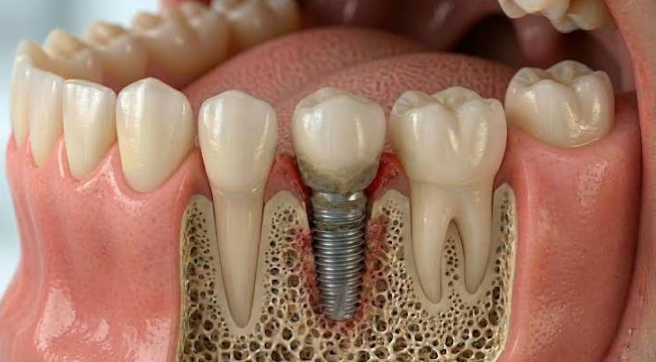
For people in Beaverton, Oregon, replacing a missing tooth can involve more than choosing a crown or implant. The jawbone beneath the empty space must be strong and shaped well enough to support the implant. In some situations, bone regeneration for dental implants may be considered before or alongside implant treatment.
Bone loss is common after tooth loss, infection, or advanced gum disease, but it does not automatically mean dental implants are out of reach. A personalized examination and imaging can help determine whether grafting is needed, whether an implant can be placed without it, or whether another tooth-replacement option makes more sense.
Why Jawbone Condition Matters
A dental implant is placed in the jaw to replace a missing tooth root. Over time, bone can grow closely against the implant surface in a process called osseointegration. For this process to be predictable, the planned implant site must have sufficient healthy bone in the right location.
Bone requirements vary. A front-tooth implant may need careful attention to appearance and gum support, while a back-tooth implant must also withstand substantial chewing forces. The treatment plan should account for bone volume, gum health, bite forces, neighboring teeth, medical history, and the position of structures such as the sinus or lower-jaw nerve.
See also: Regain Control of Your Life With Drug Addiction Treatment
Why Bone Loss Can Develop
After a tooth is removed or lost, the surrounding ridge may gradually change because it no longer receives the same functional stimulation. Gum disease can also damage the tissues and bone that support teeth. The inflammation associated with gum disease can progress without causing severe pain, which is one reason routine dental examinations matter.
Other potential causes of reduced jawbone include infection around a damaged tooth, facial trauma, cysts or tumors, long-term denture wear, and certain medical conditions or medications. A clinician should identify and address the underlying cause before proceeding with implant planning.
Signs an Implant Bone Evaluation May Be Helpful
Symptoms cannot confirm whether grafting is needed, but an evaluation may be worthwhile when:
- A tooth has been missing for months or years.
- An extraction site looks narrow, indented, or sunken.
- A dentist has identified bone loss on an X-ray.
- There is a history of gum disease, dental infection, or injury.
- Dentures have become loose or difficult to stabilize.
- Gums bleed, swell, recede, or remain tender around nearby teeth.
How Available Bone Is Checked
An implant evaluation generally begins with a review of dental and medical history, including medications, tobacco use, diabetes, past gum treatment, and previous healing concerns. The clinical examination assesses the gums, bite, neighboring teeth, and the ridge contours.
Standard dental X-rays can provide useful information, while cone-beam computed tomography, often called CBCT, can provide a three-dimensional view when more detail is needed. This helps the clinician measure available bone and plan around the maxillary sinus in the upper jaw or the nerve canal in the lower jaw. For Beaverton residents who spend time hiking, cycling, or simply enjoying meals with family, careful planning can help prevent a rushed decision about treatment.
When Bone Regeneration May Be Recommended
Bone regeneration may be recommended when there is not enough bone width, height, or favorable shape for the proposed implant. It may also be considered when an implant would otherwise sit too close to a sinus or nerve, or when prior infection or gum disease has created a defect at the site.
In some cases, grafting is completed before implant placement. In others, a small graft and implant can be placed during the same procedure. The appropriate approach depends on the size and location of the defect, the stability available at the time of placement, and the clinician’s assessment of risk.
Common Bone Regeneration Options
Socket Preservation
After an extraction, grafting material may be placed in the socket to help preserve the ridge’s shape as it heals. This can be particularly useful when considering future implant treatment.
Ridge Augmentation
A narrow or shallow ridge can sometimes be built up with grafting material. The goal is to create a more suitable foundation for an implant while, where possible, supporting a natural-looking gum contour.
Sinus Augmentation
In the upper back jaw, the sinus may be close to the planned implant area. A sinus augmentation can create additional room for bone beneath the sinus when clinically appropriate.
Guided Bone Regeneration
This technique may combine grafting material with a barrier membrane. The membrane is intended to protect the healing area and help guide the growth of bone into a focused defect.
What the Process and Healing Period May Involve
After imaging and treatment planning, the area may first need infection control, gum treatment, or tooth removal. The clinician places the selected grafting material, may position a membrane, and closes the gums when needed. Follow-up visits allow the site to be monitored before the next stage of treatment.
Early soreness and swelling often improve within days, but bone healing commonly requires several months. Small socket procedures and larger ridge reconstructions do not follow the same schedule. Implant placement should be based on clinical stability and imaging findings rather than a fixed calendar estimate.
Factors That Can Affect Healing
- Smoking or vaping
- Active gum disease or untreated infection
- Uncontrolled diabetes or other health conditions that affect healing
- Poor plaque control
- Some medications or immune-system concerns
- Teeth grinding or heavy bite forces
- Not following post-treatment instructions
These factors do not necessarily rule out treatment. They can, however, require more planning, medical coordination, gum therapy, or changes to the timing of a procedure.
Long-Term Implant Care Matters
Bone regeneration is only one stage of implant care. Once an implant is restored, daily plaque control, regular professional cleanings, and bite checks can help identify concerns early. Bleeding, swelling, pain, drainage, a bad taste, or a feeling that an implant is loose should be evaluated promptly.
Research into peri-implant disease continues to show why inflammation around implants deserves early attention. A recent discussion of how peri-implant inflammation can contribute to jawbone loss also reinforces that implant problems should not be treated as routine irritation or ignored until symptoms become severe.
Questions to Bring to a Consultation
- How much healthy bone is available at the implant site?
- What likely caused the bone loss?
- Is grafting needed before implant placement, or can both be done together?
- What healing milestones will determine the next step?
- What temporary tooth-replacement options are available?
- What symptoms should prompt a call to the dental office?
- What alternatives are available if an implant is not suitable?
Conclusion
Bone regeneration is not a standard requirement for every implant patient in Beaverton. It is a treatment option used when the jaw needs additional support, shape, or healing before an implant can be placed safely and predictably. A detailed examination, appropriate imaging, and an individualized plan offer a far more reliable answer than an online checklist or a one-size-fits-all timeline.