Key Takeaways
- Henrico siding should be selected with exposure to heat, moisture, rain, and wind in mind.
- Vinyl, fiber cement, wood, and composite products all involve different tradeoffs in appearance, maintenance, and installation.
- Flashing, trim, caulk, and wall-condition checks are just as important as the siding panels themselves.
- A storm inspection can help catch loose materials and possible water entry before a small problem grows.
- Routine cleaning and seasonal checks can support a longer-lasting exterior.
Choosing siding in Henrico, Virginia, means looking beyond color and curb appeal. Summer heat, humid air, heavy rain, and storm-driven wind can expose weaknesses in an exterior over time. Homeowners evaluating siding replacement Henrico VA can review Regal Home Improvement’s Henrico-focused service page for information on replacement siding, trim upgrades, material options, and exterior installation services. Regal Home Improvement serves Henrico and the greater Richmond area, making its experience with local exterior remodeling considerations relevant to homeowners planning a careful, weather-conscious project.
Why Henrico Weather Matters When Choosing Siding
Henrico homes experience changing conditions throughout the year. Bright summer sun can affect the appearance of exposed walls, while humidity and rain can reveal gaps in caulk, trim, or flashing. High winds may loosen already failing panels, especially near rooflines, corners, and exterior fixtures. Homeowners should use the Henrico County forecast and weather alerts from the National Weather Service before scheduling exterior work and after severe conditions pass through the area.
Moisture deserves special attention. Water that gets behind siding may affect sheathing, insulation, trim, and interior finishes before the issue is visible from indoors. Persistent mildew, peeling paint, stained walls, or a musty odor are reasons to investigate the source rather than simply cover the symptoms.
Signs a Henrico Home May Need New Siding
Not every exterior issue requires full replacement, but a pattern of failures can signal that repairs are no longer the most practical approach. Look for:
- Cracked, split, warped, or missing siding panels
- Peeling paint that returns soon after repainting
- Soft spots around walls, window trim, or door trim
- Loose sections after strong wind or heavy rain
- Repeated caulk failures around windows, doors, or penetrations
- Water stains, mold growth, or persistent musty odors
- Frequent repairs to aging siding and exterior trim
Compare Common Siding Materials
Vinyl Siding
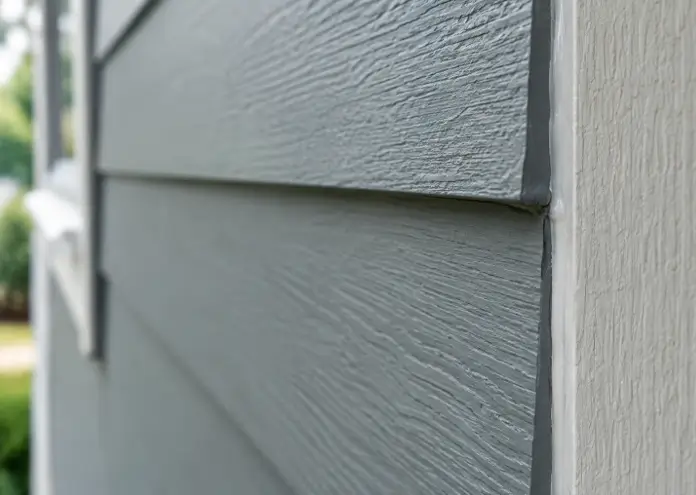
Vinyl is widely chosen for its low-maintenance surface, range of colors, and variety of profiles. It does not require routine painting, but it should still be installed with room for normal expansion and contraction. Ask about color retention, panel thickness, impact resistance, and whether insulated backing is appropriate for the home.
See also: Modern Commercial Installation Solutions for Efficient Business Growth
Fiber Cement Siding
Fiber cement can suit homeowners who prefer a painted, more traditional exterior appearance. It is commonly valued for its resistance to rot and insects, but it is heavier than vinyl and requires precise cutting, fastening, clearances, and paint or finish maintenance. Installation details should follow the product manufacturer’s requirements.
Wood Siding
Wood brings natural warmth and architectural character to cottages, colonials, and older homes. It also needs consistent care. Regular painting or staining, prompt repair of damaged boards, and close attention to joints, end grain, and trim help limit moisture-related deterioration.
Composite and Engineered Siding
Composite and engineered options can provide a wood-like appearance with a different maintenance profile. Compare the product warranty, moisture-management instructions, available trim pieces, impact performance, and the repair or replacement of individual damaged boards.
Match Siding to the Home’s Location and Style
A ranch home near Lakeside may call for a different profile and color balance than a taller home in Short Pump, Glen Allen, or Tuckahoe. Consider the roof color, existing brick or stone, porch columns, shutters, gutters, and window trim as one exterior composition. The best choice usually complements permanent features rather than chasing a short-lived trend.
Lighter shades can create a bright, open look on sunny exposures, while darker colors can add contrast and visual depth. Before choosing either, view samples outside at different times of day. A color that looks balanced under showroom lighting can appear much different against Henrico sunlight, landscaping, and neighboring homes.
Storm Damage Deserves a Careful Inspection
After a strong storm, inspect the exterior from the ground. Look for displaced panels, dents, exposed wall surfaces, damaged corner pieces, bent flashing, or debris resting against the house. Check windows and doors for new gaps or signs of water entry. Avoid climbing ladders, pulling panels apart, or working near downed limbs or electrical hazards without appropriate training.
If damp materials or visible mold are present, the priority is to find and correct the water source. The EPA’s guidance on controlling moisture and mold in a home reinforces the importance of drying wet areas and addressing any underlying leaks or intrusions.
Installation Details That Protect the Home
Siding is one part of a complete wall system. A thoughtful project should include removal of failing materials, inspection for damaged sheathing, and clear plans for flashing around windows, doors, roof intersections, and exterior fixtures. The crew should also account for vents, hose bibs, light mounts, utility lines, and transitions between siding and masonry.
Fasteners should be installed correctly, panels should be properly spaced, and trim should direct water away from vulnerable openings. Before work begins, request a written scope that identifies the siding material, trim work, any needed repairs if hidden damage is found, cleanup expectations, and workmanship warranty coverage.
Questions to Ask Before Signing a Contract
- Which material best fits this home’s exposure, style, and maintenance goals?
- Will the wall surface be checked for rot or moisture damage after the old siding is removed?
- How will flashing and sealing be handled around windows, doors, and fixtures?
- What work is covered by the workmanship warranty?
- Who handles permits, debris removal, and final cleanup?
- How will weather delays or unexpected repairs be communicated?
Simple Siding Maintenance for Every Season
In spring and fall, walk around the home and check for loose panels, failed caulk, blocked gutters, and branches touching the walls. Wash siding gently according to the manufacturer’s care instructions, and avoid aggressive pressure washing that may damage finishes or force water behind panels. Keep mulch and soil from building up against the siding, and address small repairs promptly.
Conclusion
The right siding choice for a Henrico home balances weather performance, maintenance needs, appearance, budget, and installation quality. By carefully inspecting the exterior, asking detailed questions, and selecting materials that suit both the home and its surroundings, homeowners can make a more confident long-term investment.