Restaurants in Canada are no longer competing only on food quality, location, or word-of-mouth. Customers now discover places to eat through Google searches, social media, review platforms, delivery apps, online menus, paid promotions, email offers, and branded ordering channels. This is why digital marketing for restaurants has become central to customer acquisition, especially for independent restaurants, quick-service brands, ghost kitchens, and small to mid-sized food businesses trying to stand out in crowded local markets.
The shift is clear across Canada’s foodservice industry. Restaurants Canada’s 2025 dining trends report points to digital-first behavior, digital couponing, and Gen Z’s influence as signs of how customer expectations are changing. It also notes that younger customers are shaping how restaurants think about discovery, offers, and digital engagement.
For restaurants, this means customer acquisition is no longer about waiting for foot traffic. It is about being visible at the exact moment a diner is searching, scrolling, comparing, or deciding what to order.
What Customer Acquisition Means for Restaurants Today
Customer acquisition refers to the process of attracting new diners and turning them into paying customers. In the past, this often depended on street visibility, flyers, local newspaper ads, signage, or personal recommendations.
Those methods still have value, but they are no longer enough on their own. A customer may pass by a restaurant every day and still check Google reviews before visiting. A family may see a restaurant on Instagram and order online before ever dining in. A student may choose a restaurant because of a limited-time offer sent through email or a mobile notification.
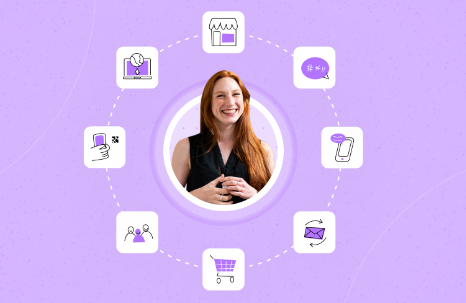
Modern restaurant acquisition depends on multiple touchpoints:
- Search visibility
- Social media content
- Online reviews
- Local ads
- Direct online ordering
- Loyalty offers
- Website experience
- Mobile ordering
- Email campaigns
- Branded promotions
Each touchpoint helps move a customer from awareness to action.
Why Digital Visibility Matters More Than Ever
Most customers do not start with a restaurant name. They start with intent. They search for “best pizza near me,” “family restaurant nearby,” “late-night food delivery,” or “takeout near me.” If your restaurant does not appear in those moments, you may lose the customer before they even see your menu.
Digital visibility helps restaurants appear when customers are already looking for food. This is different from traditional advertising, where the restaurant pushes a message and hopes someone remembers it later.
A strong digital presence allows restaurants to show up through:
- Google Business Profile
- Restaurant website
- Online ordering pages
- Social media profiles
- Customer reviews
- Local search ads
- Delivery and pickup listings
- Menu pages
- Blog or location-based content
iOrders’ digital marketing page positions its service as a restaurant-focused solution that centralizes marketing into one dashboard and supports online growth through managed campaigns, targeted marketing, and customer engagement tools.
For restaurants with small teams, this matters because marketing often gets pushed aside during busy service hours. A connected platform makes customer acquisition more manageable.
Social Media Is Becoming a Discovery Engine
Social media is no longer only a place for brand awareness. It directly influences ordering behavior. DoorDash Canada reported in 2025 that almost half of Canadians had ordered a trending restaurant item they saw on social media for delivery, with Gen Z even more likely to try viral food items.
This is important because restaurants can now acquire customers through visual appeal. A strong photo of a burger, a short reel of a dessert, a behind-the-scenes kitchen clip, or a customer reaction video can create immediate interest.
Social media works especially well for restaurants because food is highly visual. Customers want to see:
- Portion size
- Presentation
- Freshness
- Menu variety
- Ambience
- Offers
- Limited-time items
- Customer experiences
However, posting randomly is not enough. Restaurants need a plan that connects social content to action. That action may be an online order, a table reservation, an offer redemption, an app download, or a loyalty sign-up.
Reviews Have Become Part of Acquisition
Before trying a new restaurant, customers often check reviews. A restaurant with strong ratings, recent responses, and visible customer feedback builds confidence before the first order.
Review management is now a customer acquisition tool. A poor review response can turn away future diners. A thoughtful response can show professionalism and care. Positive reviews can increase confidence, especially for first-time customers.
Digital marketing helps restaurants manage this more proactively by monitoring feedback, identifying patterns, and responding faster. iOrders’ restaurant marketing resources highlight AI-powered review tools as part of a broader approach to understanding customer preferences, satisfaction, and opportunities for improvement.
The goal is not to hide negative feedback. It is to use reviews as a public signal that the restaurant listens, improves, and values customers.
Direct Ordering Helps Convert Interest Into Revenue
Customer acquisition does not end when someone sees your restaurant online. The next step must be easy. If customers have to search too long for a menu, call during a rush, or deal with a confusing ordering page, they may leave.
Direct online ordering reduces that friction. A customer can move from interest to order without switching between too many platforms.
iOrders offers commission-free online ordering and branded digital solutions for restaurants, helping restaurants accept orders directly instead of depending entirely on third-party platforms. Its digital marketing planning content also emphasizes online ordering, mobile strategy, loyalty programs, and review management as connected parts of a restaurant’s customer journey.
For restaurants, this creates a stronger acquisition path:
- Customer sees content
- Customer visits the website or app
- Customer checks menu
- Customer places an order directly
- Customer receives follow-up offers
- Customer returns through loyalty or email campaigns
This turns acquisition into a repeatable system instead of a one-time sale.
Why Targeted Campaigns Work Better Than Generic Promotion
Restaurants often waste money on broad promotions that reach people who are unlikely to order. Digital marketing allows more targeted campaigns.
A restaurant can segment customers by:
- Location
- Order history
- Favorite menu items
- Visit frequency
- Average order value
- Time of day
- Birthday or occasion
- Coupon usage
- Past engagement
This makes campaigns more relevant. A customer who often orders lunch may receive a weekday lunch offer. A family customer may receive a weekend combo promotion. A lapsed customer may receive a reactivation discount.
iOrders’ digital marketing service highlights precision-targeted marketing campaigns and segmented customer lists, along with timing-optimized send schedules for messages designed to support reservations and orders.
For customer acquisition, relevance matters. A generic discount may get ignored. A timely offer based on customer behavior is more likely to drive action.
Customer Data Is Becoming a Competitive Advantage
Third-party platforms can introduce restaurants to new customers, but they often limit access to customer data. That makes it harder for restaurants to build direct relationships after the order.
A restaurant-owned digital marketing system gives operators more control over data such as:
- Customer contact details
- Order frequency
- Menu preferences
- Repeat purchase behavior
- Coupon response
- Feedback trends
- Delivery or pickup patterns
This data helps restaurants make smarter decisions. Instead of guessing what customers want, they can build campaigns around real behavior.
For example, if a restaurant sees that vegetarian dishes perform well on weekends, it can create targeted weekend offers. If late-night orders are increasing, it can promote a special after-hours menu. If customers order family combos often, it can create family-focused campaigns.
Why Restaurants Need a Connected Marketing System
Many restaurants use separate tools for social media, email, ordering, reviews, promotions, and loyalty. That creates extra work. Owners and managers have to switch between platforms, export data, check reports manually, and coordinate campaigns across systems.
A connected digital system reduces that burden.
iOrders positions its digital marketing solution around a single dashboard for restaurant marketing control, helping restaurants centralize marketing strategy and reduce complexity.
For restaurants with lean teams, this is practical. The owner or manager may already be handling staffing, food costs, delivery issues, supplier communication, and customer service. Marketing has to be organized enough to work without becoming another full-time operational burden.
How Restaurants Can Improve Customer Acquisition With Digital Marketing
A practical customer acquisition strategy should begin with the basics and then become more advanced over time.
Restaurants can start with:
- A clear website with updated menu and ordering options
- Optimized Google Business Profile
- Consistent social media content
- Review monitoring and responses
- Direct online ordering
- Email and SMS capture
- Targeted first-order offers
- Loyalty program setup
- Local paid campaigns
- Monthly reporting
The key is consistency. Digital marketing does not work well when restaurants post heavily for two weeks and disappear for a month. Customer acquisition improves when the restaurant stays visible, relevant, and easy to order from.
Conclusion
Digital marketing is changing customer acquisition for restaurants because diners now discover, compare, and order through digital channels. Restaurants that depend only on walk-ins or third-party platforms risk missing customers who are searching, scrolling, and ordering online every day.
For Canadian restaurants, the opportunity is to build a direct, measurable customer acquisition system. That means combining search visibility, social media, reviews, direct ordering, loyalty, and targeted campaigns into one connected strategy.
iOrders supports this shift with restaurant-focused digital marketing tools, commission-free ordering, smart campaigns, loyalty programs, and managed services designed to help restaurants attract and retain customers. For operators who want stronger customer relationships and more control over growth, digital marketing is no longer optional. It is part of how restaurants compete.