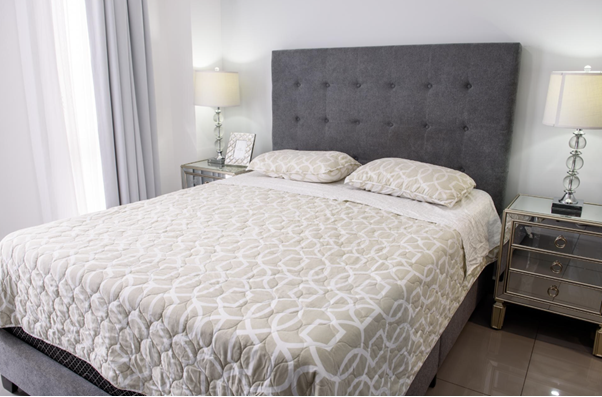
A bedroom does not need a full redesign to feel new. Small changes often do more. One of the easiest updates comes from duvet covers. They sit at the center of the bed and naturally draw attention. Change the cover, and the whole room shifts with it.
The idea is simple. Build layers. Keep balance. Let the bed look inviting, not overdone.
Start with the Right Base
Everything starts with sheets. They affect comfort and appearance. Cotton and linen remain reliable choices in duvet covers. They breathe well and feel soft over time.
White sheets always work. They feel clean and sharp. Soft shades also look great. They add warmth without distraction. Fit matters just as much. Deep-pocket sheets hold better, especially on thicker mattresses.
A neat tuck changes the look. Clean corners give structure. The bed starts to feel intentional.
See also: What to Expect from a Complete Home Automation Installation Process
Build around the Duvet Cover
Styling the duvet cover does most of the visual work. It can stay subtle or take the spotlight.
Neutral covers create a calm setting. They suit most interiors and stay relevant across seasons. Bold tones, like deep blue or green, add weight and mood. Patterns bring personality. Florals feel soft. Geometric prints feel sharp.
Texture matters as well. Linen looks relaxed. Velvet feels rich. Quilted surfaces add depth without extra layers.
Placement is key. Spread the duvet evenly. Let it fall equally on both sides. Fold the top section slightly to reveal the sheets beneath. This creates contrast and keeps the bed from looking flat.
Create Volume and Shape
A flat bed rarely looks inviting. Volume changes that.
One simple trick is to use a slightly larger insert inside the cover. It fills the edges and gives a fuller shape. Another method is doubling lighter inserts for a loftier feel.
Fluffing the duvet takes seconds but makes a difference. It helps the bed look soft and ready, not stiff.
Layer with Intention
Layers should feel purposeful.
- A quilt or light blanket adds texture. It also breaks up the surface of the duvet.
- Throws work best at the foot of the bed. They can be folded neatly or draped casually. This adds contrast without making the setup feel crowded.
- A bed runner can also be used for a cleaner look. It adds a strip of detail without taking over the design.
Style Pillows with Balance
Pillows shape the upper half of the bed.
Start with the larger ones at the back. Standard sleeping pillows come next. Decorative cushions sit in front.
Avoid crowding. Three or five accents usually feel enough. Mix textures, not chaos. Linen, cotton, or subtle embroidery keeps things refined.
Stay Within a Clear Palette
Too many shades can break the look. Stick to two or three tones. Let one lead, while others support.
Neutrals create a base. Accent colors bring life. A single bold throw or cushion can shift the mood without changing everything.
Matching curtains or rugs helps the room feel connected. It does not need to be exact. Just close enough to feel planned.
Adjust with the Seasons
Light fabrics suit warm months. Cotton and linen keep things breathable. Colors can stay soft and airy.
Colder months call for heavier materials. Think flannel or thicker weaves. Deeper tones add warmth and comfort.
Swapping duvet covers throughout the year keeps the room fresh without effort.
Finish with Small Details
A styled bed is not only about layers. Small touches matter.
A tray placed neatly can add charm. A folded throw adds ease. Smooth out wrinkles before stepping away. These habits keep the look consistent.
Summing It Up
Styling a bed is not complicated. It is about clarity and restraint. Start with good sheets. Choose the right duvet covers. Add layers with care. Keep the palette controlled.
The result feels calm and looks complete, ensuring your bedroom has a welcoming vibe for anyone.