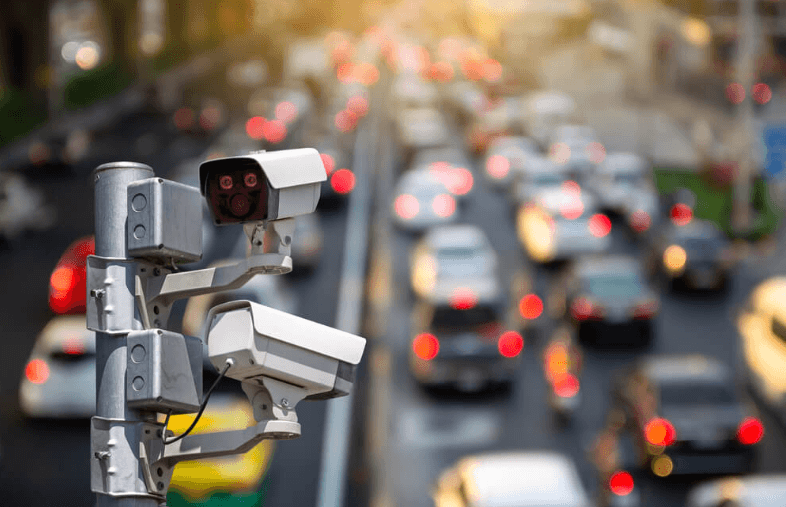
Crash claims often rest on moments that vanish before anyone can study them closely. Drivers remember different sequences, passengers catch only fragments, and roadway marks can wash away before review begins. Traffic camera footage adds a timed visual record that helps investigators test those competing accounts. A strong clip may show signal color, lane placement, braking response, vehicle spacing, and driver conduct before impact, giving the fault analysis a firmer footing.
Why Video Matters
Liability disputes often shift once a recording shows movement before contact, rather than damage after impact. In Rhode Island, a Providence car accident lawyer may move quickly to secure municipal or private footage before it is automatically overwritten. That early request carries weight when recollections clash, surface marks fade, witnesses disagree on sequence, or an insurer questions signal phase, travel lane, stopping distance, speed, or contact angle.
What Cameras Reveal
Intersection systems may capture a driver entering on red, crossing a lane line, or turning from an improper position. Some recordings also show the following distance, which helps analysts assess rear-end allegations. Nearby storefront cameras can add a second view. Taken together, those angles may establish sequence with greater reliability than memory alone, especially during rainfall, dusk, or congested evening travel when visual perception becomes less dependable.
Timing Counts
A dependable timestamp can shape the full fault review. Investigators compare the camera clock with emergency calls, dispatch entries, and, if available, vehicle data. Close alignment strengthens confidence in the recording. Timing also helps measure reaction opportunity. When a motorist has several seconds to brake, yield, or avoid a pedestrian, that interval can weaken a later claim that nothing could be done.
Position Tells A Story
Fault often turns on where each vehicle sat just before the collision. Camera images may show a car crossing the center line, stopping beyond a limit bar, or backing into active traffic. That spatial record matters in side-impact claims, left-turn disputes, and parking lot exits. Even without sound, frame review can expose unsafe merging, unlawful entry, or improper passing near a busy junction.
Witness Accounts Can Break Down
People under stress usually store sensory fragments, rather than a clean timeline. One driver may remember a horn, while another recalls only sudden headlights. Pedestrians often look up after impact instead of during approach. Video helps sort those gaps without leaning too heavily on confidence. When several witnesses disagree, a clear street recording can show who moved first, who paused, and who ignored traffic control.
Footage Still Has Limits
Recordings can be persuasive, yet they rarely answer every question by themselves. A fixed lens may miss a blind corner, obscure a turn signal, or compress distance in ways that distort judgment. Rain can blur plate numbers, and shadow may hide brake lights. Some systems keep only short clips. For that reason, lawyers compare videos with photographs, repair patterns, medical findings, and officer observations.
See also: Modern Commercial Installation Solutions for Efficient Business Growth
Preservation Is Critical
Many camera systems overwrite stored files quickly, sometimes within days. That short retention window makes early action important after a serious crash. A preservation letter can request that a city, business, or property owner retain relevant footage before routine deletions. Counsel may also seek maintenance logs, camera diagrams, and chain-of-custody records. Those materials help answer later claims about authenticity, editing, or unexplained gaps.
Experts Often Fill The Gaps
When liability remains contested, reconstruction professionals may use footage to estimate speed, spacing, and sightlines. They compare fixed objects, signal cycles, and road markings with recorded movement. That method can strengthen opinions about avoidability and driver attention. Courts and insurers often give greater weight to video when a qualified expert explains what the images support, what remains uncertain, and why those limits affect interpretation.
Conclusion
Traffic camera footage can turn a disputed crash claim into a more grounded factual review. It helps show signal status, lane placement, reaction time, and event order with a precision that memory rarely provides under stress. Still, the strongest case usually combines preserved video with scene photographs, witness statements, and technical analysis. When gathered early and interpreted carefully, camera evidence can play a major role in proving fault.