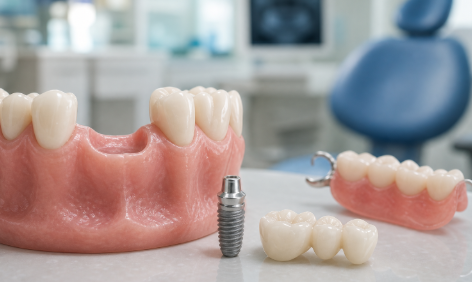
Losing teeth changes more than your smile. It changes how you eat, how clearly you speak, and sometimes how comfortable you feel in a room full of people. If you are stuck deciding between dentures and implants, talking with a dental implant dentist in Fresno may help you weigh comfort against cost, speed against long term value, and hope against a little fear. That tension is real. Both options can restore function and confidence, but they do it in very different ways.
The right choice usually comes down to six things: your bone and gum health, your budget, how much maintenance you can handle, how fast you want results, how stable you want your teeth to feel, and what your long term plan looks like. A skilled denture and implant dentist can help you sort through those details without pushing you toward a one size fits all answer.
Your Oral Health Sets the Ground Rules for Dentures and Implants
Dental implants need enough healthy jawbone to support the post. If you have been missing teeth for a while, the bone may have shrunk, which can limit your options or add steps like bone grafting. The FDA explains the basics of implant treatment, benefits, and risks in this guide on what you should know about dental implants.
Dentures do not require the same amount of bone support, which makes them more accessible for many people. Full or partial dentures can replace missing teeth without surgery, though fit and retention depend heavily on the shape of your gums and jaw. MedlinePlus offers a plain language overview of dentures and how they work.
If your gums are inflamed, if you grind your teeth, or if untreated decay is still present, those issues need attention first. This is one of the most overlooked tips for choosing between dentures and implants. The choice is not just about what you want. It is also about what your mouth can support safely.
Daily Comfort Often Decides More Than Price
People often start with cost because the numbers are easy to compare. Living with the result is harder to measure, and it matters more once treatment is done. Dentures can work very well, but some people never like the feeling of a removable appliance. They may notice movement while chewing or need adhesive to improve hold. Others adjust quickly and are relieved to avoid surgery.
Implants tend to feel more like natural teeth because they are anchored in the jaw. That stability can make eating easier, especially with firmer foods. The University of Rochester Medical Center outlines practical benefits and limits in this article on considering dental implants.
If you already know that loose or removable teeth would bother you every day, pay attention to that reaction. It is not vanity. It is quality of life.
Upfront Cost and Long Term Value Tell Different Stories
Dentures usually cost less at the start. That can make them the realistic choice when money is tight, and there is no shame in that. Many people need a workable solution now, not an ideal solution later.
Implants usually cost more because they involve surgery, healing time, and custom restoration. The higher price can still make sense if you want something fixed in place and durable over many years. Dentures may need relines, repairs, or replacement as your mouth changes. Implants also need maintenance, but they often offer stronger long term stability.
This is where many people get stuck. Paying less today can mean more adjustment over time. Paying more now can reduce future frustration. A good tooth replacement options consultation should include both timelines, not just one estimate.
Healing Time and Treatment Pace Affect Real Life
Dentures can often be made faster than implants. If you need teeth replaced soon for work, family events, or day to day function, that matters. You may still need follow up visits for fit changes, especially after extractions.
Implants usually take longer. The implant must integrate with bone, and some cases need extra procedures before the final tooth is placed. If you are hoping for a fast finish, the timeline can feel frustrating. If you are focused on long term feel and function, the wait may feel worth it.
This is one of the most practical dentures vs implants tips. Your life does not pause during treatment. The better option is often the one that fits your schedule, healing capacity, and stress level.
A Side by Side Look at Dentures and Implant Treatment
| Factor | Dentures | Implants |
|---|---|---|
| Upfront cost | Usually lower | Usually higher |
| Surgery required | No | Yes |
| Treatment time | Often faster | Often longer |
| Stability while eating | May shift or loosen | Usually more secure |
| Bone support needed | Less | More |
| Cleaning routine | Remove and clean daily | Brush and floss like fixed teeth, with professional follow up |
| Jawbone preservation | Does not directly preserve bone | Helps stimulate bone |
The Best Choice Depends on Your Long Term Priorities
If your main goal is affordability and a non surgical path, dentures may fit. If your main goal is stability and a more natural feel, implants may fit better. Some people do best with a middle ground, such as implant supported dentures, which can improve retention without replacing every tooth with a separate implant.
The phrase implant or denture decision sounds simple, but the real decision often includes tradeoffs in healing, maintenance, and future dental work. That is why generic advice falls short. Your mouth, health history, and daily habits matter more than broad claims.
Three Steps You Can Take Right Away
1. Write down what bothers you most. Is it chewing, appearance, looseness, pain, or cost? A clear list helps you and your dentist focus on the result that matters most to you.
2. Ask for a full exam with imaging. You need to know whether your bone, gums, and remaining teeth support implants, dentures, or a mix of both. Guessing wastes time and money.
3. Compare the five year picture, not just the starting fee. Ask about adjustments, repairs, relines, replacement timing, cleaning needs, and follow up visits. A lower quote can become the more expensive path if it needs frequent fixes.
You do not need to figure this out by instinct. You need clear facts, an honest exam, and a plan that fits your life. The right denture and implant dentist will explain your options in plain language and help you choose with confidence, not pressure.