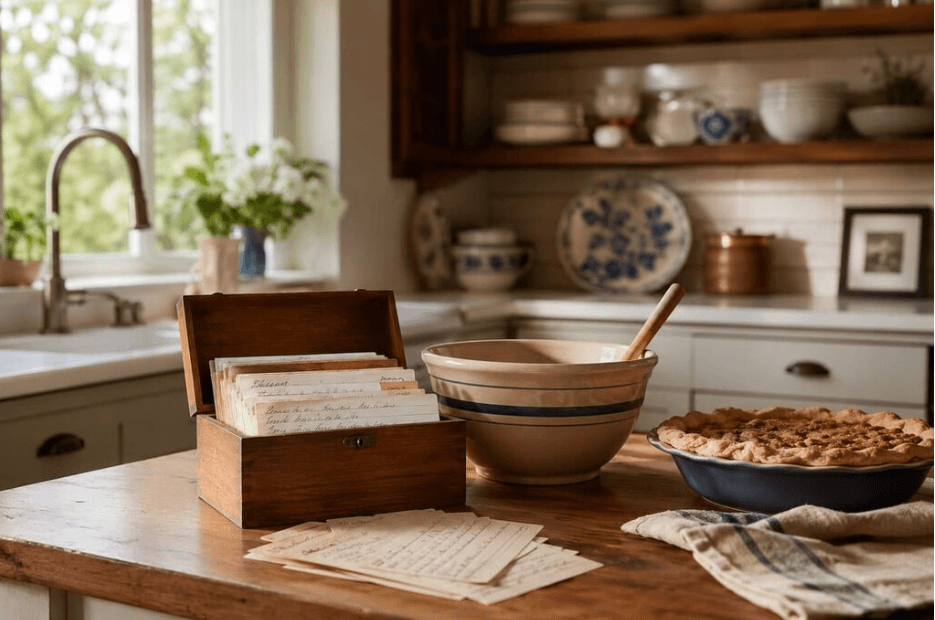
Every family has one. A recipe box with handwriting from three different generations crammed onto index cards. A specific mixing bowl that only comes out for one particular dessert. A cabinet shelf that has always, without anyone deciding it formally, been where the good dishes live. These small, specific details rarely make it into renovation planning conversations, yet they are often the emotional core of what makes a kitchen feel like home rather than just a functional room.
When families renovate, the instinct is to focus entirely on the future: what the space will look like, how it will function, what modern conveniences it will include. What gets lost in that forward-looking process is a quieter question that matters just as much. What happens to the physical anchors of our family’s history when the room around them changes?
Why Physical Objects Carry Memory So Powerfully
Psychologists who study memory have long understood that physical objects act as retrieval cues, triggering detailed recollections that would otherwise stay dormant. A recipe card is not just a set of instructions. Holding it, seeing the handwriting, noticing where the paper has softened from decades of flour-dusted hands, activates a cascade of associated memories: who taught you to make this dish, what the kitchen smelled like on the day you learned, conversations that happened while it was cooking.
This is why so many families resist getting rid of specific kitchen items even when they no longer make practical sense. A chipped mixing bowl that could easily be replaced by something newer and better designed still holds a place on the shelf because replacing it would sever a physical connection to whoever used it before.
Designing Space That Honours These Objects
The good news is that thoughtful kitchen design does not have to choose between modern function and honouring family history. It simply requires intentionality about where these meaningful objects will live in the new space.
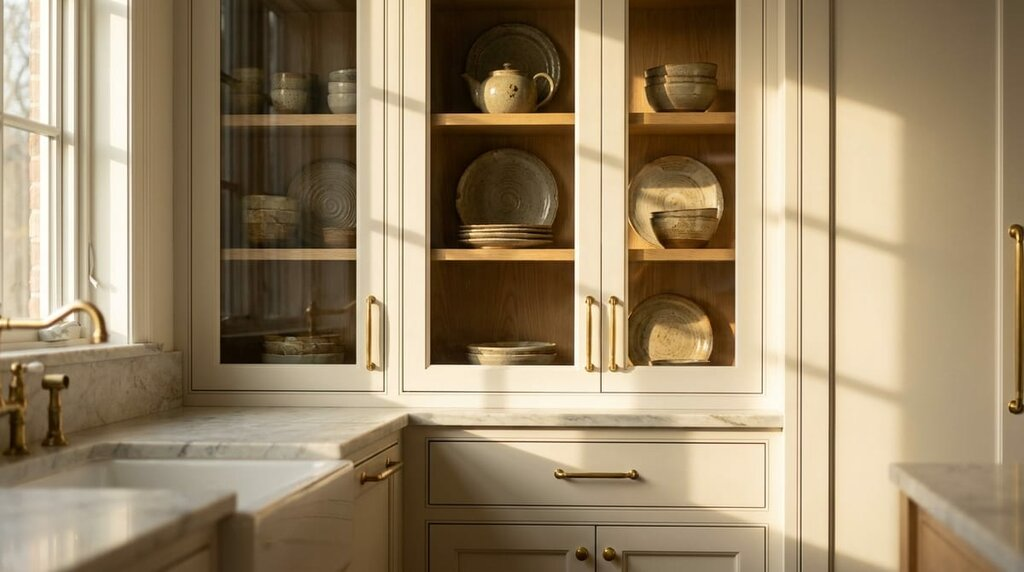
Open shelving, rather than closed upper cabinets, is one of the simplest ways to give heirloom dishware, treasured mixing bowls, or a grandmother’s teapot collection a visible place of honour rather than tucking them away behind a door. A single glass-front cabinet among an otherwise closed upper cabinet run achieves a similar effect with more protection from dust.
A dedicated recipe nook, even a shallow drawer or a small designated shelf near the primary work area, gives a family’s handwritten recipe collection an actual home rather than a shoebox in a closet. Some families incorporate a corkboard or small display area specifically for rotating in cards and photos tied to whatever is being cooked that week.
The Farmhouse Table as Anchor
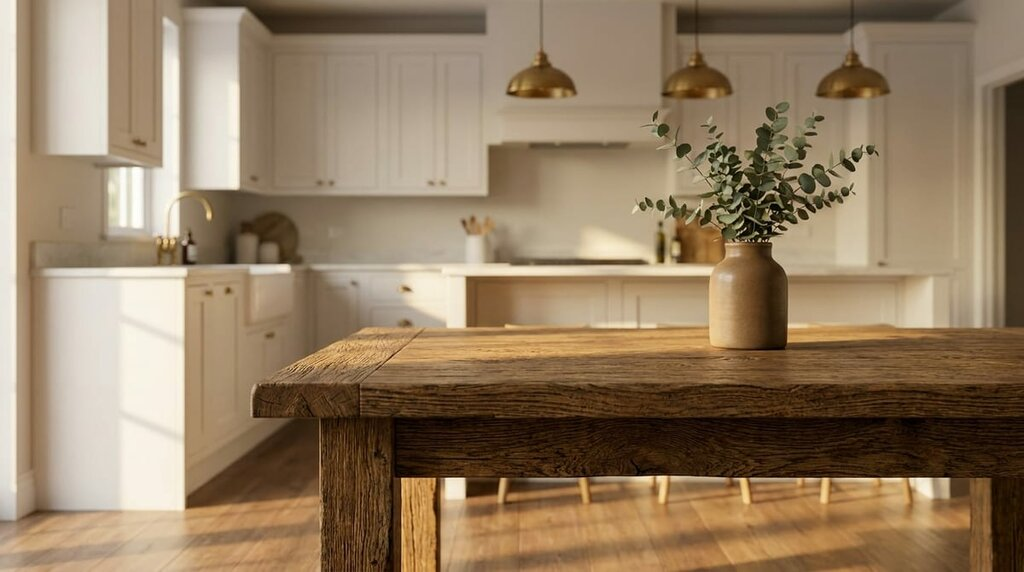
Many families choose to centre a renovated kitchen around a farmhouse-style table rather than a purely functional island, specifically because the table format invites the kind of gathering that built family memories in the first place. A table where children did homework, where holiday meals stretched for hours, where difficult conversations happened alongside easy ones, carries weight that a minimalist island with bar stools does not replicate in quite the same way.
Bringing this piece forward into a new kitchen design, whether it is the actual original table refinished or a new piece built in the same warm, gathering-oriented spirit, helps preserve continuity between a family’s past and its next chapter in the same home.
Multi-Generational Kitchens
Immigrant families and multi-generational households in particular often design kitchens with intentional space for cultural continuity. This might mean a spice storage system built around ingredients specific to a family’s heritage, a larger stovetop configuration that accommodates traditional cooking methods requiring multiple simultaneous pots, or decorative elements, like patterned cabinet accents or tile work, that reference a family’s cultural background directly within an otherwise modern kitchen.
These design choices do more than create a functional space. They actively communicate to the next generation that their heritage has a physical place in the home, not just a verbal or occasional presence during holidays.
The Renovation Itself Becomes a Memory
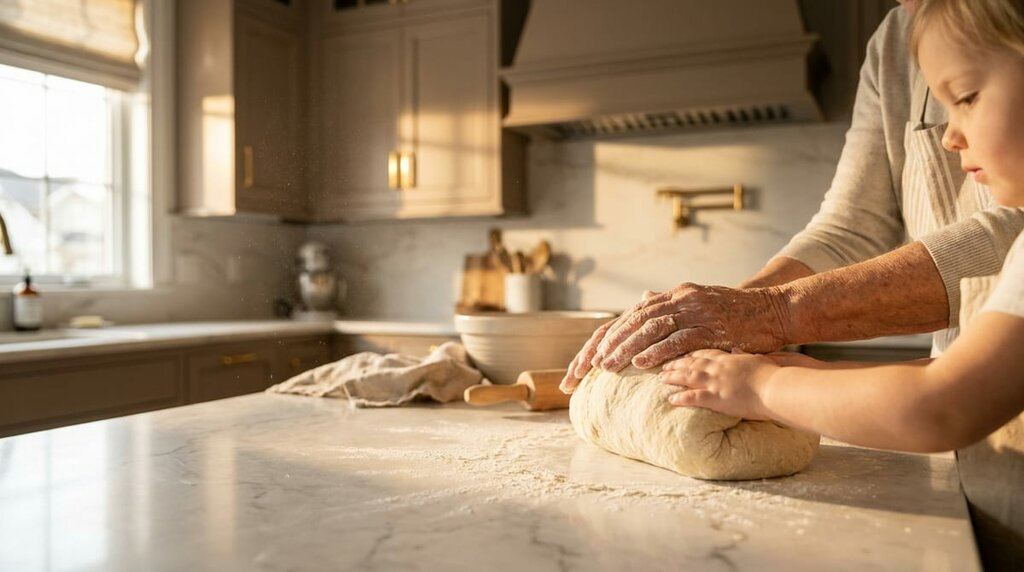
There is also something worth naming about the renovation process itself. Choosing cabinet finishes together as a family, debating countertop colours over dinner, the mixture of excitement and slight grief when a beloved but worn kitchen finally comes down, and the particular joy of the first meal cooked in a finished space: these moments become their own layer of family history, added on top of whatever memories the previous kitchen held.
Companies that understand this emotional dimension of kitchen design approach the process differently than a purely transactional cabinet sale. Morsun Cabinetry, working out of its Richmond Hill showroom, spends time with families discussing not just layout and finish but how the space will actually be used and by whom, which shapes practical decisions like where display shelving goes or how much dedicated storage a family’s specific traditions require.
See also: Create a Warm Home with the Perfect Living Room Rug
Photographing the Old Kitchen Before It Goes
Families who have been through a kitchen renovation often mention one thing they wish they had done more deliberately: photographing the old kitchen thoroughly before demolition, not in a staged, magazine-ready way, but in its actual lived-in state. The cluttered counter mid-recipe. The step stool a child used to reach the counter. The specific configuration of magnets and photos on the refrigerator door.
These unglamorous photographs end up mattering more over time than any professional real estate photo of the finished space, because they capture the room as it actually existed during the years that family memories were made in it.
Carrying Forward, Not Starting Over
A kitchen renovation does not have to mean starting over emotionally, even when it means starting over physically. With intentional planning, the objects, spaces, and gathering rituals that made the previous kitchen meaningful can find a place in the new one, layered onto a foundation that will support the next fifteen or twenty years of family life. The renovation becomes a continuation of the family’s story rather than an interruption of it, which is exactly what the best kitchen design should accomplish.
Involving Children in the Process
Families with children sometimes discover that including kids in small, age-appropriate decisions during a renovation adds another layer of meaning to the finished space. Letting a child choose the colour of a single accent detail, or asking older kids for input on where the snack drawer should live, gives them a sense of ownership over a space they will spend years growing up in. Years later, that specific memory, of being asked, of feeling like their opinion mattered in shaping the family’s home, often outlasts almost anything else about the renovation itself.
Some families go a step further and create a small, hidden time capsule somewhere in the new construction: a note, a photograph, or a drawing tucked behind a cabinet kick plate or inside a wall before it closes up. It is a small gesture, invisible once the project is finished, but it adds an intentional layer of memory-making to a process that can otherwise feel purely logistical.
When Memories and Practicality Pull in Different Directions
It is worth acknowledging honestly that preserving every meaningful object or ritual is not always practical. Sometimes a beloved but structurally failing table cannot be safely refinished. Sometimes a family’s collection of dishware has simply outgrown any reasonable amount of display space in a new, more efficient layout. These moments call for thoughtful compromise rather than an all-or-nothing approach.
One practical solution many families land on is choosing a small number of the most meaningful items to feature prominently, while photographing or otherwise documenting the rest before letting them go. This allows the emotional weight of the collection to be honoured without the practical burden of accommodating every single object physically within a functional modern kitchen. The goal is not to preserve everything. It is to be intentional about what gets preserved and why, rather than making the decision by default or under time pressure during a chaotic renovation timeline.
A Kitchen Built to Hold the Next Chapter
Ultimately, the families who feel most satisfied with a kitchen renovation years later are rarely the ones who simply chose the most expensive materials or the most current design trends. They are the families who thought carefully, even briefly, about what the space needed to hold emotionally as well as functionally, and who made a handful of intentional choices that let their history travel forward with them into the new room. A kitchen is never just cabinets and countertops. It is the setting for thousands of ordinary and extraordinary family moments still waiting to happen, built on top of all the ones that came before.