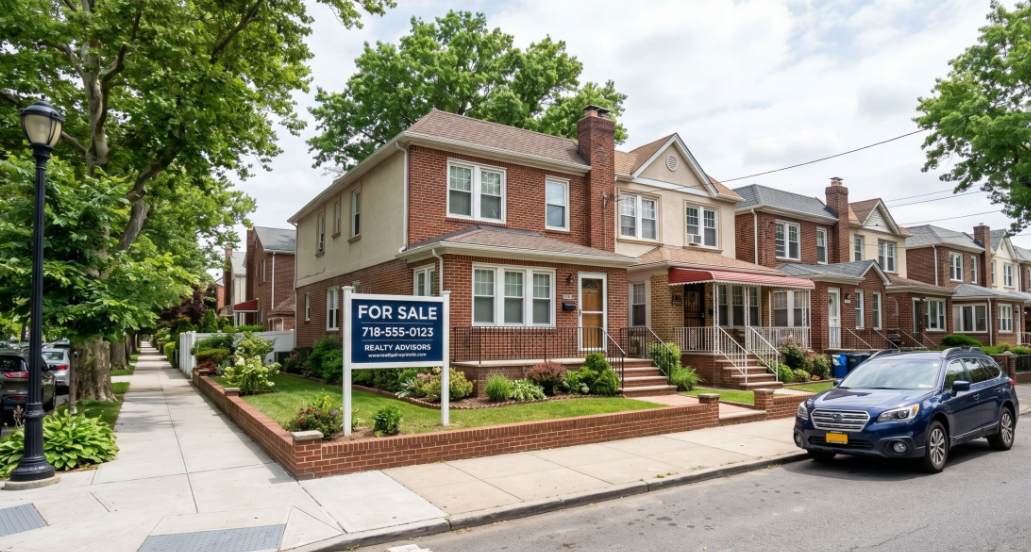
Two Brooklyn homes with similar prices can create completely different daily lives. One may offer a short commute, quiet evenings, and easy access to groceries, while another may have more space but higher monthly costs, train noise, or a longer trip to work. A renovated kitchen can be appealing, but it cannot solve a mismatch between a buyer’s needs and the surrounding area.
Buyers who need help narrowing their search can turn to Brooklyn, NY real estate agents Poljan Properties. Poljan Properties is an independent Brooklyn real estate brokerage, founded in 2012, that provides personalized support for buying, selling, valuation, and market research for New Yorkers and newcomers. Based in Brooklyn and serving clients across Brooklyn and nearby New York City neighborhoods, the firm’s home search and neighborhood resources make it a useful local guide when comparing properties, blocks, and ownership options.
Start With Your Daily Routine
Before choosing a neighborhood, define what a normal weekday and weekend should look like. Start with the parts of life that will not change simply because a home has attractive finishes. Consider where you work, how often you travel, where your family and friends live, and how much time you want to spend commuting.
- Identify your work location, usual schedule, and acceptable commute time.
- List preferred subway lines, bus routes, parking needs, bike storage, and airport access.
- Think about proximity to parks, medical care, schools, childcare, groceries, and fitness options.
- Decide whether quiet streets, nightlife, outdoor space, larger rooms, or a home office matter most.
- Account for pets, remote work, visits to relatives, or potential household changes.
Compare Similar Housing Types
A two-bedroom co-op should not be evaluated exactly like a two-bedroom condo or townhouse. Each property type has a different ownership structure, approval process, monthly cost profile, and level of responsibility.
Co-ops
Review maintenance charges, board requirements, financial statements, subletting rules, and renovation policies. A lower purchase price may be offset by higher monthly maintenance or stricter resale requirements.
Condos
Look at common charges, property taxes, reserve funds, amenities, and financing flexibility. Condos can offer more flexibility for renting or resale, but the overall monthly expense may still be substantial.
Townhouses and Multi-Family Homes
These homes may provide more space and control, but owners are responsible for repairs, insurance, roofs, utilities, and building systems. For multi-family properties, verify legal use, tenant obligations, operating expenses, and realistic rental income.
See also: Modern Commercial Installation Solutions for Efficient Business Growth
Build a Neighborhood Scorecard
Use a one-to-five score for each category in every neighborhood you are considering. The goal is not to find a perfect score. It is to make tradeoffs visible before you become attached to one listing.
- Budget fit: Can you comfortably afford the purchase and full monthly cost?
- Commute: How long does the real trip take during normal work hours?
- Housing choice: Does the area have the layouts and property types you need?
- Daily convenience: Are transit, shops, parks, and services easy to reach?
- Building quality: Does the property appear well-maintained and financially sound?
- Resale appeal: Would future buyers value the same location and features?
- Long-term fit: Will the neighborhood still work if your needs change?
Measure the Commute in Real Conditions
A station that looks close on a map may involve a long walk, several flights of stairs, a crowded transfer, or unreliable weekend service. Test the route from the actual building entrance during a weekday morning and evening.
Even a ten-minute difference each way can add up over a month. Also consider trips beyond work, including school drop-off, grocery runs, medical appointments, and social plans. A neighborhood can be convenient for one destination while being difficult for everything else.
Look Beyond Transit and Trendy Streets
Neighborhood character can shift from block to block. Visit a property more than once, including a weekday morning, evening commute, and weekend. Stand outside without rushing and listen for traffic, loading zones, nightlife, construction, elevated trains, or nearby commercial activity.
Check sidewalk conditions, lighting, tree cover, nearby grocery options, and access to public space. Buyers should also ask about flood exposure, planned construction, zoning changes, and projects that could affect traffic, light, privacy, or views.
Use Data as a Guide, Not a Decision Maker
Market data can help buyers ask better questions, but broad neighborhood averages often hide important differences. Compare recent closed sales rather than relying only on asking prices. Separate co-op, condo, townhouse, and multi-family data whenever possible, and review days on market, price reductions, and available inventory.
Price per square foot is useful only when the homes are truly comparable. A renovated condo with amenities, a prewar co-op, and a townhouse with outdoor space may all trade differently even on nearby blocks. Use numbers to narrow the search, then let building records and personal visits provide the context.
Review the Full Cost of Ownership
Your real housing payment includes more than the mortgage. Factor in property taxes, maintenance or common charges, insurance, utilities, internet, storage, parking, transportation, repairs, possible assessments, closing costs, and moving expenses.
For example, a lower-priced apartment with high monthly charges can cost more over time than a slightly more expensive home with lower recurring expenses and a stronger building budget. Ask for a clear monthly estimate before deciding whether a listing truly fits your budget.
Questions to Ask Before Making an Offer
- How many comparable homes have sold nearby in the past six months?
- Are sellers reducing prices in this part of Brooklyn?
- What repairs, capital projects, or assessments may be coming?
- How does this block differ from nearby blocks?
- What future construction or zoning changes could affect the property?
- What might make the home harder to resell later?
Final Checklist
The best Brooklyn neighborhood is not automatically the trendiest, quietest, or least expensive option. It is the one that supports your budget, routine, homeownership goals, and future plans. Compare similar property types, test your commute, visit at different times, review building costs carefully, and use a scorecard before making an emotional decision. That process can turn a broad Brooklyn search into a confident, practical choice.