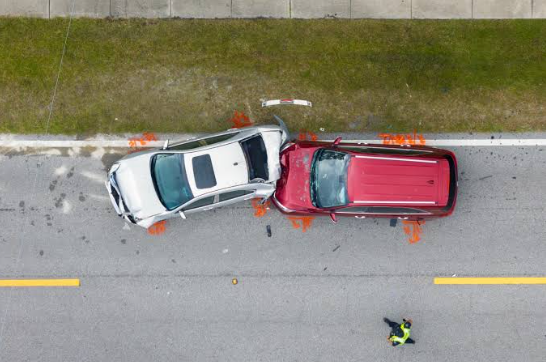
A car accident can leave a person managing injuries, vehicle damage, insurance calls, and lost income at once. Early decisions affect the strength of a later injury claim, especially when evidence disappears or treatment gaps develop. A lawyer can organize the process, protect communications, and identify compensation available under Texas law. Knowing what legal help involves gives an injured driver a clearer path after the collision and helps them take the first practical step.
How a Lawyer Protects the Claim
A car accident lawyer in Sugar Land can assess liability, preserve evidence, and handle insurer communications while you focus on medical care. The lawyer reviews crash reports, photographs, medical records, wage information, and witness accounts to build a supported claim. This assistance also reduces the risk of accepting a settlement before the full cost of an injury becomes clear.
Insurance companies evaluate claims based on their own financial interests. An adjuster may request a recorded statement, broad medical authorization, or an early release. Legal counsel can review those requests, identify harmful language, and communicate through the proper channel.
A lawyer also tracks deadlines. Texas generally gives an injured person two years to file a personal injury lawsuit, although exceptions can change that period. A prompt case review prevents you from relying on an incorrect deadline.
See also: Regain Control of Your Life With Drug Addiction Treatment
What To Do After a Collision
Safety comes first. Move away from traffic when possible, call 911, and request medical assistance for anyone injured. Police records, dispatch details, and emergency medical notes create an early record of what happened.
Photos should show vehicle positions, road conditions, traffic signals, visible injuries, and property damage. Witness names and contact details also matter because independent observations can support or challenge each driver’s account.
Avoid admitting fault at the scene. Texas follows a modified comparative responsibility rule, so a person who carries more than 50% responsibility cannot recover damages. Statements about the collision should remain factual and limited.
Establishing Liability and Damages
A successful claim requires evidence that another party acted negligently and caused the collision. Useful proof can include traffic citations, vehicle damage patterns, surveillance footage, road photographs, eyewitness accounts, and expert analysis when the facts remain disputed.
Medical documentation connects the crash to the injury. Treatment records should describe symptoms, diagnoses, procedures, restrictions, and expected recovery. Gaps in care can give an insurer an argument that the injury was minor or unrelated, even when other arguments are credible.
Compensation depends on the facts and documented losses. Recoverable damages can include medical expenses, future treatment, lost wages, reduced earning capacity, property damage, and pain-related losses. A lawyer calculates these categories using records rather than an unsupported demand.
Handling Preexisting Conditions
A preexisting condition does not automatically prevent recovery. Texas law can hold a negligent party responsible when a collision aggravates an earlier problem. A complete medical history helps distinguish the prior condition from new symptoms and supports a reliable assessment.
Settlement Discussions and Litigation
Most injury claims begin with a demand package that usually includes liability evidence, medical records, financial losses, and a requested settlement amount. The insurer can accept, reject, or counteroffer.
A settlement ends the claim after you sign a release. You should decide carefully because the release usually prevents further payment for the same collision. A lawyer checks whether treatment has stabilized before recommending acceptance.
If negotiations fail, filing a lawsuit starts a formal court process. Both sides exchange evidence, question witnesses, and develop legal arguments. Litigation does not guarantee a higher recovery, but preparation can pressurize an insurer that refuses to evaluate fairly.
Mistakes That Can Weaken a Claim
Social media posts can damage credibility when they conflict with reported pain, activity limits, or treatment instructions. Privacy settings do not guarantee that insurers or opposing counsel will ignore public content.
Missed appointments and incomplete records create similar problems. Update your medical providers about changing symptoms, follow treatment instructions, and keep copies of bills, work restrictions, mileage, and correspondence.
Additionally, avoid signing documents without reading them carefully. A release, statement, or authorization can affect privacy rights and future compensation. Legal review before signing protects the claim from avoidable restrictions.
Conclusion
A car accident claim improves when the injured person preserves evidence, follows medical advice, records financial losses, and limits discussions with the insurer. Legal counsel adds structure by investigating fault, valuing damages, monitoring deadlines, and negotiating with documented support. The practical next step is to gather the crash report, photographs, medical records, bills, and wage information, then arrange a case review before making a recorded statement or accepting payment. That early review can protect options that may disappear later.