Key Takeaways
- Virtual fitting rooms can help shoppers judge style, color, and silhouette before ordering.
- They are useful decision aids, but they cannot guarantee physical comfort or exact fit.
- Size charts, garment measurements, fabric descriptions, reviews, and return policies still matter.
- Shoppers should understand how a tool handles photos, measurements, and other personal data.
- The strongest online buying decisions combine digital previews with practical product information.
Buying clothes online involves a familiar uncertainty. A shirt may look great on a product model, yet the shopper cannot feel the fabric, assess the cut in person, or know whether the shoulders and sleeves will sit comfortably. A virtual try on experience can reduce some of that uncertainty by giving shoppers a visual way to compare clothing before they check out.
These tools are most useful when shoppers treat them as one part of the buying process. A realistic preview can help someone decide whether a color works for them or whether a jacket suits their usual style, but it should not replace measurement details or common sense about fit.
Why Online Clothing Choices Still Feel Uncertain
Product photos are designed to show an item clearly, but they cannot answer every personal question. Fit can change with body shape, posture, garment construction, and the amount of stretch in a fabric. Sizing also varies among brands and sometimes between different cuts from the same brand.
Online shoppers also lose the cues available in a store. They cannot easily judge whether denim feels rigid, whether knitwear is heavy, or whether a blazer has enough structure for the occasion. Multiple photos and videos improve the picture, yet they cannot fully substitute for trying on the actual garment.
What a Virtual Fitting Room Does
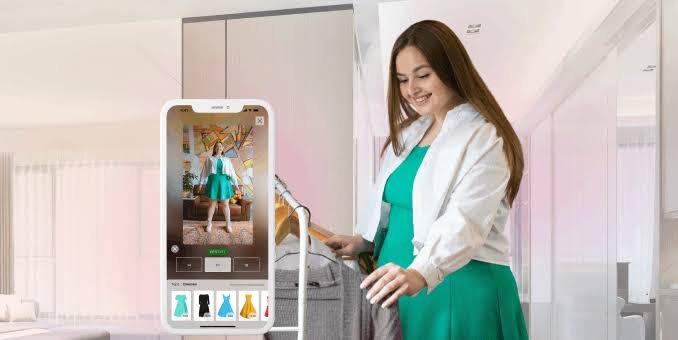
A virtual fitting room is a digital feature that helps a shopper visualize clothing on themselves, on a selected model, or through a camera-based overlay. The broader category of virtual dressing room technology includes size recommendation tools, digital avatars, image-based previews, and augmented-reality experiences.
Some systems place an item over a live camera image. Others create a still-image preview after a shopper uploads a photo. A third approach lets the shopper select a digital model with similar height, proportions, or style preferences. Each method can be helpful, but each produces an estimate rather than a physical fitting-room result.
How the Process Usually Works
- The shopper selects an item from an online catalog.
- They upload a photo, use a device camera, or choose a representative digital model.
- The system analyzes visual information such as the garment image, pose, proportions, and available sizing data.
- The software creates a preview or offers a size recommendation.
- The shopper compares that result with the size guide, fabric details, reviews, and return terms.
Where These Tools Can Help Most
Style Checks and Outfit Planning
Virtual previews can be especially helpful for visual choices. A shopper may compare several colors, test whether a print feels too bold, or see whether a new top works with pieces they already own. This can be more useful than relying on an isolated product image.
Confidence, Gifts, and Accessibility
A preview may also make it easier to narrow down options before buying a gift or trying an unfamiliar style. For people who find stores, crowds, or conventional fitting rooms difficult to navigate, a digital option can offer a more private and self-paced way to browse.
Why a Digital Preview Is Not a Fit Guarantee
A visual result cannot reliably show how clothing will feel. Fabric stiffness, stretch, thickness, lining, breathability, and seam placement all influence comfort. Lighting, camera angle, image quality, and body position can also alter how a garment appears on screen.
For example, a fitted jacket may look polished in a generated preview but still feel restrictive across the shoulders when worn. Oversized sweaters, tailored trousers, structured coats, and jeans can each present different fitting challenges. Shoppers should use the preview to assess appearance, then use measurements to assess likely fit.
Virtual Try-On and Return Reduction
Better product information can help shoppers avoid ordering several similar items simply to compare them at home. When a preview, size guide, and clear description all point in the same direction, a shopper may feel more prepared to choose one item rather than several possibilities.
Research on virtual try-on, consumer decisions, privacy, and return waste also highlights why these systems should be evaluated carefully. A tool may support more informed choices, but it cannot remove every reason for a return, including damaged goods, changed preferences, or a fit issue that only becomes clear after wearing the garment.
Privacy Questions Shoppers Should Ask
Before uploading an image or entering measurements, shoppers should look for clear answers to a few practical questions:
- Does the service store uploaded photos, and for how long?
- Can the shopper delete the photo or profile later?
- Will the image or measurement data be used for advertising, analytics, or system training?
- Does the tool collect face, body, or camera data beyond what is necessary for the preview?
- Is the privacy notice written in clear language?
If the data practices are vague, shoppers should avoid uploading sensitive images and use another sizing method instead.
How to Use a Virtual Fitting Room Wisely
- Use a clear, well-lit photo if the tool requests one.
- Choose a natural pose that does not distort the body or garment.
- Compare the preview with the item’s measurement chart.
- Read reviews that mention size, length, fabric, and comfort.
- Check return deadlines, fees, and refund conditions before ordering.
- When trying a new brand, consider ordering one item first.
What Retailers Should Provide Alongside the Tool
A fitting feature works best when it is supported by accurate garment measurements, fabric composition, care details, photos from several angles, and models with varied heights and body shapes. Retailers should also explain whether the preview shows the exact item and size selected or a visual approximation. Plain-language privacy terms and a fair return process remain just as important as the technology itself.
What May Improve During
Virtual fitting tools may become more useful as retailers combine visual previews with better size guidance and richer product data. More experiences may show garments in motion, offer a wider range of digital models, or process some information directly on a shopper’s device. Clear labels separating style visualization from fit advice would also help shoppers understand what a result can, and cannot, tell them.
Conclusion
Virtual fitting rooms can make online clothing decisions less uncertain, particularly when shoppers use them to judge style and compare options. They are not crystal balls. The best approach is to use the preview for appearance, then verify the details that software cannot fully reveal: measurements, fabric feel, construction, customer feedback, privacy practices, and return rules.