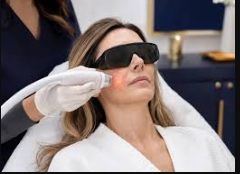
Vancouver’s outdoor lifestyle, from waterfront walks to mountain days, can make sun protection and long-term skin care especially relevant. For people noticing early signs of looseness around the face, neck, or body, non-surgical treatments can offer gradual improvement without surgery. Thermage skin tightening in Vancouver is one of the local options offered by Oasis MD, a Vancouver clinic providing aesthetic and private health care services. Its Thermage CPT service page explains the radiofrequency-based approach, common treatment areas, consultation process, and aftercare considerations for patients seeking non-invasive care in central Vancouver. Still, no device is the right answer for every kind of aging concern. The most useful first step is identifying whether the main issue is mild laxity, wrinkles, surface texture, facial volume loss, or substantial excess skin. Each concern calls for a different discussion and, sometimes, a different treatment plan.
Why Skin Firmness Changes Over Time
Skin firmness can change as collagen and elastin support decline with age. Sun exposure, genetics, smoking, weight fluctuations, pregnancy, and natural changes in facial fat can also affect how taut or crepey skin appears. Fine lines are not the same as loose skin, and facial hollowing is not the same as sagging. A treatment that improves texture may not restore lost volume, while a treatment that adds volume will not remove excess skin.
This distinction matters because realistic expectations protect patients from overspending on a treatment that does not match their primary concern.
What Non-Surgical Skin Tightening Means
Non-surgical skin tightening is a broad term for treatments that use controlled energy to heat selected layers of tissue without surgical incisions. The aim is generally to create collagen remodeling over time, which may make skin look firmer or smoother. The change is usually gradual and more modest than the lift possible with surgery. The American Academy of Dermatology explains that treatments for sagging skin vary in their downtime and expected results, and notes that a dermatologist can help determine whether a nonsurgical procedure is likely to help. That individualized assessment is particularly important when laxity is advanced.
Main Types of Energy-Based Treatments
- Radiofrequency: RF devices deliver energy that warms tissue beneath the skin. Non-needle RF treatments are often chosen for mild to moderate laxity and typically cause little disruption to normal routines.
- Focused ultrasound: Ultrasound devices use sound-wave energy to target tissue at selected depths. They may be considered when a patient wants a gradual tightening effect without an incision.
- Laser treatments: Some laser procedures focus more on surface texture, fine lines, pigmentation, or collagen stimulation. Recovery and skin-tone considerations vary by laser type.
- RF microneedling: This approach combines tiny needles with radiofrequency energy. It is distinct from external, non-needle RF because it intentionally creates microchannels in the skin.
The device name alone should not decide the treatment. Energy level, treatment depth, the area being treated, skin characteristics, and the provider’s experience all affect comfort, results, and risk.
See also: Regain Control of Your Life With Drug Addiction Treatment
Non-Needle RF Versus RF Microneedling
Although both treatments use radiofrequency, they are not interchangeable. Non-needle RF generally delivers energy through the skin’s surface and may be used when the primary goal is gradual tightening with minimal visible recovery. RF microneedling uses needles and may be chosen for certain texture, acne scar, or fine-line concerns in addition to collagen stimulation. RF microneedling deserves a careful safety conversation. The FDA has warned about serious complications reported with certain uses of RF microneedling, including burns, scarring, fat loss, disfigurement, and nerve damage. Ask exactly which device will be used, whether needles are involved, who will perform the procedure, and what follow-up is available.
Who May Be a Good Candidate?
People with mild to moderate laxity who prefer a natural-looking, gradual change may be candidates for a consultation. Common areas include the jawline, cheeks, neck, eyelids, arms, abdomen, and knees. Results can vary depending on the degree of looseness, existing sun damage, skin quality, facial volume, and overall health. A surgical consultation may be more appropriate for someone with substantial excess skin. A responsible provider should say so clearly rather than presenting a “non-surgical facelift” as a substitute for surgical lifting.
What to Cover During a Consultation
A consultation should assess your goals, skin condition, medical history, and tolerance for downtime. Share information about implants, medications, pregnancy, active rashes or infections, prior cosmetic procedures, and any history of heat sensitivity or abnormal scarring.
Questions Worth Asking
- Which device and energy type will be used?
- Is this treatment non-invasive, minimally invasive, or needle-based?
- What result is realistic for my specific area?
- How many sessions might be recommended?
- What side effects and warning signs should I watch for?
- What training and experience does the provider have with this device?
- What is the full cost, including follow-up or maintenance?
Session, Recovery, and Results
A typical appointment may include photographs, skin preparation, protective measures, delivery of energy to the planned area, and aftercare instructions. Depending on the device, sensations can range from warmth and pressure to short pulses of heat. Comfort varies, so “painless” should never be assumed. Temporary redness, warmth, swelling, or tenderness can occur after non-invasive treatments. Collagen-related changes commonly take weeks or months to become more noticeable. Follow the provider’s instructions, use broad-spectrum sunscreen, avoid excess heat if advised, and do not rub, pick, or aggressively exfoliate irritated skin.
How to Compare Options
- Match the method to the concern: Tightening, wrinkles, texture, and volume loss may require different approaches.
- Compare downtime honestly: Minimal downtime can be valuable, but it may also mean a subtler result.
- Review informed consent: Read risks, alternatives, expected recovery, and contraindications before booking.
- Evaluate the provider, not just the device: Ask for relevant before-and-after examples and a clear explanation of the plan.
- Avoid pressure: Take time to decide, especially when a package or same-day promotion is involved.
Daily Habits That Support Firmer-Looking Skin
Professional treatment works best alongside sensible skin care. Use sunscreen consistently, particularly during extended time outdoors. Choose a gentle cleanser and moisturizer suited to your skin, and ask a qualified professional whether retinoids or other active ingredients are appropriate for you. Avoid smoking, maintain stable habits around sleep and nutrition when possible, and protect healing skin after any procedure.
Common Questions
Can skin tightening replace a facelift?
It may provide a modestly firmer appearance, but it does not remove substantial excess skin or reproduce the results of a surgical facelift.
How long do results last?
Duration varies by treatment, skin condition, age, sun exposure, and maintenance habits. Aging continues after every cosmetic procedure.
What warning signs need prompt attention?
Contact your provider if you experience severe pain, blistering, a suspected burn, worsening swelling, unusual discoloration, numbness, or symptoms that are not improving as expected.
Final Decision Checklist
Before choosing a treatment, identify the actual concern, decide what downtime is acceptable, confirm whether needles, heat, or other techniques are involved, review the provider’s qualifications, and request transparent pricing. It is also important to understand how many sessions may be recommended, when changes are typically noticeable, and what limitations or potential side effects to consider. Different treatments work in different ways, so a consultation can help determine whether a particular option is appropriate for the area being treated and the desired level of improvement. Non-surgical skin tightening can be a sensible choice for gradual improvement. Still, the best outcomes begin with an honest assessment, realistic expectations, and a clear understanding of what the treatment can and cannot achieve.