You catch a dark line near your gum or a bit of metal showing under an older crown, and it is hard not to fixate on it. Maybe it showed up in photos first. Maybe you felt it with your tongue before you saw it. Either way, it can leave you wondering whether the crown is failing, whether decay is hiding underneath, and whether fixing it is going to turn into a bigger dental problem than you expected. If you are looking for quality cosmetic and restorative dentistry in Villa Rica, it may help to have the area evaluated before the issue worsens.
That reaction makes sense. Crowns are supposed to blend in and protect your tooth. When an older one starts showing a gray edge or a shadow near the gumline, the issue is often wear, gum changes, or the materials used years ago. Sometimes it is mostly cosmetic. Sometimes it points to leakage, damage, or decay that needs treatment. A family dentist looks at both the appearance and the health of the tooth before recommending anything.
Older dental crowns often show metal or dark edges for predictable reasons
Many older crowns were made with porcelain fused to metal. They were strong and common for years, but the metal base can become visible over time. If your gums recede even a little, the edge of that metal may start to show. In other cases, the porcelain layer wears down, chips, or becomes thinner, which makes the darker structure underneath easier to see.
You may also notice a shadow that does not look like exposed metal at all. A crown can create a gray cast near the gumline because of the way light passes through older materials. That does not always mean the crown is loose or infected, but it does mean the area deserves a closer look.
There is another possibility people often fear for good reason. Darkness beneath a crown can also come from decay at the margin, where the crown meets the tooth. Bacteria can slip into tiny gaps if the cement breaks down or the crown no longer fits as tightly as it should. The tooth underneath is still vulnerable. The University of Alabama at Birmingham explains how tooth decay develops and why early treatment matters, and that applies under crowns too.
Dentists check the crown margin, the tooth underneath, and the gumline before treating the problem
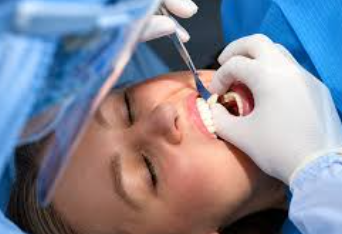
The first step is not guessing from appearance alone. A dentist examines the crown closely, checks the edge where it meets the tooth, and looks for signs of recession, chipping, looseness, trapped plaque, or tenderness. X rays often help reveal decay under the crown or changes around the root that you cannot see in the mirror.
If the dark area is only exposed metal from an older restoration and the crown is still sealed well, your options may be simple. You might keep it as is if it does not bother you, especially on a back tooth. If the look bothers you, replacing it with a newer all ceramic crown may give a more natural result. The University of Colorado School of Dental Medicine offers a clear overview of dental crowns and how they restore damaged teeth.
If the problem is decay, a crack, or a failing fit, replacement is usually the safer path. Covering a weak foundation with cosmetic touch ups does not solve the real issue. You may be hoping for a quick polish or bonding fix, but if bacteria are getting underneath, delay can lead to a larger cavity, nerve irritation, or the need for root canal treatment later.
This is why visible metal under dental crowns is not just an appearance issue. It can be a clue. A dentist sorts out whether that clue points to normal aging of the crown or a deeper problem that needs attention.
Professional crown evaluation gives clearer answers than home inspection
It is tempting to search your symptoms, zoom in with your phone camera, and decide whether the crown can wait. That usually adds stress, because metal show through, stain, recession, and decay can look similar at home. You can miss the difference between a harmless shadow and a failing margin.
MedlinePlus outlines what to expect when a dental crown is placed or replaced, and that process matters when an old crown needs to come off. Removing a crown lets the dentist inspect the tooth fully, clean away decay if present, and rebuild the tooth before placing a new restoration. If the foundation is solid, the replacement has a much better chance of lasting well and looking natural.
| Situation | What it may mean | Common dental response |
|---|---|---|
| Thin dark line at the gumline, no pain, crown feels stable | Gum recession or metal edge showing on an older crown | Monitor it or replace the crown for appearance |
| Gray shadow under front crown, no looseness | Older material showing through the porcelain | Cosmetic evaluation, often replacement with all ceramic crown |
| Bad odor, food catching, tenderness near crown edge | Possible open margin or decay under the crown | X rays, removal of crown, treatment of decay, new crown |
| Chipped porcelain with metal visible | Structural wear or damage to crown surface | Repair in limited cases, replacement in many cases |
| Crown feels loose or shifts when chewing | Failed cement, fracture, or decay underneath | Prompt exam and likely recementation or replacement |
Darkness beneath an old crown should be assessed before it turns into a larger repair
Aging crowns do not always need urgent replacement, but they do need an honest assessment. Waiting too long can shrink your options. A small area of decay at the edge may be manageable if found early. If it spreads deeper, the tooth may need more than a new crown. In some cases, there is not enough healthy tooth left to save easily.
The emotional side matters too. People often put this off because they assume it will be expensive or complicated, and then months pass while they keep avoiding crunchy foods on one side or hiding their smile. A good exam gives you facts instead of guesswork. That alone can lower a lot of stress.
Three steps you can take right away
1. Look for patterns, not just appearance. Notice whether the crown is only darker at the edge or whether you also have pain, bleeding, bad taste, sensitivity, or food trapping. Those extra signs make a failing crown more likely.
2. Keep the area as clean as you can. Brush gently along the gumline and floss carefully around the crown. Plaque buildup can make the area look worse and can speed up decay where the crown meets the tooth.
3. Schedule an exam before the crown breaks or loosens. A dentist can tell whether this is normal wear, exposed metal, gum recession, or something more serious. Early treatment usually gives you simpler choices and better cosmetic results.
Seeing metal or darkness beneath an older crown can feel unsettling, but it is a common issue with clear explanations and workable solutions. If the crown is healthy, you may only need monitoring or a cosmetic upgrade. If the tooth underneath is at risk, catching it now can save time, money, and discomfort. Reach out to a trusted family dentist and get the crown checked before a small concern becomes a bigger repair.