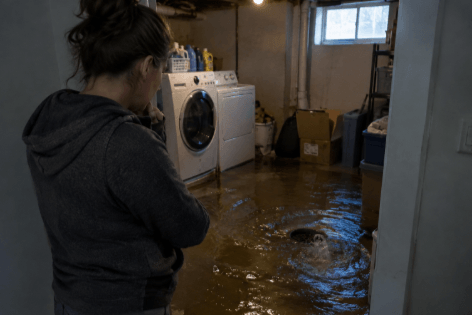
A slow sink is frustrating, but a drain backup can quickly become a health and property emergency. For homeowners facing rising wastewater, repeated toilet overflows, or several blocked fixtures at once, arranging emergency drain service in Salt Lake City Utah may help limit the spread of water and identify whether the trouble is inside the home or farther down the sewer line.
In Salt Lake City, a plumbing problem may be especially disruptive when it affects a basement, utility room, finished living space, or stored belongings. Knowing which warning signs require immediate action can help you protect your household while avoiding the common mistakes that make a backup worse.
What Counts as a Drain Emergency?
The difference between an ordinary clog and an emergency usually comes down to the type of water involved, the number of fixtures affected, and whether the situation is worsening. One slow bathroom sink may be suitable for a regular service visit. Dirty water coming up through a basement floor drain, however, calls for a faster response.
A toilet that overflows once because of a localized blockage can be serious, but several drains slowing down together may suggest a restriction farther along the drainage system. When wastewater appears in a tub, shower, floor drain, or lower-level toilet, assume more water use could force additional water into the home.
Warning Signs That Need Fast Attention
Act promptly when you notice any of the following signs:
- Sewage or dirty water backing up into a tub, sink, toilet, or floor drain.
- Multiple drains becoming slow or blocked at roughly the same time.
- A toilet bubbling or gurgling when a sink, shower, dishwasher, or washing machine drains.
- Water rising from a basement drain or outdoor cleanout.
- A strong sewage odor coming from more than one plumbing fixture.
- Clogs that return soon after they appear to have cleared.
- Water spreading toward outlets, appliances, drywall, furniture, or stored items.
These symptoms do not confirm the exact location of the obstruction, but they do show that waiting may allow the damage to expand. These symptoms do not confirm the exact location of the obstruction, but they do show that waiting may allow the damage to expand.
What to Do in the First Few Minutes
- Stop using water. Do not flush toilets, run faucets, start the dishwasher, or use the washing machine.
- Keep people and pets away. Treat wastewater as contaminated until the affected area is cleaned.
- Stop an active overflow. Close the fixture’s supply valve if possible, or use the home’s main water shutoff when necessary.
- Move nearby items. Relocate rugs, boxes, electronics, and furniture only if you can do so without walking through contaminated water.
- Document the damage. Take clear photos of water levels, affected materials, and the apparent source before cleanup begins.
- Contact the appropriate help. This may include a plumbing professional, a property manager, an insurer, or a local sewer authority.
What Not to Do During a Backup
It is understandable to want to test whether a drain has started working again, but that can add more water to an already blocked system. Avoid flushing repeatedly or running faucets to check the flow.
- Do not mix drain-cleaning chemicals or add them to standing wastewater.
- Do not pour harsh chemicals into a line that may need hands-on service.
- Do not remove a sewer cleanout cap unless a qualified professional has explained how to do so safely.
- Do not walk through water near electrical cords, appliances, or outlets.
- Do not use fans or other electrical equipment in a wet area until electrical safety has been confirmed.
- Do not assume the problem is solved just because water temporarily recedes.
Common Causes of Sudden Drain Problems
A backup can feel sudden even when the cause has been building for months or years. Grease, food scraps, hair, wipes, and other materials can narrow pipes over time. Tree roots can also enter damaged pipe joints, while cracks, separated connections, corrosion, or collapsed sections can restrict normal flow.
Heavy rain, snowmelt, groundwater infiltration, and improper connections can also add water to sewer systems. The conditions that can cause sanitary sewer overflows include blockages from fats, oils, grease, wipes, root intrusion, damaged lines, and excess water entering sewer infrastructure.
How Professionals Find the Real Blockage
Clearing a drain and determining why it clogged are not always the same job. A professional assessment typically begins with questions about which fixtures are affected, when the issue began, and whether similar backups have occurred before.
- The accessible cleanout, floor drain, or other entry point is checked.
- Flow is evaluated to determine whether the restriction appears localized or farther down the line.
- Appropriate mechanical equipment may be used to clear the obstruction.
- A camera inspection may be recommended to look for roots, buildup, cracking, offsets, or pipe separation.
- The homeowner receives a follow-up plan that may involve cleaning, repair, replacement, or monitoring.
Safety Steps After a Sewer Backup
Cleanup should begin only after the water source has been addressed and electrical hazards have been considered. Sewage can contain microorganisms that cause illness, so avoid direct contact and keep children, pets, and people with weakened immune systems out of the affected area.
When limited cleanup is unavoidable, wear waterproof gloves, boots, eye protection, and protective clothing. Guidance on protecting yourself when cleaning up after a sewer backup recommends avoiding contact with sewage, cleaning affected surfaces, disinfecting them, and washing hands thoroughly afterward.
Porous materials that cannot be thoroughly cleaned may need to be discarded. Before throwing away damaged belongings, photograph them and review insurance requirements. For significant contamination, soaked drywall, damaged flooring, or a large affected area, professional cleanup may be the safer option.
see also: Common Corporate Tax Mistakes Small Businesses Make
Ways to Reduce Future Drain Problems
- Let the cooking grease cool, then place it in the trash instead of pouring it down the drain.
- Use sink strainers to capture food scraps and hair.
- Flush only toilet paper and human waste.
- Keep wipes, paper towels, hygiene products, and cleaning cloths out of toilets.
- Schedule an inspection if clogs keep returning.
- Learn where the main water shutoff and sewer cleanout are located.
- Ask about backflow protection if the property has a history of sewer backups.
- Consider the location of known sewer lines when planning trees or large shrubs.
Common Questions Homeowners Ask
Is One Slow Drain an Emergency?
Usually not. A single slow drain without flooding, sewage, or repeated failure may be appropriate for a standard appointment. It should still be addressed if the problem returns or worsens.
What If Several Drains Back Up at Once?
Several affected fixtures may indicate a blockage farther down the drainage system. Stop using water and arrange prompt professional assessment.
Should Chemical Drain Cleaner Be Used?
Chemical cleaners may not reach deep blockages and can leave harsh residues inside the pipe. They can also pose an added risk to anyone who later services the drain.
Can a Backup Clear on Its Own?
Water may recede temporarily, but that does not prove the underlying obstruction is gone. Recurring or worsening backups should be inspected before normal water use resumes.
Conclusion
A clogged drain becomes an emergency when it threatens health, property, or the safe use of the home’s plumbing. Sewage, rising water, repeated overflows, and multiple blocked fixtures deserve quick action. Stop adding water, keep people and pets away, document the damage, and address the underlying cause after the immediate backup is under control.