Hard water can leave spots on dishes, make soap harder to rinse, and create stubborn scale on fixtures and appliances. If these problems are familiar, start with a water test rather than guessing. A qualified water softener installation company in St George Utah, can also help homeowners interpret results and determine whether whole-home treatment is appropriate.
The right solution depends on the minerals and other conditions in your water, not just on one visible symptom. This guide explains how to recognize hard water, compare treatment approaches, and keep equipment working efficiently over time.
Common Signs Of Hard Water At Home
Hard water contains elevated dissolved minerals, most often calcium and magnesium. One symptom alone does not prove that hardness is the cause, but several signs together are a strong reason to test your supply.
- White spots or cloudy film on glasses and silverware.
- Chalky buildup on faucets, shower doors, and showerheads.
- Soap or shampoo that does not lather as easily as expected.
- Stiff towels, dull laundry, or detergent residue on clothing.
- Dry-feeling skin or hair after bathing.
- Reduced flow from fixture aerators clogged with mineral scale.
See also: Daily Dental Habits for Lifelong Oral Health
What Hard Water Does To Plumbing And Appliances
Hard-water minerals are especially troublesome when water is heated. As water moves through a water heater, dishwasher, coffee maker, or hot-water pipe, minerals can settle out and form scale. That buildup can make cleaning more difficult, restrict water flow, and reduce appliance performance.
For example, a water heater may use more energy when scale builds up on heating surfaces and slows heat transfer. The actual effect varies with water chemistry, household water use, appliance condition, and maintenance habits, but addressing buildup early can help avoid unnecessary strain on equipment.
How To Test Water Hardness
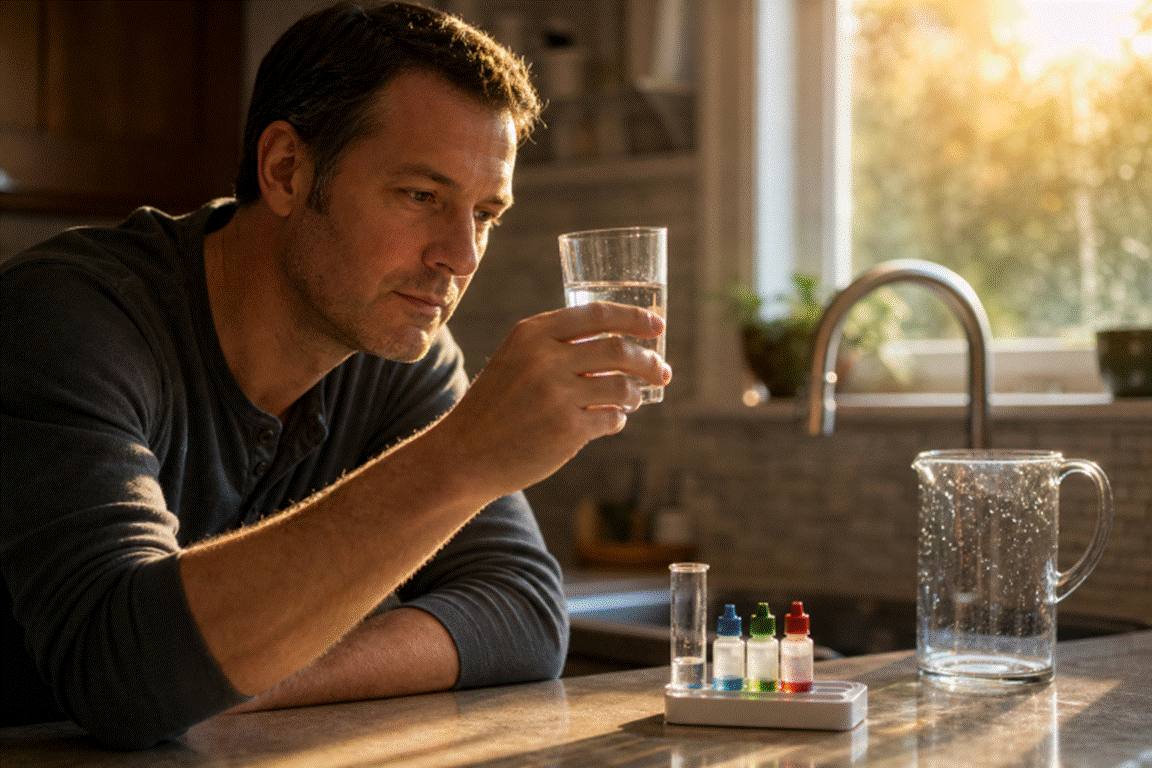
Start by checking your water utility’s current consumer confidence report if you use municipal water. For a quick estimate at home, test strips are convenient, while liquid drop kits generally provide a more precise hardness reading. Laboratory testing is useful when results seem unusual or when a private well needs a broader evaluation.
- Review the most recent utility water-quality report.
- Use a home kit to estimate hardness.
- Record results in grains per gallon or parts per million.
- Test private well water for other concerns, not hardness alone.
- Keep results for sizing and maintaining treatment equipment.
The USGS explanation of water hardness provides useful context on calcium, magnesium, and common hardness measurements. A hardness result is not a complete drinking-water safety test. Water with acceptable hardness may still need separate testing for concerns such as bacteria, nitrates, lead, or other contaminants.
Choosing The Right Treatment Option
Treatment should solve the problem identified by testing. A water softener is designed to reduce hardness minerals, while a filter may target sediment, chlorine taste and odor, or specific contaminants. Reverse osmosis is commonly used at a drinking-water faucet, and whole-home filtration may be useful when multiple fixtures need treatment.
- Water softener: Best for reducing calcium and magnesium hardness throughout the home.
- Whole-home filter: Often used for sediment, taste, odor, or selected water-quality concerns.
- Reverse osmosis system: A point-of-use option for targeted drinking-water treatment.
- Point-of-use filter: Useful when only one sink or appliance needs improvement.
A filter is not automatically a replacement for a softener, and a softener is not intended to remove every possible drinking-water contaminant. Testing first helps prevent the purchase of equipment that does not address the real issue.
Salt-Based Systems Vs. Salt-Free Conditioners
Salt-based softeners and salt-free conditioners serve different purposes. Comparing their functions, installation needs, and maintenance requirements can clarify the decision.
- Salt-based systems: These systems use ion exchange to reduce calcium and magnesium hardness. They typically need salt, a brine tank, a drain connection, and periodic regeneration.
- Salt-free conditioners: These units are generally intended to help limit scale formation. They do not remove hardness minerals in the same way as an ion-exchange softener and usually do not require salt or a drain line.
- Best fit for true softening: A salt-based system is often the better option when homeowners want softer-feeling water and reduced hardness minerals.
- Best fit for scale management: A salt-free conditioner may suit households primarily focused on reducing scale buildup without handling salt.
Before choosing, consider measured hardness, household size, peak water use, installation space, local wastewater requirements, and personal maintenance preferences.
Water Treatment Maintenance Tips
Even well-selected equipment needs routine attention. A few simple checks can help maintain consistent performance and catch small problems before they become expensive repairs.
- Check salt levels or replacement media regularly.
- Look for salt bridges or hardened salt in the brine tank.
- Inspect hoses, fittings, and drain lines for leaks.
- Keep the equipment area dry, clear, and accessible.
- Follow the manufacturer’s cleaning and service schedule.
- Adjust regeneration settings when household use or measured hardness changes.
Mistakes Homeowners Often Make
- Buying treatment equipment before testing the water.
- Selecting a system that is too small for household demand.
- Assuming a softener removes all contaminants.
- Ignoring sediment, iron, odors, or sudden water-quality changes.
- Delaying maintenance until the system no longer works.
- Using softened water outdoors is unnecessary.
When To Get Professional Help
Professional guidance is especially helpful when water remains hard after treatment, regeneration is inconsistent, plumbing connections leak, or appliances repeatedly clog with scale. It also makes sense when installing equipment on the main supply line, connecting a drain, working with private well water, or protecting a newer high-efficiency water heater.
Hard Water Questions Answered
Is Hard Water Unsafe To Drink?
Hardness itself is usually considered a comfort and maintenance concern rather than a safety issue. However, safe drinking water depends on the full water chemistry and source, so hardness testing should not replace broader testing when concerns exist.
Can Boiling Water Remove Hardness?
Boiling can cause some minerals to settle from certain types of hard water, but it is not a practical method for treating an entire home or protecting plumbing.
Does A Water Filter Remove Hard Water?
Many standard filters improve taste, odor, or sediment, but do not remove enough calcium and magnesium to create soft water. Check the product’s stated performance claims before relying on it to reduce hardness.
How Often Should Water Be Tested?
Municipal water customers should review utility reports regularly. Private well owners should test at least annually and after flooding, repairs, nearby construction, or noticeable changes in taste, odor, or appearance. The EPA’s home drinking-water testing guidance can help identify when broader testing is warranted.
How Long Does Water Treatment Equipment Last?
Lifespan depends on system type, water chemistry, usage, installation quality, and maintenance. Follow the product manual and address declining performance promptly rather than relying on a single fixed replacement timeline.
A Practical Plan For Better Water Care
Start with the symptoms, confirm the cause through testing, and select treatment based on measured conditions. With proper sizing and regular maintenance, homeowners can reduce scale buildup, protect appliances, and make water care a more predictable part of home maintenance.