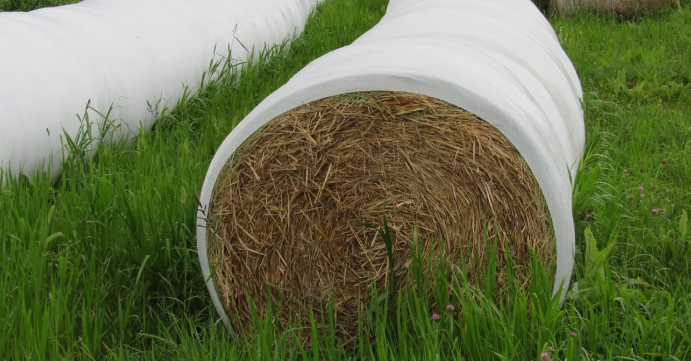
Hay season often ends with a familiar problem: the cutting is finished, the fields are cleared, and suddenly there is far more hay, equipment, and farm supplies to organize than expected. Storage decisions that seemed easy to postpone during the busy summer months now become an immediate concern.
Proper storage is not simply about finding an empty corner. Hay needs protection from moisture, equipment needs accessible space, and supplies should be organized so that daily chores are not harder than necessary. With a little planning, the end of hay season can be a good opportunity to improve the way a small farm or homestead uses its available space.
Start With What You Actually Need to Store
Before building, buying, or rearranging anything, make a complete inventory. Storage problems often happen because owners plan around the building they already have, not the items they need to protect.
Separate your belongings into categories such as:
- Hay and bedding
- Tractors and mowing equipment
- Hand tools
- Feed and supplements
- Fencing supplies
- Seasonal equipment
- Cleaning and maintenance supplies
- Gardening or landscaping equipment
Consider how often you use each item. A mower that comes out every week should not be buried behind equipment used once a year. Likewise, store frequently accessed feed and supplies somewhere convenient rather than at the back of a packed structure.
This simple inventory can reveal whether the real problem is a lack of square footage, poor organization, or a shortage of dedicated storage.
See also: Regain Control of Your Life With Drug Addiction Treatment
Hay Storage Starts With Moisture Control
Hay should be stored in a location that stays as dry as possible. Moisture can reduce hay quality and, under the wrong conditions, contribute to heating and other storage hazards.
A suitable storage area should have:
- A roof that keeps out rain and snow
- Good drainage around the structure
- Adequate airflow
- A dry, stable floor
- Enough clearance for handling and stacking
Avoid placing hay directly against damp ground or areas where water regularly collects. Even a well-built storage structure can become problematic if the surrounding site drains poorly.
Ventilation also matters. Air movement helps reduce moisture buildup, particularly when hay is brought into storage before it has fully dried.
Don’t Forget the Equipment
Hay season involves much more than hay itself. Mowers, balers, wagons, rakes, trailers, and smaller tools all need somewhere to go once fieldwork slows down.
If you leave equipment outside, rain, snow, and sunlight can accelerate wear on tires, metal components, belts, and electrical systems. Storing equipment under cover also makes it easier to inspect and maintain during the off-season.
For smaller properties without room to expand the main barn, utility sheds delivered can provide a practical way to create dedicated covered storage without taking on a major barn addition.
The key is to plan the interior around the equipment. Measure larger machines before deciding on dimensions, and leave enough room around them to move safely. A storage building that technically fits a mower but leaves no working clearance will quickly become frustrating.
Choose the Right Location
Where a storage structure sits can be almost as important as its size.
Consider the following before selecting a site:
Drainage
Choose higher, well-drained ground whenever possible. Water should move away from the building rather than toward it.
Access
Think about how hay, tractors, trailers, and other large items will reach the structure. A narrow entrance or a difficult turn can make an otherwise useful building inconvenient to use.
Wind and Weather
Consider prevailing winds, exposure to heavy rain, and areas where snow tends to accumulate. Positioning can influence ventilation and the building’s long-term durability.
Daily Workflow
Storage works best when it supports the way the property is actually used. Keep frequently accessed equipment and supplies closer to work areas, while seasonal items can be placed farther away.
Small Farms Can Benefit From Multi-Purpose Layouts
Not every operation needs a large agricultural complex. A small farm with a few horses, livestock, or limited equipment may benefit more from a compact structure that combines several functions.
This is where thoughtful planning becomes especially important. Instead of dedicating separate areas to every purpose, owners can create a layout that provides sheltered animal space alongside storage for feed, tools, bedding, and equipment.
For example, shed row barn layouts can make efficient use of a relatively small footprint by arranging stalls and storage areas in a straightforward configuration. The exact design should reflect the number of animals, equipment requirements, access points, and available property space.
A compact layout can also simplify daily chores. When stalls, feed storage, and frequently used supplies are logically positioned, there is less unnecessary walking and fewer opportunities for clutter to build up.
Plan Storage Around Your Routine
A good storage plan follows the movement of people and equipment throughout the day.
Ask yourself:
- What do I reach for every day?
- What do I use weekly?
- What only comes out seasonally?
- What needs protection from weather?
- What needs to remain accessible for safety reasons?
Daily-use tools should be easy to reach. Seasonal equipment can occupy less convenient areas. Feed and other materials should be protected appropriately, while maintenance supplies should remain organized and easy to inspect.
Using shelves, wall-mounted storage, hooks, and clearly designated zones can make a modest building feel considerably more spacious.
Common Storage Mistakes to Avoid
Building Without Measuring Equipment
Guessing dimensions can lead to doors that are too narrow, inadequate turning space, or insufficient interior clearance.
Ignoring Future Needs
If the property may acquire another tractor, trailer, or a few additional animals, consider that possibility before finalizing the design.
Blocking Ventilation
Packing hay, supplies, or equipment tightly against walls can interfere with airflow and make inspection more difficult.
Poor Site Preparation
A durable structure still needs a suitable foundation and proper drainage. Rushing site preparation can create maintenance problems later.
Treating Every Item as Equally Accessible
Not everything needs to be stored within arm’s reach. Prioritize space based on frequency of use.
Make the End of Hay Season Work for You
The end of hay season is an ideal time to evaluate what worked and what did not. Maybe equipment was difficult to access, hay occupied space needed for other supplies, or seasonal tools ended up scattered around the property.
Rather than simply finding a place to put everything until next year, use the transition to create a more deliberate storage system. A little planning for moisture, ventilation, access, drainage, and workflow can make the property easier to maintain year-round.
The best storage solution is not necessarily the biggest building. It is the one that protects what you own, fits the available space, and makes everyday work more efficient. By addressing storage after the hay season rather than waiting until the next busy season, owners can enter the coming year with a cleaner, safer, and more functional setup.