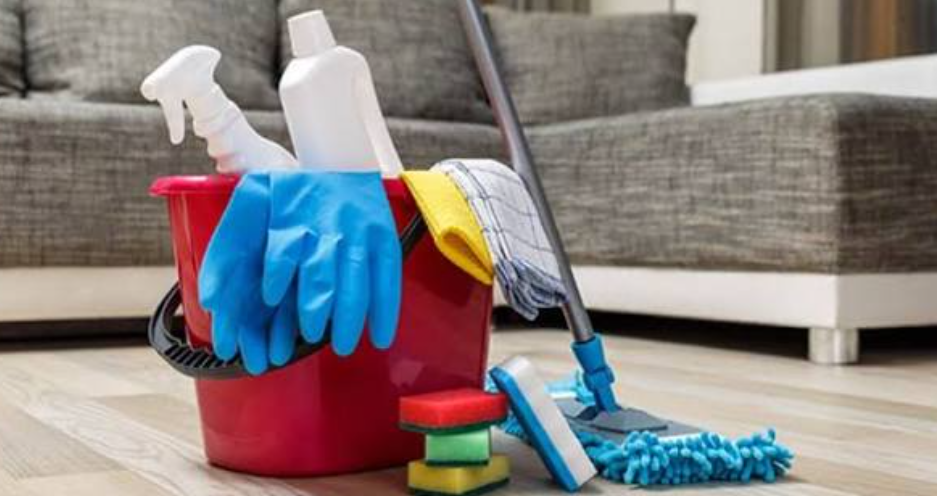
There is no single cleaning schedule that works for every home. A quiet household with one or two adults has very different needs from a busy home with children, pets, frequent cooking, and guests coming through the door. Houston house cleaning works best when the schedule reflects how quickly dirt returns and how much upkeep the household wants to handle between visits.
For some homes, a monthly cleaning keeps things in good shape. Others start looking untidy after a week. The difference usually comes down to daily habits, household size, and how heavily each room gets used.
More People Usually Means More Frequent Cleaning
Every extra person adds something to the cleaning load. More shoes cross the floors, more dishes pass through the kitchen, more towels pile up in the bathroom, and more fingerprints show up on doors and switches.
A household with several people often benefits from cleaning every week or every other week, especially if the kitchen and bathrooms stay busy throughout the day. Smaller households with lighter routines often stretch the schedule longer without seeing much buildup.
The best clue is how the home looks a few days before the next cleaning. If floors already feel gritty, bathroom surfaces look dull, and dust has returned to furniture, the gap between visits is probably too long.
Pets Change the Schedule Quickly
Pet hair has a way of showing up everywhere, especially on hard floors, rugs, upholstered furniture, and along baseboards. Homes with shedding dogs or cats often need more frequent vacuuming than homes without pets.
Hair is only part of it. Pets track dirt indoors, leave nose marks on glass, and bring extra debris into entryways and common areas. During shedding seasons, that workload grows even faster.
A weekly cleaning schedule often makes sense for homes where pet hair returns almost immediately after vacuuming. In lighter-shedding households, every other week may be enough.
Cooking Leaves More Behind Than Dirty Dishes
Homes where meals are cooked daily tend to need kitchen cleaning more often. Grease settles on cabinet fronts, stovetops collect splatter, crumbs gather along floor edges, and sinks see constant use.
Heavy cooking also changes how quickly nearby floors and surfaces feel dirty. A household that prepares several meals a day will usually notice kitchen buildup much sooner than one that rarely cooks at home.
Regular cleaning keeps that residue from layering over time. Once grease hardens around handles, backsplashes, and appliances, the job takes much longer than a simple wipe-down.
Children Make High-Traffic Areas Work Harder
Children bring a different kind of mess. Floors collect crumbs, fingerprints appear lower on walls and cabinets, toys move through multiple rooms, and bathrooms rarely stay spotless for long.
Young children also spend more time close to the floor, which puts more attention on carpets, rugs, and hard flooring. Entryways, kitchens, play areas, and family rooms usually need the most attention.
Homes with children often do better on a weekly or biweekly schedule rather than waiting until the mess becomes obvious.
Working From Home Changes the Rhythm
A home that sits empty during the day gathers dirt differently from one that doubles as an office. When people spend more hours at home, kitchens, bathrooms, desks, floors, and common spaces all get more use.
Coffee cups, lunch prep, paper clutter, dust around electronics, and extra foot traffic add up over the week. Even one person working from home full time creates more daily activity than a house that stays empty for eight or nine hours.
That extra use often shortens the ideal gap between professional cleanings.
Guests Have a Bigger Impact Than People Expect
Frequent visitors add another layer of wear. Entryways collect more dirt, bathrooms get used more often, and living areas need more attention after gatherings.
Homes that entertain regularly tend to benefit from a predictable schedule because cleaning happens before buildup becomes noticeable. It also avoids the last-minute rush before people arrive.
Fun fact: Dust settles continuously, even in rooms that are rarely used. Closed bedrooms, formal dining rooms, and guest spaces still collect fibers, skin particles, pollen, and other fine debris over time.
See also: Common Corporate Tax Mistakes Small Businesses Make
Weekly, Biweekly, or Monthly
Weekly cleaning works best for high-traffic homes where mess returns quickly. Biweekly cleaning suits many households because it keeps bathrooms, kitchens, floors, and dust under control without feeling excessive. Monthly cleaning often works well for smaller households that already handle basic upkeep between visits. If you are thinking about setting up a regular cleaning schedule, the location details below make it easy to see where service is available:
The schedule does not need to stay fixed forever. A household may need more frequent cleaning during busy months, pet-shedding periods, school breaks, or holiday seasons, then reduce the frequency later.
A good schedule should feel slightly ahead of the mess. If every visit starts with heavy buildup and hours of catch-up work, the gap is too long. If the home still looks fresh when cleaning day arrives, the timing is probably about right.