A gas water heater affects everyday comfort, monthly utility costs, and household safety. Choosing solely by purchase price can lead to disappointing performance or unexpected installation expenses. Homeowners planning for a gas water heater installation in St George Utah, should consider household size, usage habits, fuel availability, venting, and the condition of the existing setup before selecting a replacement.
The right system for a two-person household with staggered showers may be very different from the right system for a busy family that runs showers, laundry, and a dishwasher during the same hour. Planning gives you time to compare options instead of making a rushed decision after the old unit fails.
Why The Right Choice Matters
Water heating is a long-term purchase, not just an appliance swap. A lower-cost model may be suitable if it fits the home and performs reliably, but a more efficient model can sometimes lower operating costs over time. The best choice balances upfront price, expected service life, local fuel rates, installation work, and the amount of hot water your household actually uses.
Storage Tank And Tankless Options
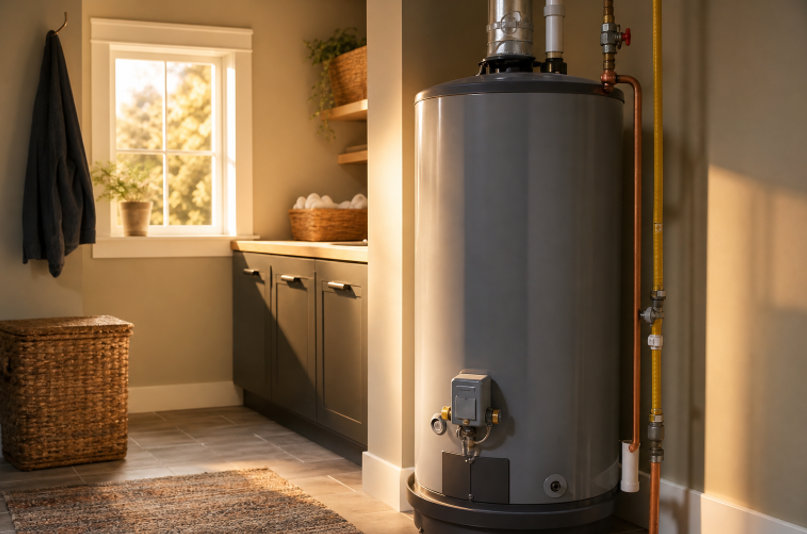
Traditional storage water heaters heat and hold a reserve of water in an insulated tank. They are familiar, widely available, and often simpler to replace when the home already has compatible gas and vent connections. Their limitation is that the stored hot water can be depleted during periods of heavy use.
Tankless units heat water as it passes through the appliance, providing continuous hot water when properly sized. However, they may require a larger gas line, electrical power for controls or fans, new venting, and condensate drainage. The buying guidance for whole-home tankless gas water heaters emphasizes checking for simultaneous fixture demand, gas supply, ventilation, and local product availability before committing to this upgrade.
- Storage tank: A ready supply of hot water, familiar operation, and often straightforward replacement.
- Tankless: A compact footprint, lower standby losses, and on-demand heating.
- High-efficiency gas tank: A middle-ground option that may improve efficiency while retaining stored-water capacity.
See also: How to Compare Brooklyn Neighborhoods Before Buying a Home
How To Choose The Right Size
Tank capacity alone does not determine whether a water heater is large enough. For storage models, compare both gallons and the first-hour rating, which estimates how much hot water the unit can supply during a high-demand hour. For tankless models, compare gallons per minute and the temperature rise needed for incoming cold water.
- List fixtures and appliances that may use hot water simultaneously.
- Identify the busiest one-hour period, such as morning showers and laundry.
- Check the label on the current unit for capacity and performance information.
- Compare that demand with the new unit’s first-hour rating or flow rating.
- Allow for likely changes, including additional residents, a remodeled bathroom, or more frequent laundry.
Bigger is not automatically better. An oversized unit may cost more to buy and operate, while an undersized unit can create frequent cold-water interruptions and unnecessary frustration.
Efficiency Ratings And Operating Costs
Uniform Energy Factor, commonly called UEF, helps compare the energy performance of similar water heaters. A higher UEF can indicate greater efficiency, but it should not be viewed in isolation. Compare equipment cost, installation changes, household demand, standby losses, and the price of natural gas in your area.
The federal standards for consumer water heaters distinguish between storage and instantaneous equipment categories, which is useful when reviewing product specifications. A highly efficient unit that requires extensive gas-line or venting changes may not deliver the same value for every home as a compatible replacement with solid performance.
Gas Water Heater Safety Basics
Gas appliances require safe fuel connections, proper combustion air, dependable venting, and correctly functioning controls. Keep the area around the water heater clear of paint, gasoline, cleaning chemicals, cardboard, and other flammable or corrosive materials. Never block vents, louvers, or air openings.
- Install carbon monoxide alarms near sleeping areas and test them regularly.
- Watch for soot, corrosion, damaged vent pipes, unusual odors, or repeated pilot or burner problems.
- Do not attempt gas-line repairs, vent modifications, or burner repairs without proper training.
- If you smell strong gas, leave the area, avoid operating switches or appliances, and contact the gas utility or emergency services from a safe location.
What To Expect During Installation
Installing a gas water heater involves more than connecting water pipes. A qualified installer may need to inspect gas piping, vent connectors, combustion-air requirements, drainage, shutoff valves, pressure controls, seismic restraints where required, and local permit rules.
- Inspect the installation area and existing utility connections.
- Confirm that the chosen unit meets capacity and fuel requirements.
- Safely shut down water and gas service before removal.
- Install the new appliance, safety devices, venting, and connections.
- Test for water and gas leaks, then verify proper burner operation.
- Review controls, warranties, shutoff locations, and maintenance needs.
A Practical Maintenance Routine
Routine attention can extend performance and help uncover trouble early. Homeowners can visually inspect the unit, but trained professionals should service gas controls and combustion components.
- Monthly: Check for moisture at the base, rust, corrosion, or unusual noises.
- Seasonally: Make sure the surrounding area and venting remain clear.
- Annually: Schedule an inspection of the appliance, vent path, safety controls, and shutoff valves.
- As recommended, flush sediment according to the model instructions and local water conditions.
Popping or rumbling can indicate sediment buildup. Ask during service whether the anode rod and temperature-pressure relief valve need attention. A leaking tank itself is usually a replacement issue, not a simple repair.
Repair Or Replace?
Consider the unit’s age, repair history, efficiency, and overall condition. Replacing a single worn component on a newer heater can make sense. An older unit with recurring repairs, rust, reduced hot-water delivery, or a tank leak may justify replacement planning.
Common Questions
How Long Does A Gas Water Heater Last?
Service life varies with water quality, maintenance, installation quality, household demand, and model design. Inspect older units before they fail, rather than waiting for a leak or a complete loss of hot water.
Can A Gas Water Heater Work During A Power Outage?
Some conventional models may continue operating, while units with power vents, electronic ignition, circulation pumps, or tankless controls may require electricity. Check the owner’s manual for the specific model.
Should Homeowners Install One Themselves?
Professional installation is the safer choice for gas connections, venting, combustion air, permits, and final testing. Small mistakes can create fire, gas leaks, or carbon monoxide hazards.
Final Thoughts
The best gas water heater matches the home’s hot-water demand, available space, gas supply, safety requirements, and long-term budget. Careful sizing, proper installation, and consistent maintenance matter just as much as the equipment you select. Planning before an emergency can prevent wasted energy, avoidable repairs, and uncomfortable surprises.