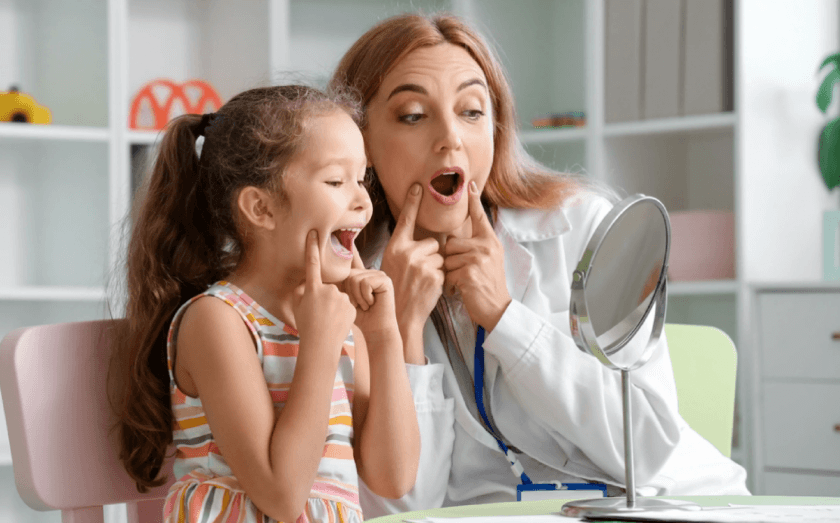
Speech therapy deserves early attention because cerebral palsy can affect far more than gait or hand use. Many children face trouble with sound production, chewing, swallowing, breath support, or language growth during the first years. Those changes often shape behavior, learning, and social participation long before school begins. Focused treatment gives children safer feeding patterns, clearer expression, and steadier ways to connect with parents, teachers, siblings, and peers each day.
Early Signs Families Notice
Communication concerns often appear before a child enters kindergarten. Parents may notice weak babbling, unclear consonants, drooling, strained voice quality, or long pauses before a response. In many cases, developmental delays in children with cerebral palsy include language comprehension, oral motor control, and sound coordination, all of which affect routines at home. Early recognition helps clinicians address problems before frustration becomes a daily pattern.
Why Speech Gets Affected
Cerebral palsy can disrupt muscle timing across the lips, tongue, jaw, soft palate, and chest wall. Poor coordination in those structures may reduce speech precision and weaken vocal intensity. Some children understand language well, yet struggle to translate intent into clear sounds. Others face slower processing speed, which can affect turn-taking, listening, and sentence formation during ordinary exchanges with adults or classmates.
Communication Means More Than Talking
Speech therapy covers far more than spoken words. Treatment may target comprehension, gesture use, play, shared attention, facial expression, and social reciprocity during daily interaction. When verbal output remains limited, therapists can introduce picture systems or communication devices that give the child a dependable way to participate. That support often lowers distress, improves behavior, and helps relationships grow with less guesswork from adults.
Feeding and Breath Matter Too
Many children with cerebral palsy have difficulty chewing, managing saliva, or coordinating swallowing safely. Those same anatomical systems also support voicing, phrasing, resonance, and respiratory control. Therapy may include exercises for lip closure, jaw stability, pacing, and breath timing during speech tasks. Progress in those areas can make meals safer while also improving voice strength and the length of spoken utterances.
Early Therapy Builds Better Timing
Early intervention matters because young children are still establishing motor and language patterns that influence later communication. Repeated practice during this period can strengthen useful habits before inefficient movement becomes more fixed. Therapists also coach caregivers on pacing, prompting, and responsive listening during routines. Small adjustments used often during play, reading, snacks, or dressing can reinforce goals far beyond clinic visits alone.
School Success Depends on Clear Expression
Academic participation depends heavily on communication. Children need language to ask questions, answer teachers, follow directions, explain ideas, and join group activities with confidence. When speech lacks clarity, adults may underestimate what the child understands or knows. Therapy helps close that gap by improving message organization and intelligibility. Better expression gives children a fairer chance to show learning during classroom tasks and peer interaction.
Families Shape Daily Progress
Meaningful progress rarely comes from weekly sessions alone. Children improve faster when families carry practice into meals, bath time, reading, and ordinary conversation at home. Caregivers can model short phrases, pause for responses, and reward attempts without pressure. Repetition across familiar routines helps new patterns settle in. That consistency gives children many chances to use communication for comfort, choice-making, and shared attention.
Therapy Plans Should Fit the Child
No two children with cerebral palsy present the same communication profile. One child may need help with articulation, while another requires language support, feeding treatment, or an alternative communication method. A strong plan begins with a detailed assessment of oral movement, comprehension, respiratory control, and daily demands. Goals should stay functional, measurable, and tied to situations the child actually encounters during family life or school.
Progress Should Be Measured Broadly
Improvement should never be judged by pronunciation alone. Useful markers include calmer mealtimes, quicker responses, longer utterances, stronger eye contact, fewer breakdowns, and better success during play or classroom tasks. Some children gain clearer speech over time. Others make major advances through supported communication systems. In both situations, the central measure is practical: whether the child can share needs, feelings, choices, and ideas more effectively.
Conclusion
Speech therapy matters because communication affects nearly every part of childhood, from feeding and behavior to friendships and school participation. For children living with cerebral palsy, timely support can strengthen safety, confidence, learning, and connection across daily routines. The aim is not perfect speech for appearance alone. The aim is reliable access to expression. When treatment stays early, practical, and individualized, children gain stronger ways to be understood and included.