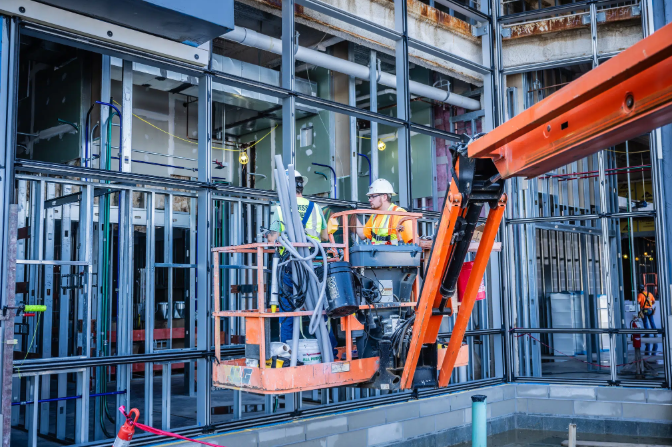
Choosing a commercial construction delivery method is one of the earliest decisions that can shape a project’s budget, schedule, contracts, and day-to-day accountability. Whether an owner is planning a ground-up facility, a renovation, a tenant improvement, or an expansion, understanding the available approaches helps create a more predictable path forward. Owners exploring commercial construction services in Utah should start by matching the delivery structure to the project’s specific risks and operational goals. The right method is not always the one with the lowest initial estimate. A low bid based on incomplete drawings, unclear allowances, or optimistic procurement assumptions can lead to costly changes later. The better choice is usually the approach that gives the owner the right level of price certainty, design control, speed, and professional support. Market conditions make that decision especially important in 2026. Labor availability, tariffs, regional demand, and lead times for electrical equipment, HVAC components, and specialty finishes can all affect final cost and completion dates.
Why The Delivery Method Matters
A delivery method determines who designs the building, who manages construction, when pricing is established, and how project risks are assigned. It also affects communication. In some models, the owner coordinates separate designer and contractor relationships. In others, one integrated team takes greater responsibility for coordination. Construction delivery is not a one-size-fits-all process. The General Services Administration’s construction delivery guidance illustrates the range of planning, design, construction management, and turnover activities required to bring a facility into use. Private commercial owners face many of the same decisions, even on smaller projects.
See also: Regain Control of Your Life With Drug Addiction Treatment
Common Commercial Construction Delivery Methods
Design-Bid-Build
Design-bid-build follows the traditional sequence. The owner hires a design team, prepares drawings and specifications, solicits contractor bids, and awards the construction contract to a selected bidder. This method offers a familiar contract structure and competitive pricing when the scope is well defined. Its limitation is that contractor input usually arrives after design is largely complete, which can extend the overall schedule and expose constructability issues later.
Design-Build
In design-build, the owner works with a single entity responsible for both design and construction. This can improve coordination, allow overlapping design and construction activities, and provide a single point of responsibility. However, the owner should establish clear performance requirements, budget priorities, and design expectations before selecting the team.
Construction Manager At Risk
A construction manager at risk, often called CMAR or CMc, joins during design to provide estimating, scheduling, constructability reviews, and subcontractor input. The manager later builds the project, often under a guaranteed maximum price. This can reduce surprises on complex work, but owners should carefully define contingencies, allowances, exclusions, savings sharing, and the process for design changes.
Construction Manager As Advisor
Under a construction manager-as-advisor, the manager advises the owner but does not become the general contractor. The owner may hold separate contracts with the designer and trade contractors. This approach can work well for experienced owners with strong internal oversight, but it shifts more coordination and decision-making responsibilities to the owner.
Integrated Project Delivery
Integrated project delivery brings the owner, architect, builder, and key trade partners together early through a collaborative agreement. Shared goals, transparent communication, and joint problem-solving can benefit highly complex projects. It also requires trust, disciplined leadership, and detailed agreements covering decision rights, incentives, and risk sharing.
Factors To Review Before Choosing
Before selecting a method, owners should answer several practical questions. How complete is the design? How quickly must the building open? Is the budget fixed or still developing? How much control does the owner want over design decisions? Complex building systems, long-lead materials, specialized trades, occupied spaces, and limited internal construction experience all increase the value of early builder involvement.
Cost, Schedule, And Risk
Cost Certainty
Lump-sum contracts can provide a fixed price upon completion of drawings. Cost-plus contracts offer flexibility but require close oversight. Unit-price contracts are suitable for repeatable or uncertain quantities, while guaranteed maximum price arrangements establish a ceiling subject to stated assumptions. In every case, a price is only meaningful when the scope, allowances, escalation clauses, and exclusions are clear.
Schedule Control
Design-bid-build is largely sequential, while design-build and CMAR can overlap design, procurement, and construction activities. Early trade input may reveal that switchgear, rooftop units, elevators, or custom materials need to be released before final drawings are complete. Owners should distinguish between a preferred completion date and enforceable contract milestones.
Risk Allocation
Each method distributes design, price, schedule, site conditions, and coordination risk differently. Create a written risk matrix before signing contracts. Risk should generally rest with the party best able to identify, manage, and control it, rather than being shifted to the party with the least leverage.
The Role Of Early Planning
Preconstruction turns broad goals into a workable plan. Site reviews, conceptual budgets, constructability checks, preliminary schedules, permitting research, zoning verification, utility coordination, and supplier input can expose issues before they become change orders. Early subcontractor involvement is particularly useful when labor capacity or specialized equipment could affect the schedule. For example, a tenant improvement project may appear ready to bid until an early electrical review finds that the existing panel lacks capacity for new kitchen equipment and upgraded HVAC. Identifying that limit before construction allows the team to evaluate a service upgrade, revised equipment, or a phased plan before crews are mobilized.
Common Mistakes To Avoid
Avoid choosing solely on the lowest early price, starting work before major design questions are resolved, relying on vague allowances, ignoring lead times, or leaving responsibility for design errors unclear. Owners should also avoid assuming that the same model works for every project. A simple retail refresh and a complex occupied medical renovation carry very different coordination risks.
Final Decision Checklist
- Is the scope sufficiently clear for the selected pricing method?
- Is the budget realistic for current market conditions?
- Does the schedule include permitting, procurement, inspections, and commissioning?
- Are the right design and construction professionals involved early?
- Are risks assigned fairly and practically?
- Can the owner manage multiple contracts if needed?
- Are communication, change-order, and dispute procedures clearly written?
Conclusion
The best commercial construction delivery method depends on design status, schedule pressure, budget certainty, project complexity, and the owner’s ability to manage risk. A thoughtful comparison before contracts are signed can improve communication, reduce avoidable changes, and create more reliable project outcomes. In 2026, early planning and clear agreements remain essential for keeping commercial projects moving forward. Selecting the right delivery approach also helps define responsibilities, improve coordination among teams, and establish realistic expectations from the beginning. Factors such as contractor involvement, project timeline, cost control requirements, and quality goals should all be carefully evaluated before making a decision. With proper planning and collaboration between owners, designers, and builders, commercial projects can achieve greater efficiency, fewer delays, and stronger overall results. A well-chosen construction delivery method provides a solid foundation for successful project execution and long-term value.