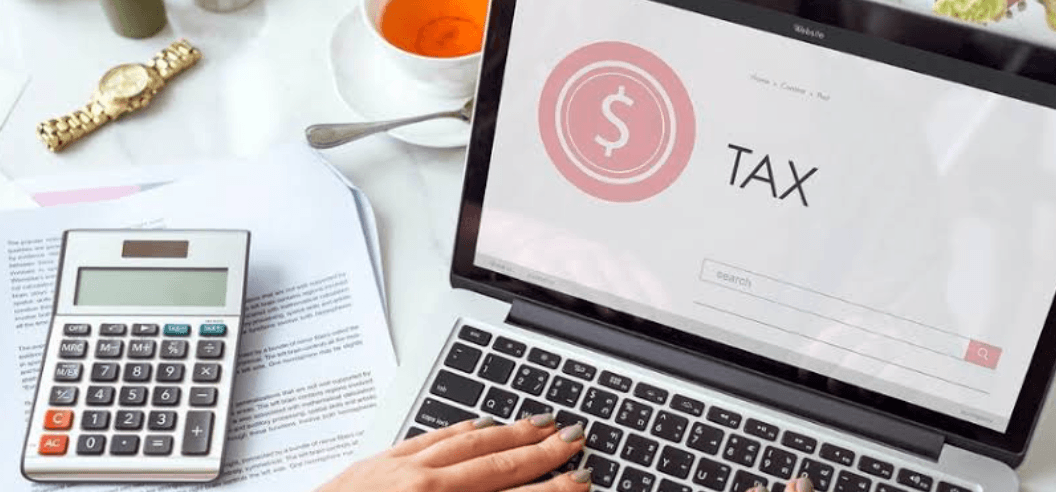
You might be feeling the pressure already. Maybe your income changed, you sold an investment, started freelance work, or just realized your refund never seems to match what you expected. Before tax planning, it can feel like you are reacting to deadlines, forms, and surprises. After a sound plan is in place, the picture usually gets clearer. You know what to set aside, what choices may lower your tax bill, and what to watch before year end. That is the short version. How CPAs create tailored tax strategies for individuals comes down to turning your real life, not a generic checklist, into a tax plan that fits, especially when working with a CPA in East Brunswick.
That matters because taxes are rarely just about taxes. They touch your paycheck, retirement, family support, side income, and peace of mind. When the rules shift or your life changes, it is easy to feel behind. So, where does that leave you? Usually at the point where you need more than tax filing. You need a strategy.
Why does a personal tax strategy matter when your finances keep changing?
A return only reports what already happened. A strategy looks ahead. That difference is where a Certified Public Accountant can help. Instead of treating every client the same, a CPA often starts with questions about income sources, filing status, dependents, withholding, estimated payments, retirement goals, and major life events. Did you get married, divorced, inherit money, exercise stock options, or start a business on the side? Each answer can change your tax path.
Without planning, small issues can build into expensive ones. A worker with two jobs may have too little withheld. A freelancer may forget quarterly estimates. A retiree may trigger more tax than expected from account withdrawals. Someone with children may miss credits because of income phaseouts or custody details. None of these situations are rare, and that is exactly why a one size fits all approach often falls short.
This is where individual tax planning becomes useful. A CPA looks at timing, not just totals. You may be able to shift income, increase retirement contributions, review charitable giving, or adjust withholding before the year closes. The IRS even offers a helpful Tax Withholding Estimator so you can see whether your current paycheck setup is likely to leave you short or overwithheld.
How do CPAs build customized tax planning for real life, not just tax season?
Most tailored plans begin with pattern spotting. A CPA reviews where your money comes from, how stable it is, and which tax rules apply to each stream. Wages are taxed differently from self employment income. Capital gains behave differently from ordinary income. Rental activity, retirement withdrawals, and education expenses each bring their own questions.
Because of this, the work often becomes part math and part decision making. If your income rises late in the year, should you increase withholding or make estimated payments? If you are self employed, are you tracking deductible expenses well enough to support them if questioned? If you are supporting aging parents or adult children, are there credits or filing issues to review? These are not abstract problems. They shape cash flow month by month.
A strong CPA also pays attention to compliance. Strategy is not about pushing limits for the sake of it. It is about using the rules as they are written and documenting choices well. For people who need help understanding estimated taxes and withholding rules, IRS Publication 505 lays out the basics in plain detail.
Should you handle taxes alone or work with a CPA for tax strategy?
Plenty of people can file a basic return on their own. The question is whether filing is enough for your situation. If your finances are simple, software may be fine. If your life has layers, planning often matters more than preparation alone. personalized tax planning is often most helpful when your income is uneven, your assets are growing, or your decisions this year will affect next year.
| Situation | DIY Tax Approach | Working With a CPA |
| Single W 2 job, no major changes | Usually manageable with software and basic withholding checks | Helpful if you want proactive refund and withholding planning |
| Freelance or side business income | Easy to miss estimated payments, deductions, and recordkeeping issues | Can help with quarterly tax planning, expense tracking, and cash flow |
| Investments, rentals, or stock compensation | Rules can be confusing and timing mistakes can cost money | Can model tax impact before sales, withdrawals, or exercises |
| Major life events like marriage, divorce, or a new child | Credits, filing status, and withholding may be overlooked | Can align tax choices with your new household reality |
And if you are already dealing with a delay, notice, or filing problem, support is available. The Taxpayer Advocate Service guidance on getting assistance during filing season can point you toward help when the process feels stuck.
See also: Common Corporate Tax Mistakes Small Businesses Make
What can you do right now to start building a better tax plan?
1. Review your income picture. List every source of income, not just your main paycheck. Include freelance work, investment sales, retirement distributions, rental income, and bonuses. A clear list helps you see why a generic tax estimate may be off.
2. Check withholding and estimated payments. If you owed more than expected last year, do not wait until filing season again. Compare your current withholding to your likely income now, especially if your job, household, or deductions changed.
3. Gather decisions before they become problems. If you are thinking about selling stock, taking a large withdrawal, making a big gift, or changing business structure, pause and run the tax impact first. This is where a CPA and general tax strategy work can save more than last minute cleanup ever will.
What does all of this mean for you going forward?
You do not need to know every tax rule to make better tax decisions. You just need a process that matches your life as it is now. The right plan can reduce surprises, improve cash flow, and help you make choices with more confidence. When taxes stop being a once a year scramble, they become one part of a steadier financial plan.
If your situation has changed or your current approach feels reactive, now is a good time to speak with a Certified Public Accountant and build a strategy that fits you.