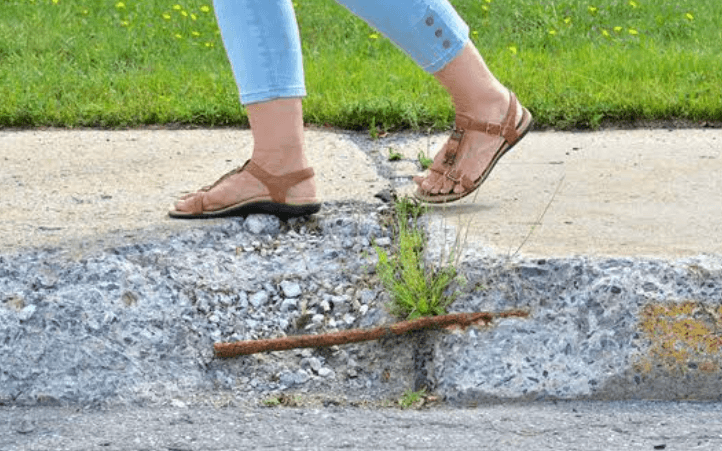
Premises liability law protects people injured in unsafe conditions on land, in businesses, inside homes, or at managed sites. The core question is practical: who controlled the area, what danger existed, and whether reasonable care was used before harm occurred. Falls, poor lighting, broken stairs, loose flooring, animal attacks, and negligent security can all fall under this category of injury. Protection depends on why someone entered the area and what the responsible party knew about the safety of that area.
Visitors With Permission
A permitted visitor may be injured because a property hazard was left uncorrected or poorly marked. Lawyers such as John Foy often examine the reason for entry, the period for which a defect was present, and the clarity of any warning. This review helps connect control of the premises with a preventable risk that threatens people’s safety.
Customers and Clients
Customers usually receive strong protection because businesses invite them and earn economic benefits. Stores, clinics, hotels, restaurants, and offices must inspect guest areas with care. Wet floors, torn mats, unstable shelves, and blocked aisles can create serious injury risks. If staff knew about the danger or it is reasonable to believe they should have found out about it through routine due diligence, an injured customer may be able to pursue losses. Such losses may include treatment expenses, missed income, and compensation for pain.
Social Guests
Social guests are often classified as licensees. They enter for personal reasons, such as dinner, family visits, or time with neighbors. Homeowners must warn about hidden dangers they know about, but guests cannot easily see. A weak railing, an uncovered hole, or an aggressive dog may prove liability when the visitor lacks a fair chance to stay safe.
Workers on Property
Delivery drivers, repair crews, cleaners, utility employees, and contractors face hazards while doing assigned work. Their rights depend on job duties, site control, and prior notice of danger. A worker may have a premises claim, a workers’ compensation claim, or both. Unsafe stairs, exposed wiring, falling materials, and loading dock defects often require a close review to ascertain shared responsibility.
Children
Children receive added protection because they may miss dangers that adults would recognize. Swimming pools, abandoned appliances, open trenches, and construction equipment can draw them in. Owners may need fences, locks, covers, alarms, or visible warnings when child access is likely. Courts often ask whether injury was foreseeable and whether simple precautions could have reduced the chance of harm.
See also: Common Corporate Tax Mistakes Small Businesses Make
Tenants and Renters
Tenants may be protected when landlords fail to maintain shared spaces or fix reported defects. Apartment stairwells, parking areas, elevators, hallways, and laundry rooms often remain under landlord control. Broken lights, loose handrails, damaged flooring, or leaks can support a claim. Lease terms, repair requests, inspection notes, and prior complaints may identify who had the duty to act.
People Using Public Spaces
Premises liability can apply in parks, schools, sidewalks, public buildings, and transit areas. Claims involving government entities often have shorter notice periods. Injured people may need prompt action to preserve rights. Uneven pavement, damaged playground equipment, poor crowd management, and ignored maintenance can form the basis of a case when preventable danger caused harm.
Trespassers
Trespassers receive limited protection, but owners generally cannot set traps or act with reckless disregard. The law may still protect someone from intentional harm. Children are treated differently when an attractive hazard draws them onto land. Each case depends on age, access, warnings, visibility, and whether the danger was hidden from ordinary view.
What Owners Must Do
Owners and managers must use reasonable care. This duty often includes inspections, repairs, warnings, staff training, and security measures where risk is foreseeable. The law does not demand perfection. It asks whether a careful person would have acted sooner. Rain mats, lighting, handrails, patrols, and repair logs can show whether proper care was taken.
What Injured People Must Show
An injured person usually must prove a hazard existed, the owner had notice, and the condition caused harm. Notice may be actual or constructive. Actual notice means someone knew about the problem. Constructive notice means the defect lasted long enough that careful inspection should have found it. Photos, incident reports, witnesses, medical records, and video footage may help.
Comparative Fault
Property owners may argue that the injured person failed to watch, ignored signs, or entered a restricted area. Comparative fault rules can reduce recovery if shared blame is established. Clear evidence matters because responsibility is often disputed. Footwear, lighting, weather, warning placement, sight lines, and surface texture may affect how the fault is divided.
Common Losses
Premises injuries can cause fractures, concussions, spinal strain, torn ligaments, nerve symptoms, or chronic joint pain. Some people need emergency care, surgery, therapy, medication, mobility devices, or time away from work. Damages may include medical bills, future treatment, lost wages, reduced earning ability, pain, and loss of daily function. Records should link each loss to the unsafe condition.
Conclusion
Premises liability law protects many people, but rights depend on visitor status, control, notice, and preventable danger. Customers, guests, workers, tenants, children, public visitors, and some trespassers may have claims after injury. Strong cases rely on timely proof, accurate records, and careful review of fault. When a hazard causes harm, the law asks whether reasonable care could have protected the community.